

Ultimate Guide to Selecting and Using Stainless Steel Pipe for Oil and Gas Applications
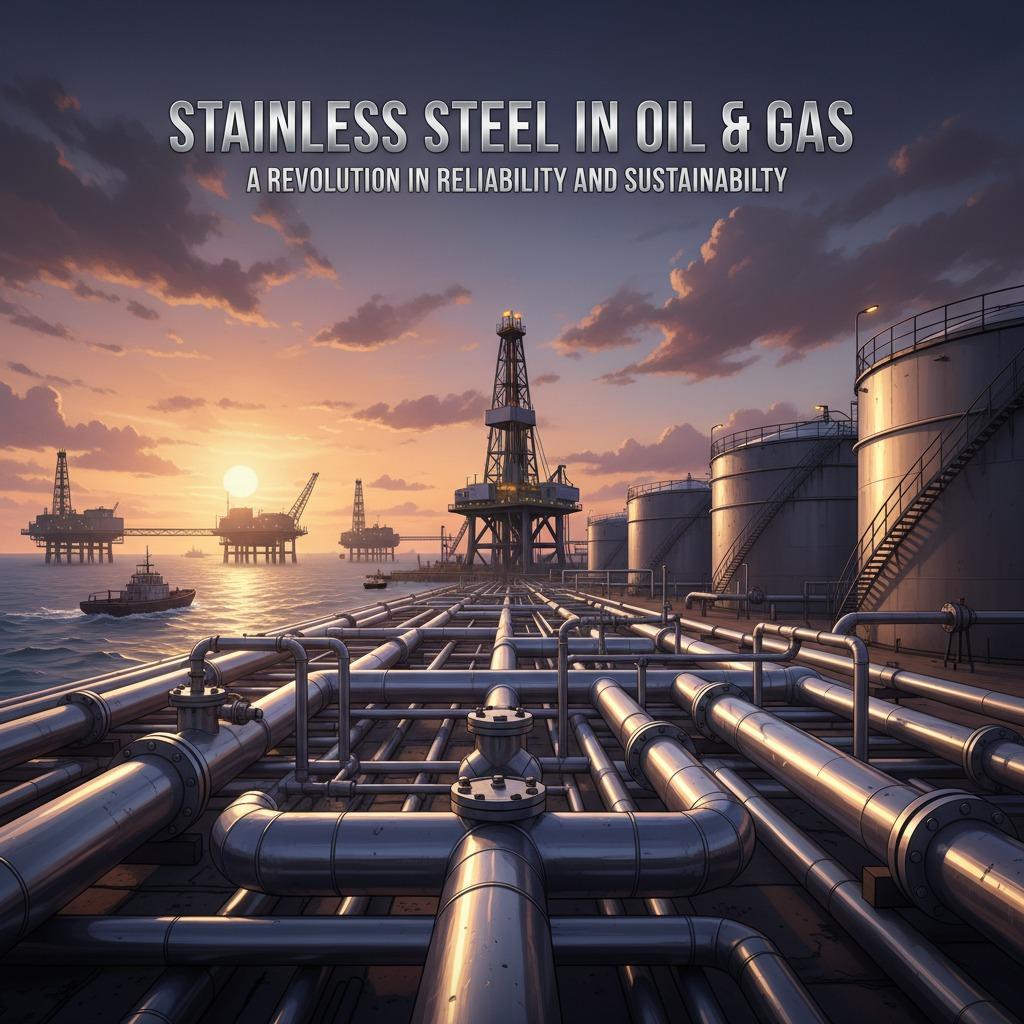
In the demanding world of industrial infrastructure, stainless steel pipe stands out as a reliable choice for transporting fluids and gases under high pressure and corrosive environments. If you're involved in oil and gas projects, understanding how to choose and implement stainless steel pipe for oil and gas operations can significantly enhance efficiency and safety. This guide walks you through the essentials, from material selection to installation best practices, ensuring your pipelines perform optimally.
Understanding the Basics of Stainless Steel Pipe
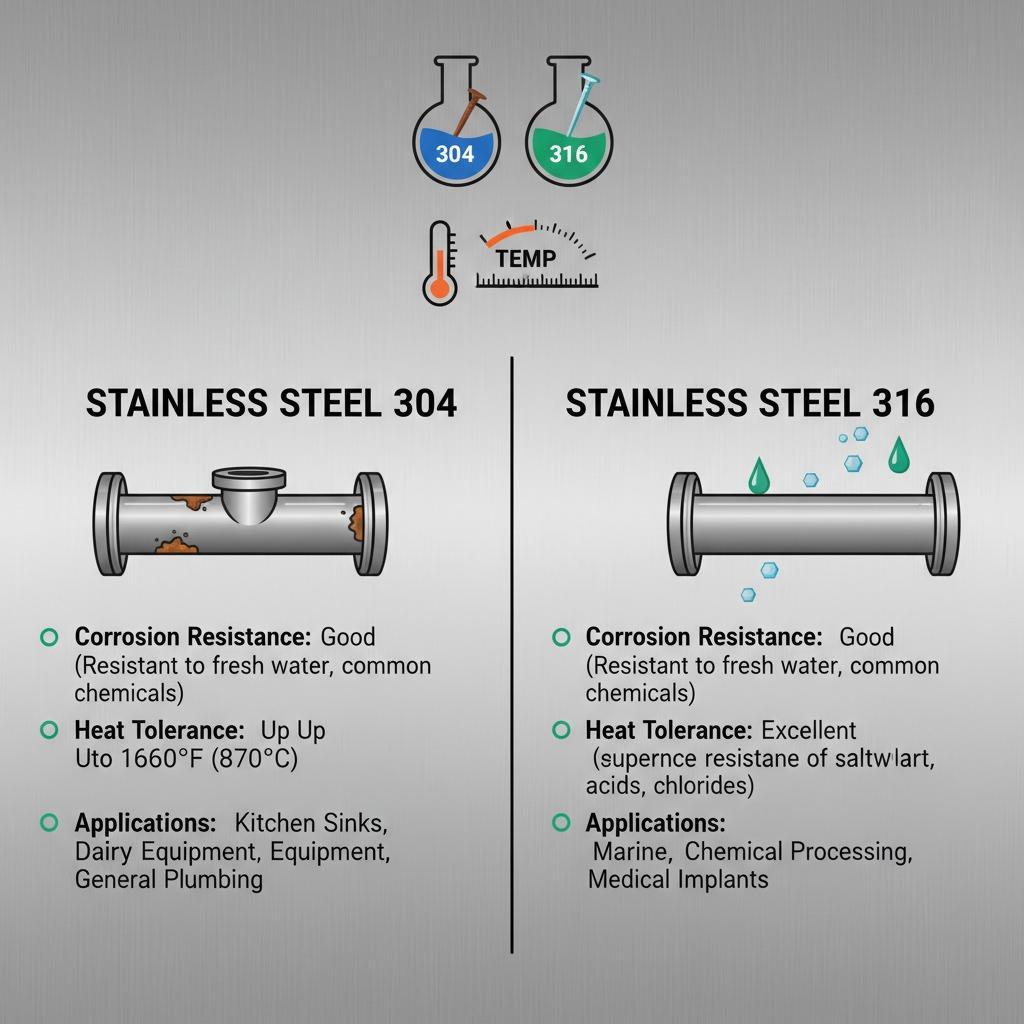
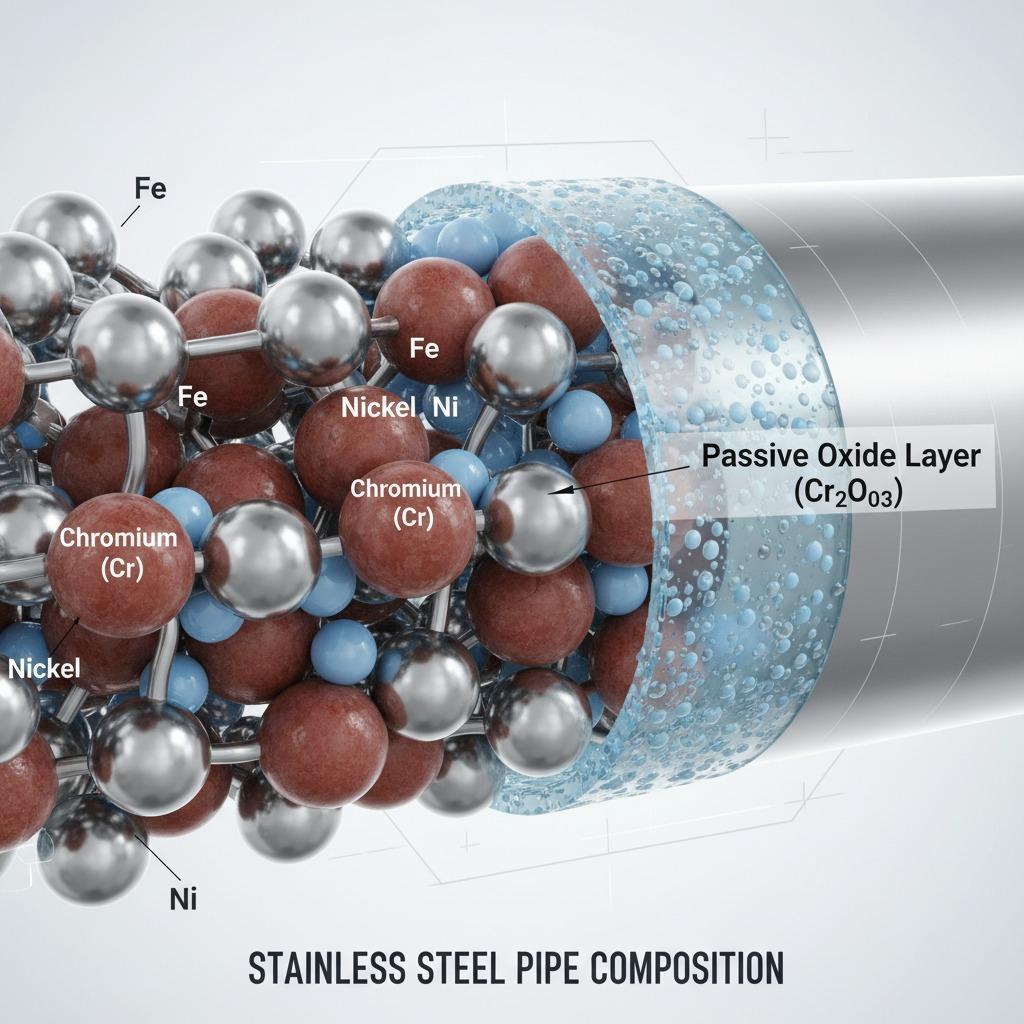
Stainless steel pipe is engineered from alloys rich in chromium and nickel, providing exceptional resistance to rust and degradation. Unlike traditional carbon steel options, it forms a passive oxide layer that protects against oxidation, making it ideal for harsh conditions. When considering stainless steel pipe for oil and gas, focus on grades like 304 or 316, which offer superior corrosion resistance due to their molybdenum content. These grades are commonly used in pipelines carrying crude oil, natural gas, or refined products, where exposure to sulfur compounds and varying temperatures is routine.
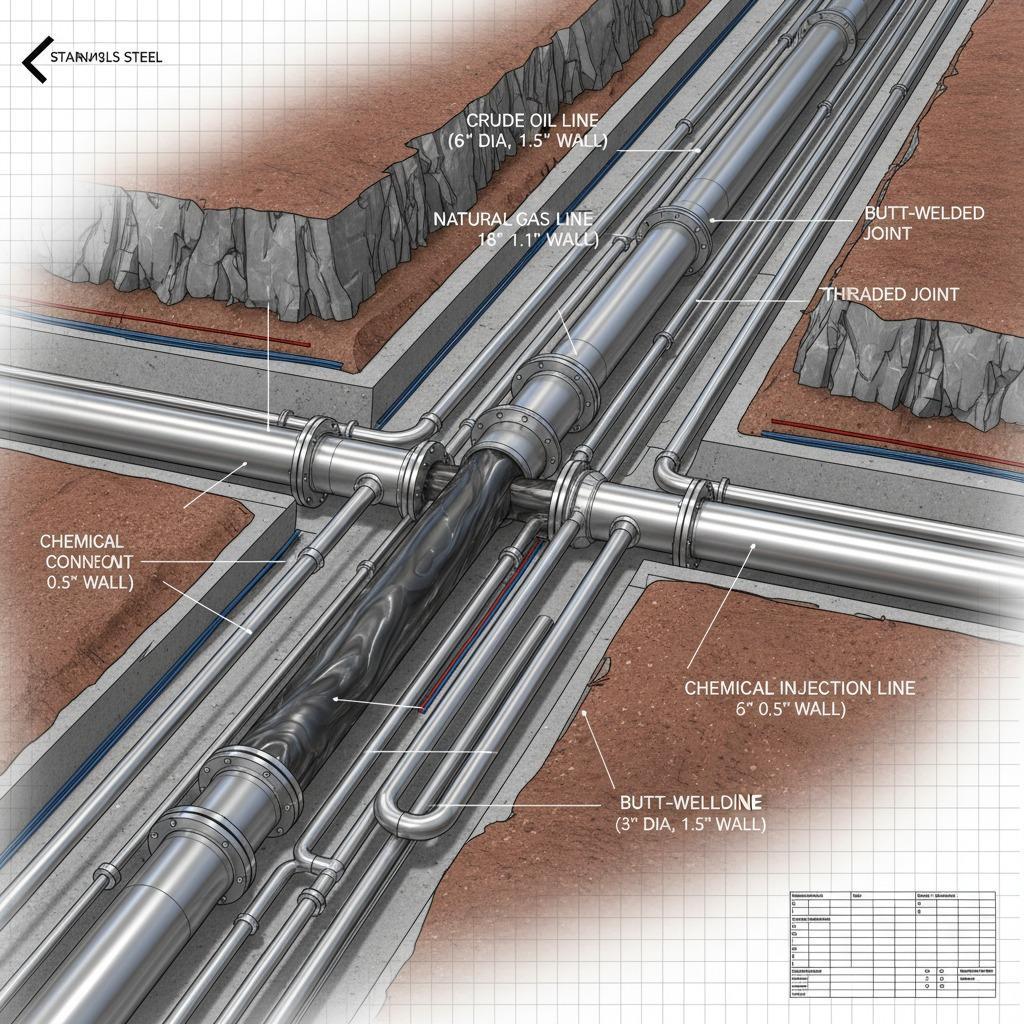
To select the right stainless steel pipe for oil and gas applications, evaluate factors such as diameter, wall thickness, and length. Standard sizes range from 1/2 inch to over 24 inches, allowing customization for both small transfer lines and large gathering systems. The seamless construction of many stainless steel pipes eliminates weak points from welding, reducing the risk of leaks in high-pressure environments typical of oil and gas extraction sites. Always verify compliance with standards like API 5L or ASTM A312 to ensure the pipe meets industry regulations.
Key Benefits of Stainless Steel Pipe for Oil and Gas
One of the primary advantages of using stainless steel pipe for oil and gas is its durability in extreme conditions. In offshore platforms or underground pipelines, these pipes withstand temperatures from -50°F to 500°F and pressures up to 10,000 psi without compromising integrity. This resilience minimizes downtime and maintenance costs, which is crucial for operations where every hour counts.
Efficiency is another hallmark. The smooth interior of stainless steel pipe for oil and gas reduces turbulence and friction, improving flow rates and lowering pumping energy requirements. For instance, in natural gas transmission, this can translate to substantial savings in operational expenses over the pipeline's lifespan, often exceeding 30 years. Additionally, stainless steel's non-reactive nature prevents contamination of transported hydrocarbons, ensuring product purity from wellhead to refinery.
Environmental and safety benefits cannot be overlooked. Stainless steel pipe for oil and gas is recyclable, supporting sustainable practices in the energy sector. Its strength-to-weight ratio allows for lighter designs in subsea installations, reducing the carbon footprint of construction. Moreover, in the event of potential failures, the material's predictability under stress enhances safety protocols, protecting workers and ecosystems.
Step-by-Step Selection Process for Your Project
Begin by assessing your specific needs in oil and gas conveyance. Determine the fluid type—whether it's corrosive sour gas or high-viscosity crude oil—and match it to the appropriate stainless steel grade. For highly acidic environments, opt for duplex stainless steels like 2205, which provide even greater pitting resistance. Consult with suppliers to review material certificates and test data, ensuring the stainless steel pipe for oil and gas has undergone hydrostatic testing and non-destructive examinations.
Next, calculate the required specifications. Use engineering software or formulas to determine pipe schedule (wall thickness) based on operating pressure and external loads, such as soil burial or wave action in marine settings. For oil and gas pipelines spanning long distances, consider welded versus seamless options; welded pipes are cost-effective for straight runs, while seamless ones suit bends and fittings.
Factor in compatibility with ancillary components. Ensure flanges, valves, and coatings align with the stainless steel pipe for oil and gas to avoid galvanic corrosion. If your project involves sour service, adhere to NACE MR0175 standards to mitigate sulfide stress cracking. Budgeting wisely, compare costs not just upfront but over the lifecycle, as stainless steel's longevity often offsets initial investments.
Installation and Maintenance Best Practices
Proper installation is key to maximizing the performance of stainless steel pipe for oil and gas. Start with site preparation: clean the trench or support structure to prevent contamination during laying. Use cranes or pipe-handling equipment to avoid dents or scratches on the pipe surface, which could compromise the protective layer.
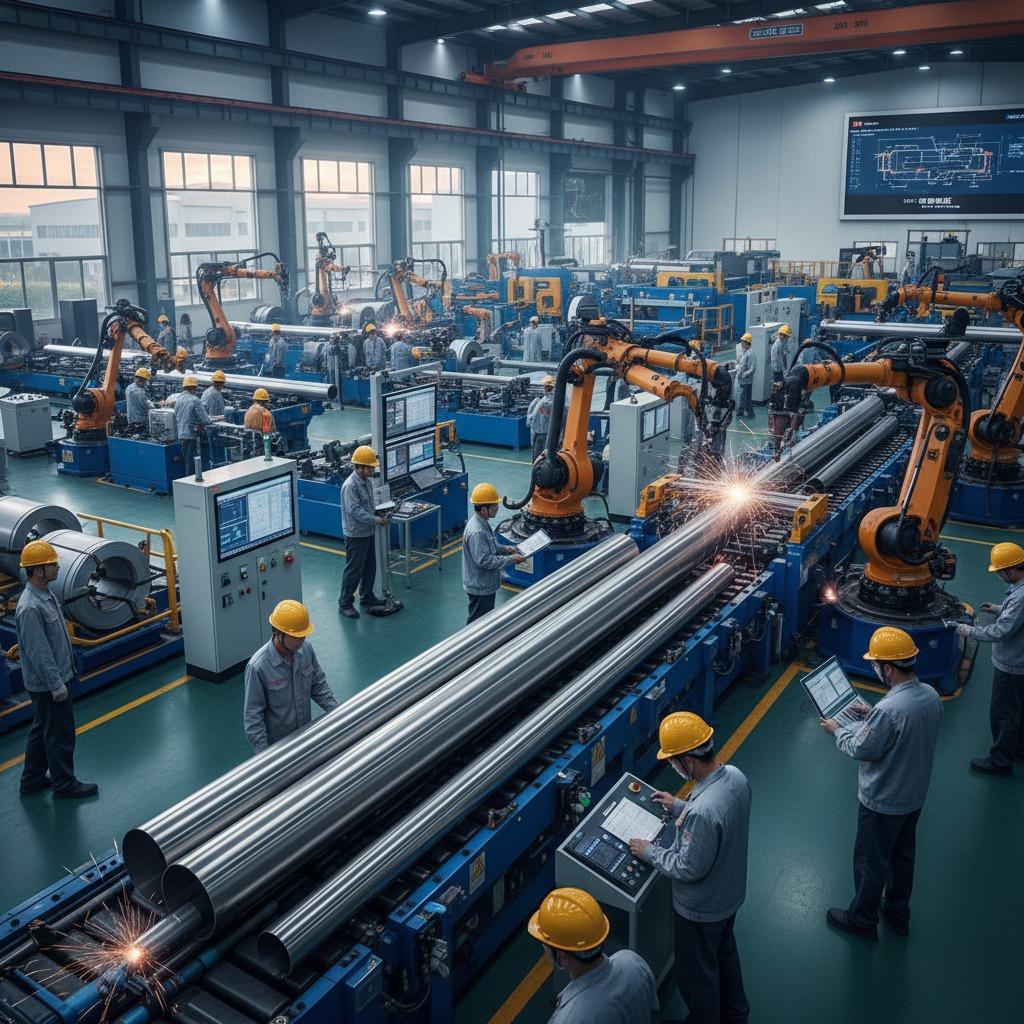
During assembly, employ precise welding techniques like TIG (Tungsten Inert Gas) for stainless steel to maintain corrosion resistance in the heat-affected zones. Post-weld, perform inspections using ultrasonic or radiographic methods to detect flaws. For underground installations, apply external coatings such as fusion-bonded epoxy to shield against soil electrolytes, extending the service life of stainless steel pipe for oil and gas.
Maintenance routines should include regular cathodic protection monitoring and periodic inspections via smart pigging tools. In oil and gas operations, where flow assurance is critical, clean interiors with chemical treatments to prevent scale buildup. By following these steps, you can ensure your pipelines remain operational, reducing the risk of costly repairs or environmental incidents.
Advanced Applications and Innovations
Beyond basic transport, stainless steel pipe for oil and gas enables innovative solutions like subsea tiebacks and enhanced oil recovery systems. In hydraulic fracturing operations, high-strength variants handle the intense pressures of fracking fluids, supporting the extraction of unconventional reserves. Emerging trends include the use of smart sensors embedded in pipes for real-time monitoring of integrity and flow, integrating with IoT platforms for predictive maintenance.
For refineries, stainless steel pipe facilitates the handling of processed streams, from distillation units to storage tanks. Its thermal conductivity aids in heat exchangers, optimizing energy recovery processes. As the industry shifts toward cleaner fuels, these pipes are adapting to hydrogen transport, with specialized alloys resisting embrittlement.
Choosing a reputable supplier ensures access to these advancements. Look for providers offering customized solutions, such as pre-fabricated spools for faster deployment. By integrating stainless steel pipe for oil and gas into your projects, you position your operations for long-term success, reliability, and compliance with evolving regulations.
In summary, mastering the use of stainless steel pipe for oil and gas through informed selection, expert installation, and diligent maintenance unlocks unparalleled performance in the energy sector. This guide equips you with the knowledge to make strategic decisions, driving efficiency and safety in your endeavors.