

How to Import Stainless Steel Pipe from China to Turkey

Importing stainless steel pipe from China to Turkey can be a strategic move for businesses seeking high-quality materials at competitive prices. Whether you're in construction, manufacturing, or plumbing, understanding how to import stainless steel pipe efficiently ensures you get durable, corrosion-resistant products that meet your project's needs. This guide walks you through the step-by-step process, from sourcing suppliers to navigating customs, helping you avoid common pitfalls and optimize your supply chain.
Researching and Selecting Reliable Suppliers in China
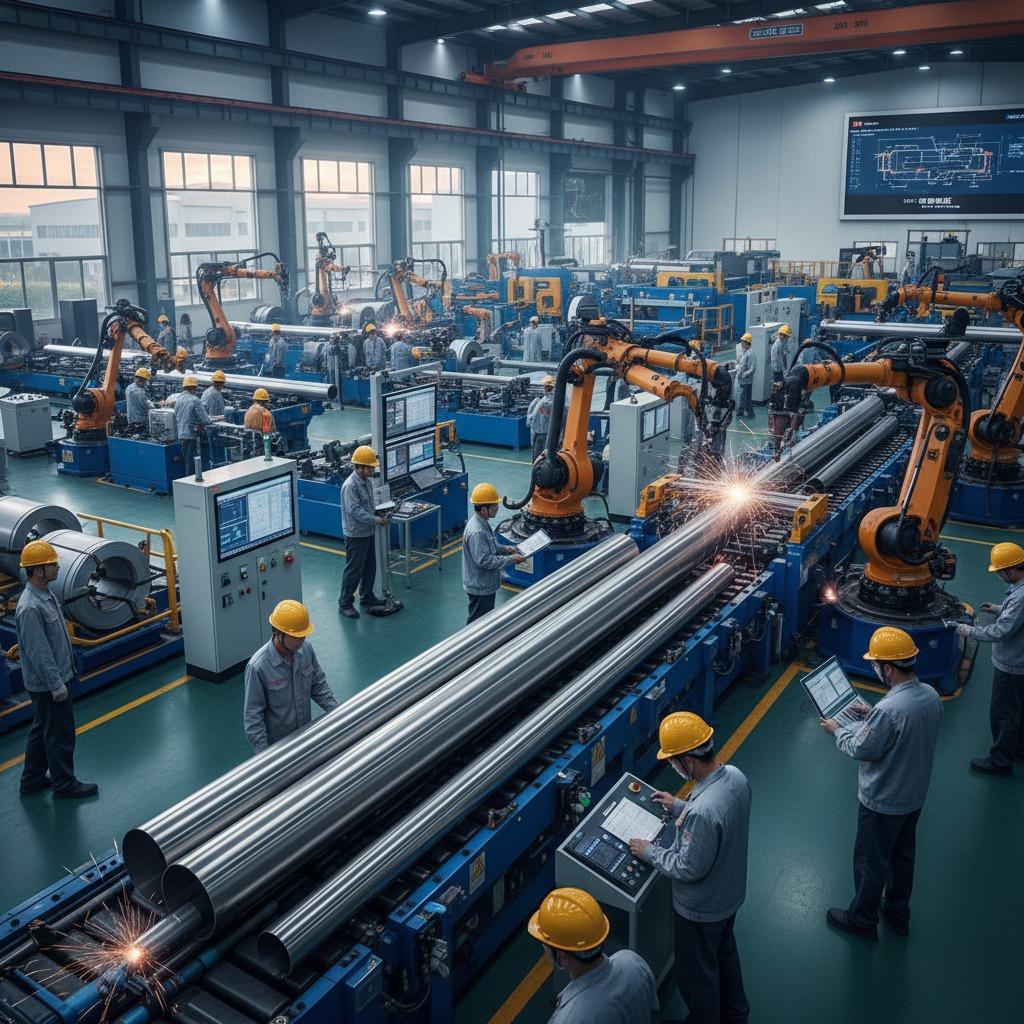
The first step in how to import stainless steel pipe from China to Turkey is identifying trustworthy suppliers. China dominates the global stainless steel market, producing pipes known for their seamless design, exceptional durability, and polished finish ideal for industrial and architectural uses. Start by using platforms like Alibaba, Made-in-China, or Global Sources to search for manufacturers specializing in stainless steel tubing. Look for suppliers with certifications such as ISO 9001, which guarantees quality standards, and those offering pipes in various dimensions to match your requirements.
Verify supplier credibility by checking reviews, requesting samples, and conducting video calls. It's crucial to specify your needs, like corrosion resistance for plumbing or structural integrity for construction projects. Negotiate terms early, including pricing, minimum order quantities, and delivery timelines. For importing from China to Turkey, prioritize suppliers experienced in exporting to the Middle East and Europe, as they understand international standards like ASTM or EN specifications that align with Turkish regulations. This research phase might take a few weeks but saves significant costs and headaches later.
Understanding Product Specifications and Compliance
Once you've shortlisted suppliers, dive into product details for your stainless steel pipe import. These pipes boast a reflective surface and versatile strength, making them perfect for modern demands in Turkey's growing infrastructure sector. Ensure the pipes meet Turkish standards, such as those set by the Turkish Standards Institution (TSE), and comply with EU directives if your business deals with regional trade.
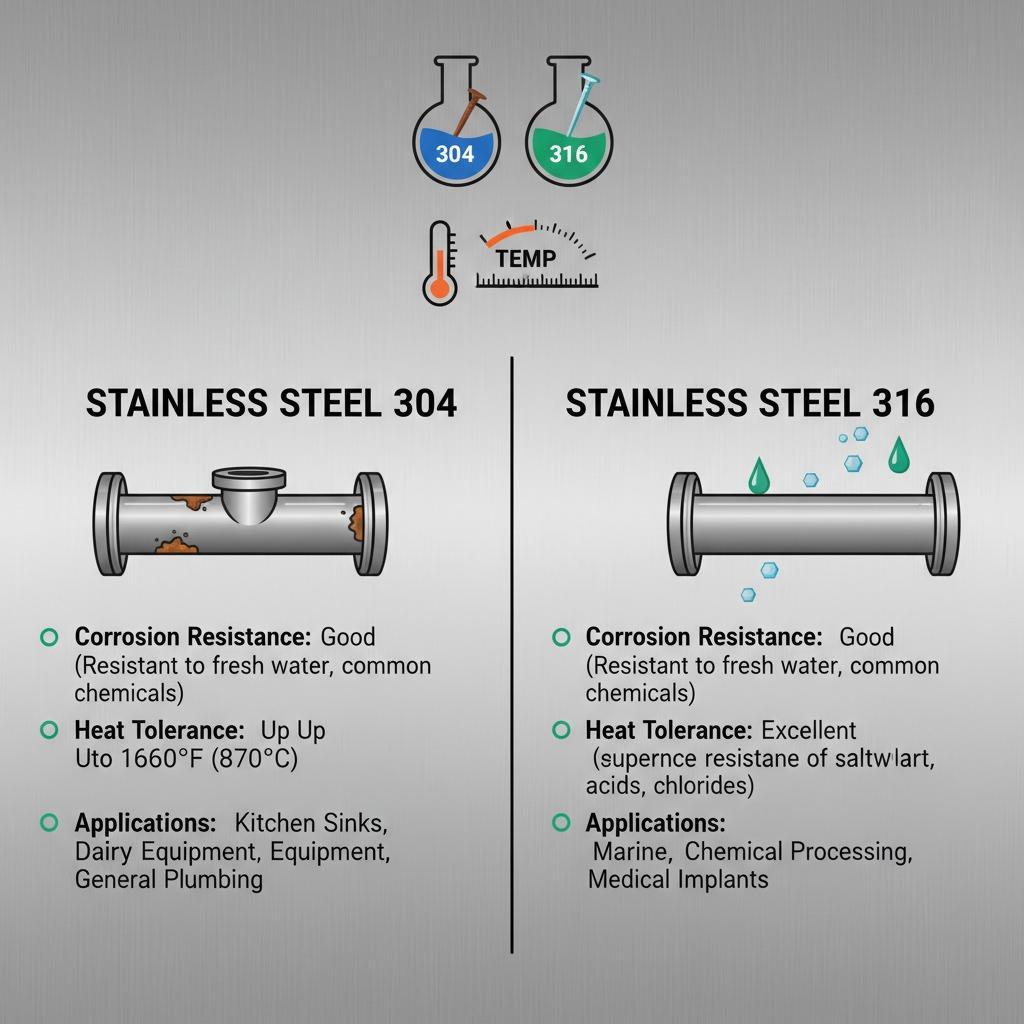
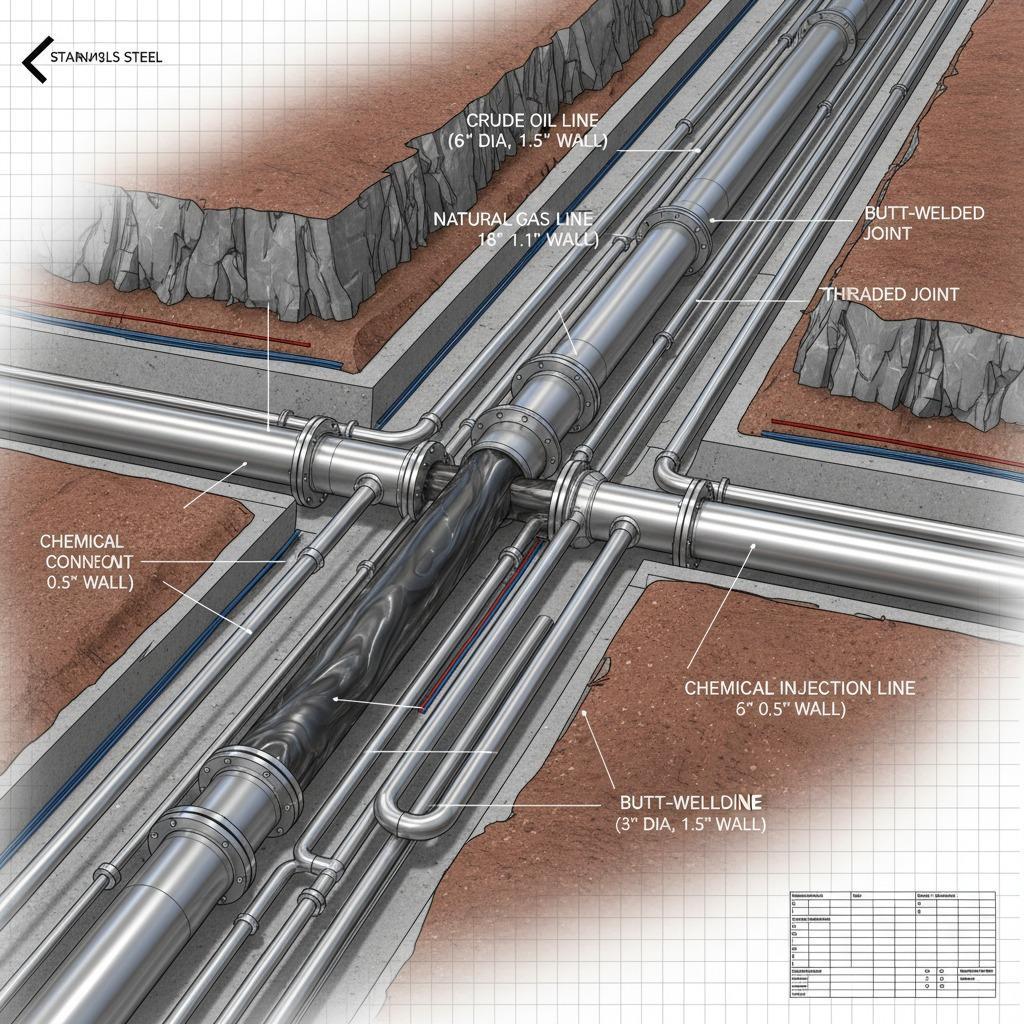
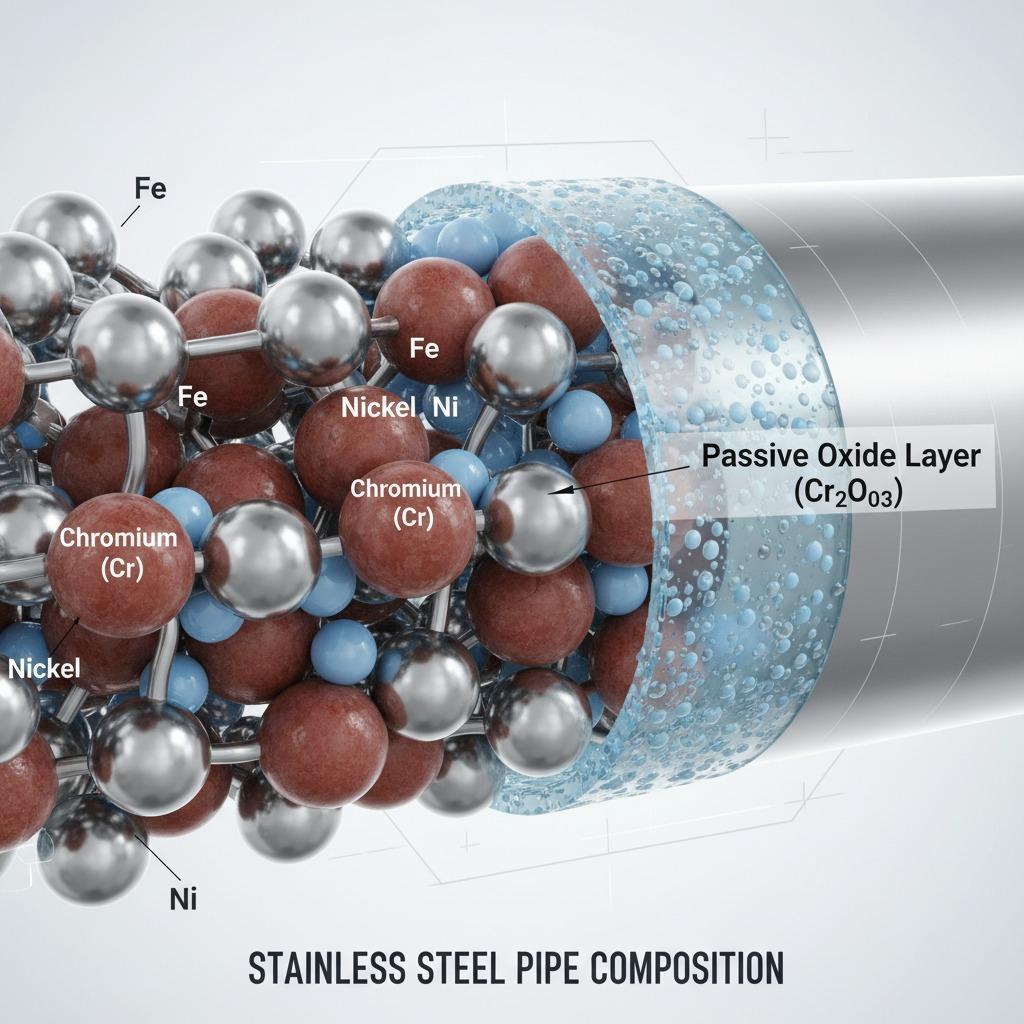
Key specifications include grade (e.g., 304 or 316 for better corrosion resistance), diameter, wall thickness, and length. For how to import stainless steel pipe effectively, request detailed technical data sheets and material test reports (MTRs) from suppliers. This verifies the pipes' quality and suitability for applications like piping systems or decorative elements. Factor in packaging—pipes should be bundled securely to withstand sea freight from ports like Shanghai to Istanbul or Izmir. Budget for quality checks; hiring a third-party inspector in China, such as SGS, costs around $300-500 per inspection but ensures no defects upon arrival in Turkey.
Navigating Legal and Documentation Requirements
Importing from China to Turkey involves strict regulations, so mastering the paperwork is essential in how to import stainless steel pipe. Obtain an import license from the Turkish Ministry of Trade if your business is new to imports. You'll need a Certificate of Origin from the Chinese supplier to qualify for preferential tariffs under the China-Turkey trade agreement, potentially reducing duties from 5-10% to lower rates.
Prepare essential documents: commercial invoice, packing list, bill of lading, and insurance certificate. For stainless steel products, include a fumigation certificate if required, though metal pipes usually exempt from this. Comply with Turkey's anti-dumping rules on steel imports—check the latest quotas via the Ministry of Trade website to avoid penalties. Engage a freight forwarder experienced in China-Turkey routes; they handle customs declarations and ensure HS code 7304 (for seamless stainless steel pipes) is correctly applied. This step streamlines clearance at Turkish ports, typically taking 3-7 days.
Arranging Logistics and Shipping
Logistics form the backbone of how to import stainless steel pipe from China to Turkey. Opt for sea freight for bulk orders, as it's cost-effective—expect $1,500-3,000 for a 20-foot container from Ningbo to Mersin, depending on volume. Air freight suits urgent small batches but costs 5-10 times more. Choose full container load (FCL) for security, protecting your investment in high-performance pipes.
Select a reliable shipping line like Maersk or COSCO, and track your shipment via online portals. From China, transit time is 20-30 days via the Suez Canal route. Insure your cargo for 110% of value against damage or loss—stainless steel's value makes this non-negotiable. Coordinate with your forwarder for door-to-door service, including inland transport to your Turkish warehouse. Monitor for delays due to weather or port congestion, and build buffer time into your schedule.
Handling Customs Clearance and Payment
Upon arrival in Turkey, customs clearance is the final hurdle in how to import stainless steel pipe. Submit all documents to Turkish Customs (Gümrük) through the BİLGE system. Pay applicable duties, VAT (18% on imports), and any anti-dumping fees—total costs can add 20-30% to your invoice value. Use letters of credit (LC) for payments to suppliers, ensuring security for both parties; this is standard for large stainless steel pipe orders from China.
Hire a local customs broker in Turkey for expertise—they charge $100-200 but expedite processing. Inspect goods upon release to confirm they match specifications; discrepancies can lead to returns or fines. Once cleared, arrange transport to your site, where the pipes' elegant finish and robustness will shine in your projects.
Managing Costs and Risks for Successful Imports
To make how to import stainless steel pipe from China to Turkey profitable, calculate total landed costs: product price (often $2,000-5,000 per ton), freight, duties, and insurance. Negotiate bulk discounts—Chinese suppliers frequently offer 10-20% off for repeat orders. Mitigate risks like currency fluctuations (use USD for stability) and geopolitical issues affecting trade routes.
Build long-term relationships with suppliers for better pricing and priority service. Stay updated on trade policies via Turkey's Exporters' Assembly (TIM) or Chinese embassy resources. By following this guide, you'll secure premium stainless steel pipes that enhance your operations with their unmatched quality and versatility, positioning your business for growth in Turkey's dynamic market.
This comprehensive approach ensures smooth imports, leveraging China's manufacturing prowess to meet Turkey's industrial needs efficiently.