

Detailed explanation of the stainless steel sheet production process: a complete guide from raw materials to finished products
Basic concepts of stainless steel sheets
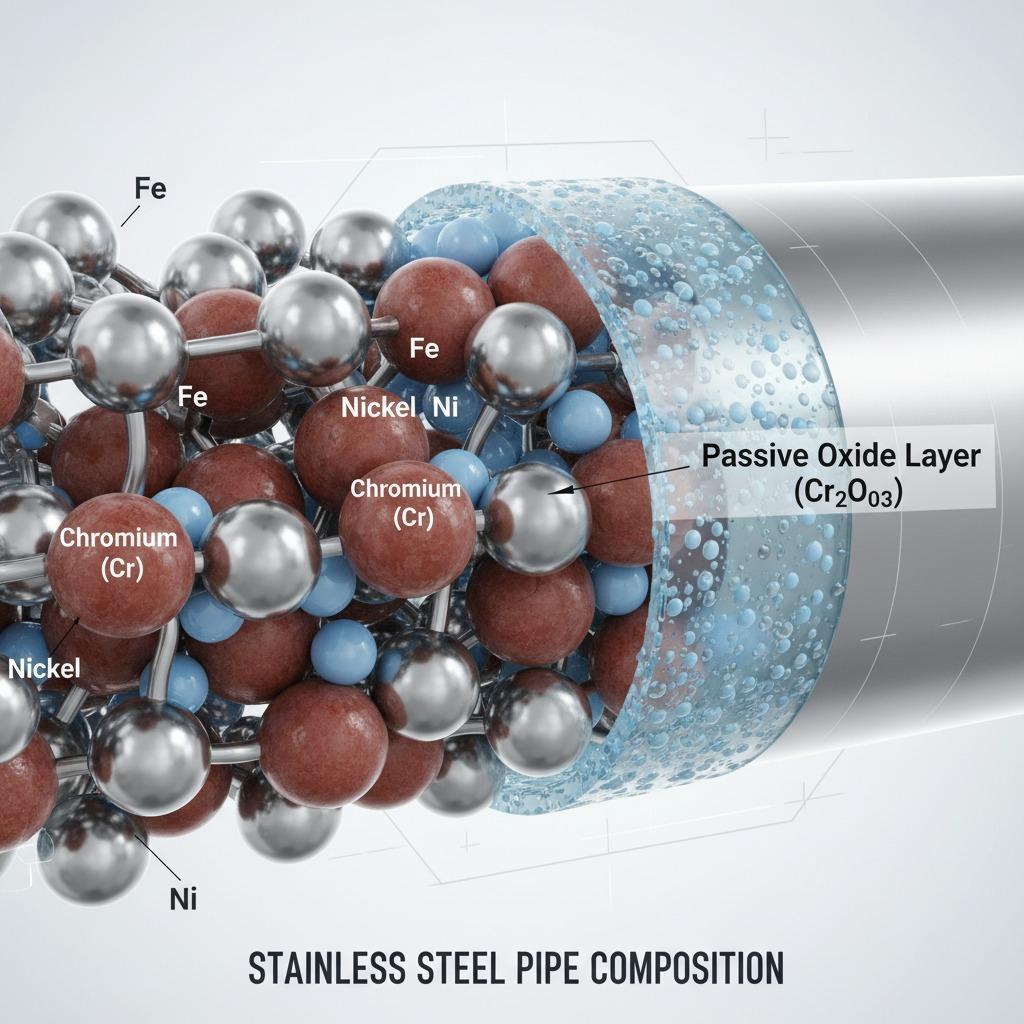
Stainless steel sheets are a type of metal plate with excellent corrosion resistance, mainly composed of iron, chromium, nickel and other elements. Its chromium content is usually above 10.5%, which enables it to form a dense chromium oxide protective film on its surface, thus having excellent anti-rust properties. Stainless steel sheets are widely used in architectural decoration, kitchen equipment, medical equipment, chemical equipment, automobile manufacturing and other fields.
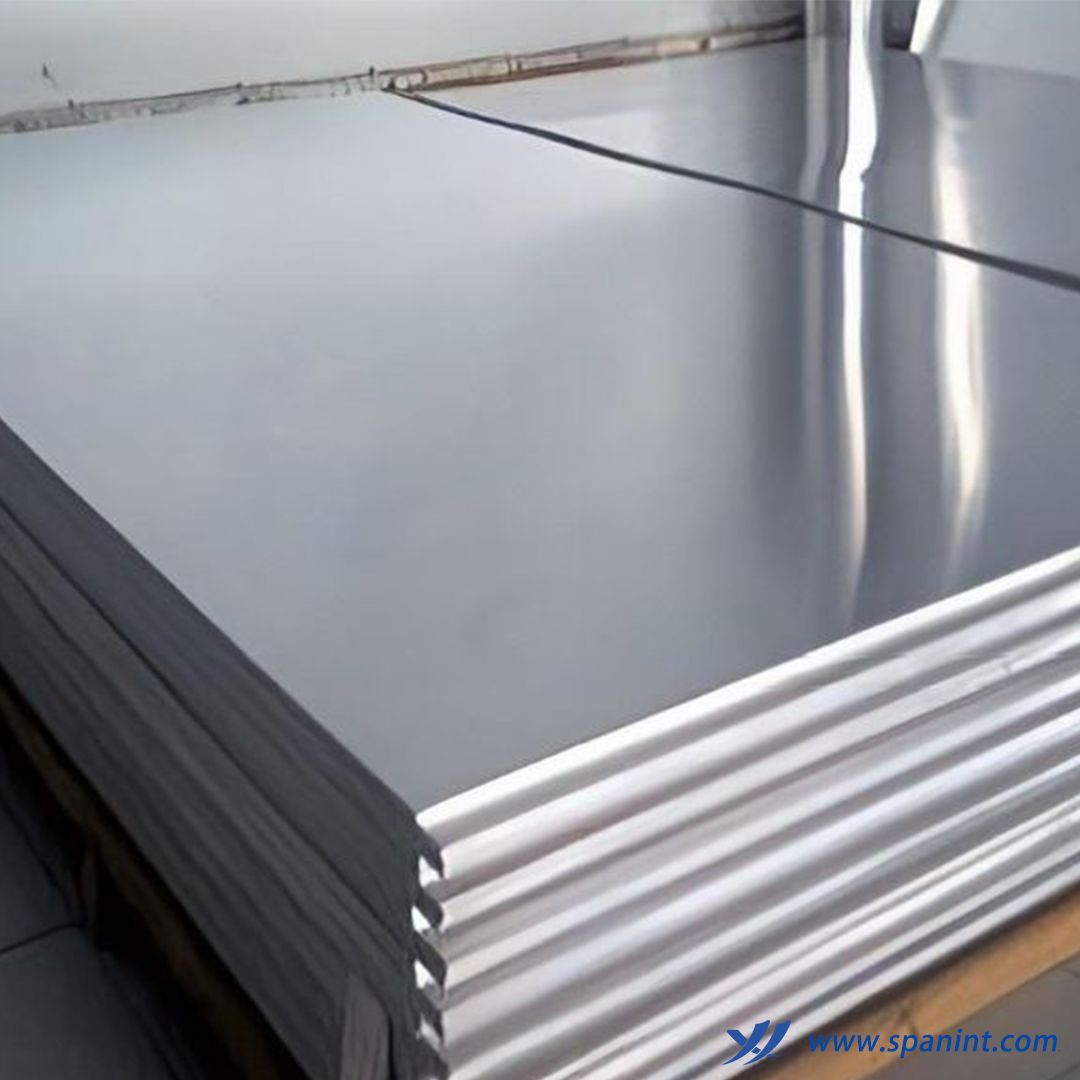
Main types of stainless steel sheets
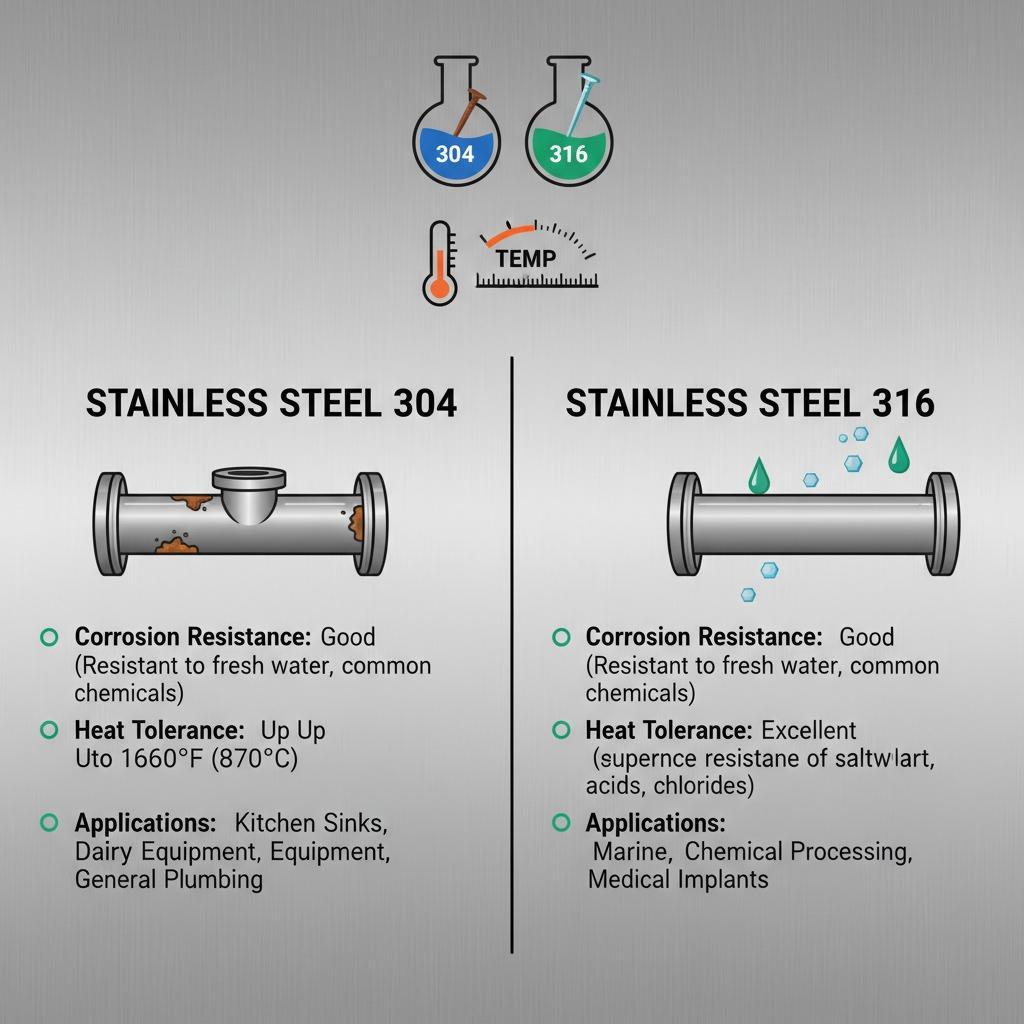
Austenitic stainless steel: such as 304, 316, etc., with good corrosion resistance and weldability
Ferritic stainless steel: such as 430, magnetic and low cost
Martensitic stainless steel: such as 410, can be heat treated to obtain high strength
Duplex stainless steel: has the characteristics of both austenite and ferrite
Stainless steel sheet production process
1. Raw material preparation and smelting
The production of stainless steel sheets starts with high-quality raw materials:
Scrap steel recycling (about 60-70%)
Ferroalloys (ferrochrome, ferronickel, etc.)
Pure metal additives
Smelting process:
Raw materials are melted into liquid steel in an electric arc furnace (EAF) or induction furnace
Temperature is controlled between 1600-1700°C
Chemical composition is adjusted by AOD (argon oxygen decarburization) or VOD (vacuum oxygen decarburization) process
Carbon content (usually <0.08%) and chromium-nickel ratio are precisely controlled
2. Continuous casting process
The molten steel is formed into slabs through a continuous casting machine:
The molten steel is poured into a tundish and then into a crystallizer
The molten steel is gradually solidified through a water cooling system
A continuous slab with a thickness of 150-250mm and a width of 1000-2000mm is formed
The slab is cut into appropriate lengths (usually 6-12 meters)
3. Hot rolling
The slab is hot rolled to become a hot rolled coil:
Heating: The slab is heated to 1200-1250°C in a step-beam heating furnace
Descaling: High-pressure water removes the surface oxide layer
Rough rolling: The slab is rolled to 30-50mm thick by a reversible rolling mill
Finishing rolling: Rolled to 2-10mm thick by a multi-stand continuous rolling mill
Coiling: The rolled steel plate is cooled and then rolled into a steel coil
4. Cold rolling (for thinner gauges)
Hot rolled coils are cold rolled after pickling:
Pickling: Remove the scale produced by hot rolling (usually using a mixture of nitric acid and hydrofluoric acid)
Cold rolling: Rolling at room temperature through a multi-stand mill
Intermediate annealing: Eliminate work hardening (usually in a protective atmosphere)
Secondary cold rolling: Reach final thickness (0.3-3mm)
Bright annealing: Annealing in hydrogen or hydrogen-nitrogen mixed atmosphere to keep the surface bright
5. Surface treatment process
Different surface treatments are performed according to application requirements:
2B surface: Slightly flattened after cold rolling, annealing, and pickling, most commonly used
BA surface: Bright annealing treatment, with mirror effect
No.3 surface: Grinded with 100-120 mesh abrasive belt
No.4 surface: Grinded with 150-180 mesh abrasive belt, commonly used in kitchen equipment
HL surface: Hairline treatment, with continuous stripes
Colored stainless steel: Various colors obtained through PVD coating or chemical treatment
6. Cutting and forming
The finished stainless steel coils can be processed according to customer needs:
Longitudinal slitting: slitting wide coils into different widths
Crosscutting flat sheets: cutting steel coils into single sheets
Laser/plasma cutting: accurately cutting complex shapes
Press forming: making various parts
Key points of quality control
Stainless steel sheet production process requires strict control:
Chemical composition: ensuring that the content of each element meets the standard
Mechanical properties: including tensile strength, yield strength, elongation, etc.
Surface quality: no scratches, indentations, rust spots and other defects
Dimensional accuracy: thickness, width, flatness, etc.
Corrosion resistance: passing salt spray test and other tests
Application areas of stainless steel sheets
Architectural decoration: Curtain walls, elevator decoration, doors and windows, etc.
Kitchen equipment: kitchen cabinets, stoves, dishwashers, etc.
Medical equipment: surgical instruments, medical carts, etc.
Transportation: automobile exhaust pipes, train interiors, etc.
Industrial equipment: chemical containers, food processing equipment, etc.
Development trend of stainless steel sheets
High performance: development of new steel grades with higher strength and corrosion resistance
Environmentally friendly production: reducing energy consumption and pollutant emissions
Surface treatment innovation: development of more functional surfaces
Customized production: meeting the special needs of different industries
Recycling: improving the recycling rate of waste stainless steel
Conclusion
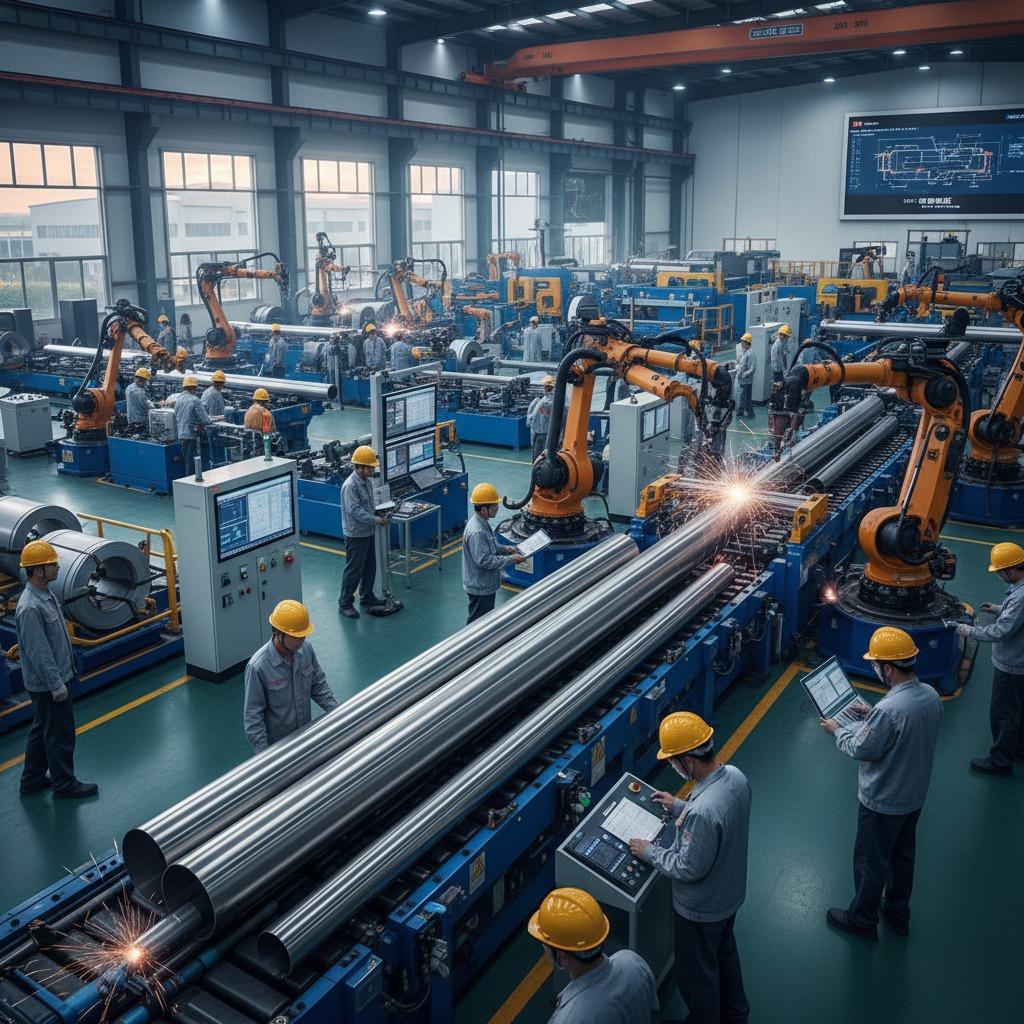
The production of stainless steel sheets is a complex process that integrates metallurgy, machinery, and materials science. With technological advances, the production process of stainless steel sheets has been continuously optimized, product quality has continued to improve, and the application field has been expanding. Understanding the production process of stainless steel sheets will help users correctly select and use stainless steel products and give full play to their excellent performance characteristics.