

Understanding the power of stainless steel
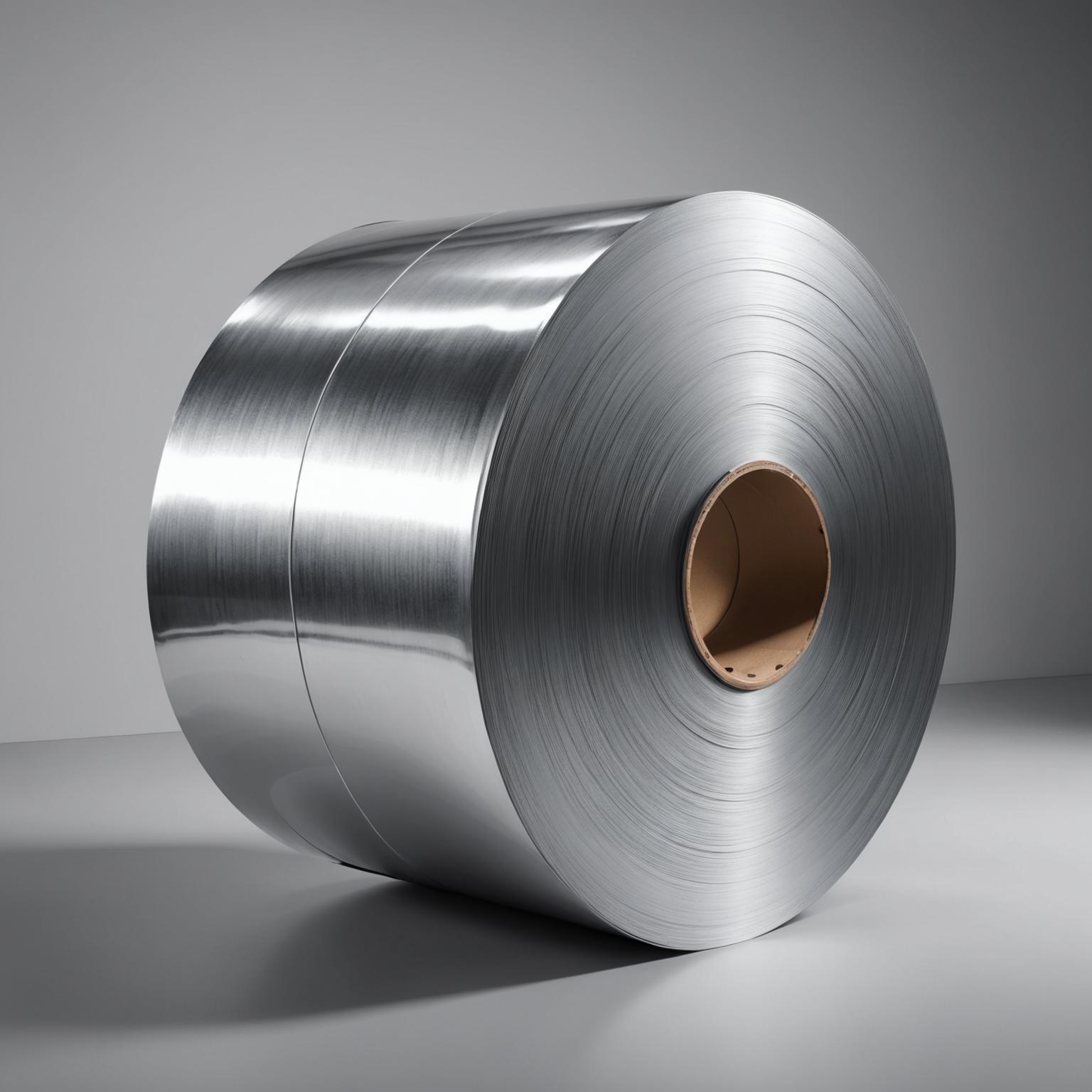
Stainless steel is not only a raw material. This is the cornerstone of modern industry and innovation. Stainless steel is known for its toughness, versatility and smooth appearance and becomes essential in every department. Products such as precision engineering stainless steel coils lift this material to a new standard, combining elegance and performance. From automotive parts to aerospace applications, stainless steel represents a mixture of functionality and complexity, making it the preferred choice in demanding environments.
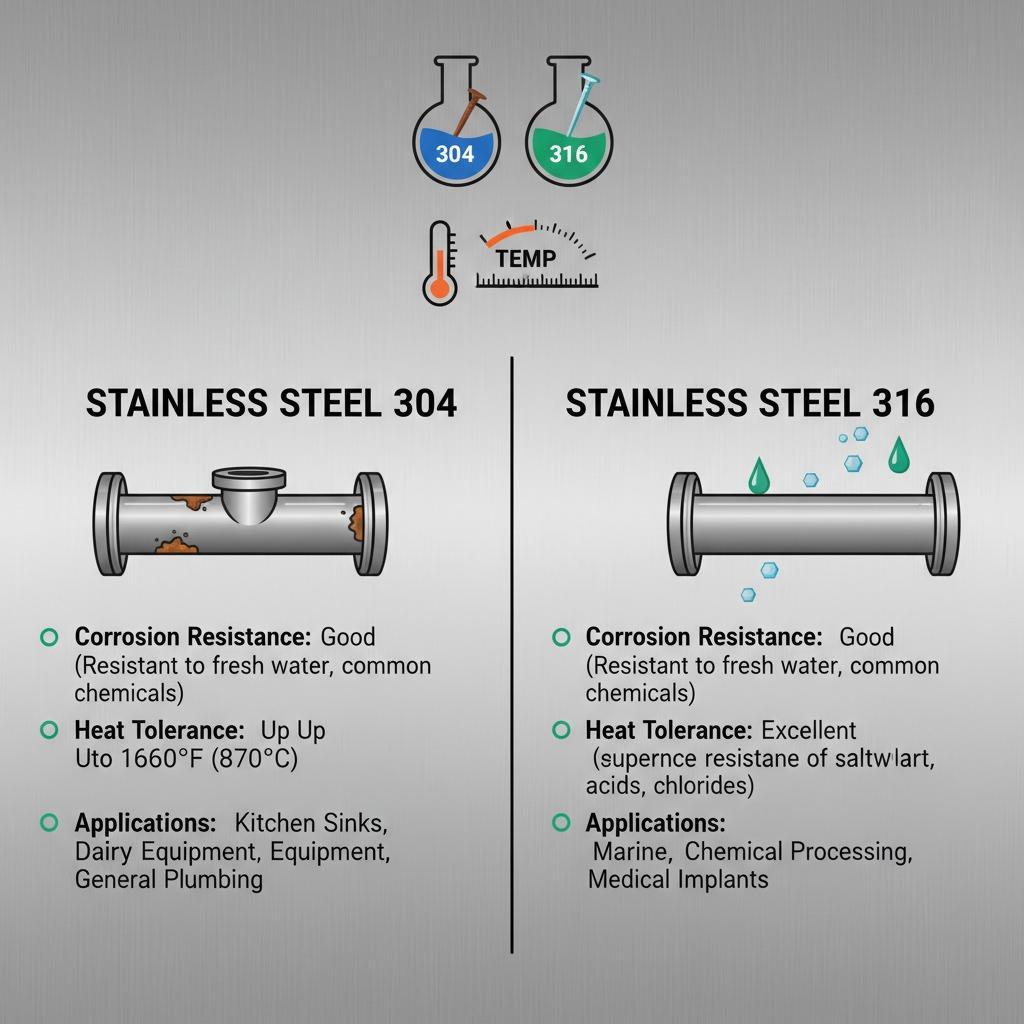
One of the factors that drive the popularity of stainless steel is its impressive impression of corrosion and wear. Stainless steel products such as these coils are designed to withstand harsh conditions and exhibit excellent durability. Furthermore, their mirror-like finishes not only enhance their utility, but also provide a sophisticated aesthetic that appeals to the modern industry. Whether for precise cutting or decorative purposes, stainless steel has proven to be universal.
The role of stainless steel coils in the transformation industry
In the innovations within this space, precise stainless steel coils stand out. This product redefines expectations for industrial materials and provides performance and adaptability. With customizable widths and thicknesses, these coils are seamlessly suited to a variety of applications. Industry from construction and automotive to aerospace and consumer goods utilize the unique characteristics of these coils, including corrosion resistance, strength and recyclability. This involves not only functionality, but also creating a product that redefines the ability of stainless steel to achieve.
Another fascinating feature is its sustainability. Fully recyclable stainless steel coils support eco-conscious programs, especially as more and more industries move towards greener production methods. This not only makes these products invest in quality, but also works to reduce environmental impacts. By integrating functionality, durability and environmental management, stainless steel consolidates its role as a future material.
Price Trends: Exploring the Economics of Stainless Steel
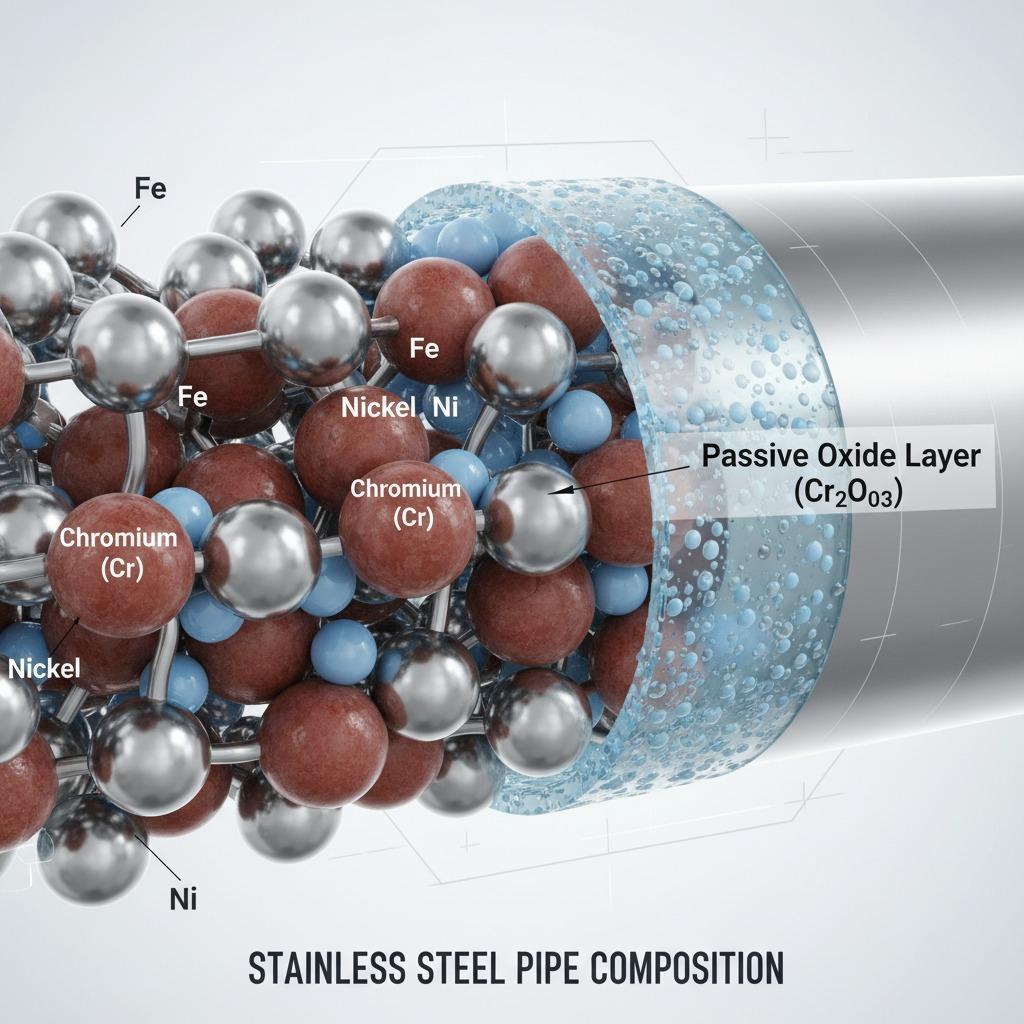
The pricing trend of stainless steel is severely affected by the global market and its main components, especially the cost of nickel. The impact of nickel prices on stainless steel cannot be exaggerated. Nickel is a key alloying element that improves corrosion resistance and durability of stainless steel. Therefore, fluctuations in nickel prices directly affect the cost of stainless steel products.
In recent years, nickel prices have varying significantly, affected by geopolitical events, mining challenges and shifts in demand. As the industry copes with the costs of supply chain disruptions and rising raw material costs, the price of stainless steel has entered a period of continuous fluctuation. For buyers and manufacturers, understanding these dynamics is crucial for effective planning and budgeting.
At the same time, advances in production technology and recycling methods have helped to stabilize prices to a certain extent. By embracing these innovations, manufacturers aim to meet demand while maintaining competitive prices. This dual approach benefits both consumers and the market, thus ensuring the continued growth of stainless steel products.
Technical innovation has shaped the future of stainless steel
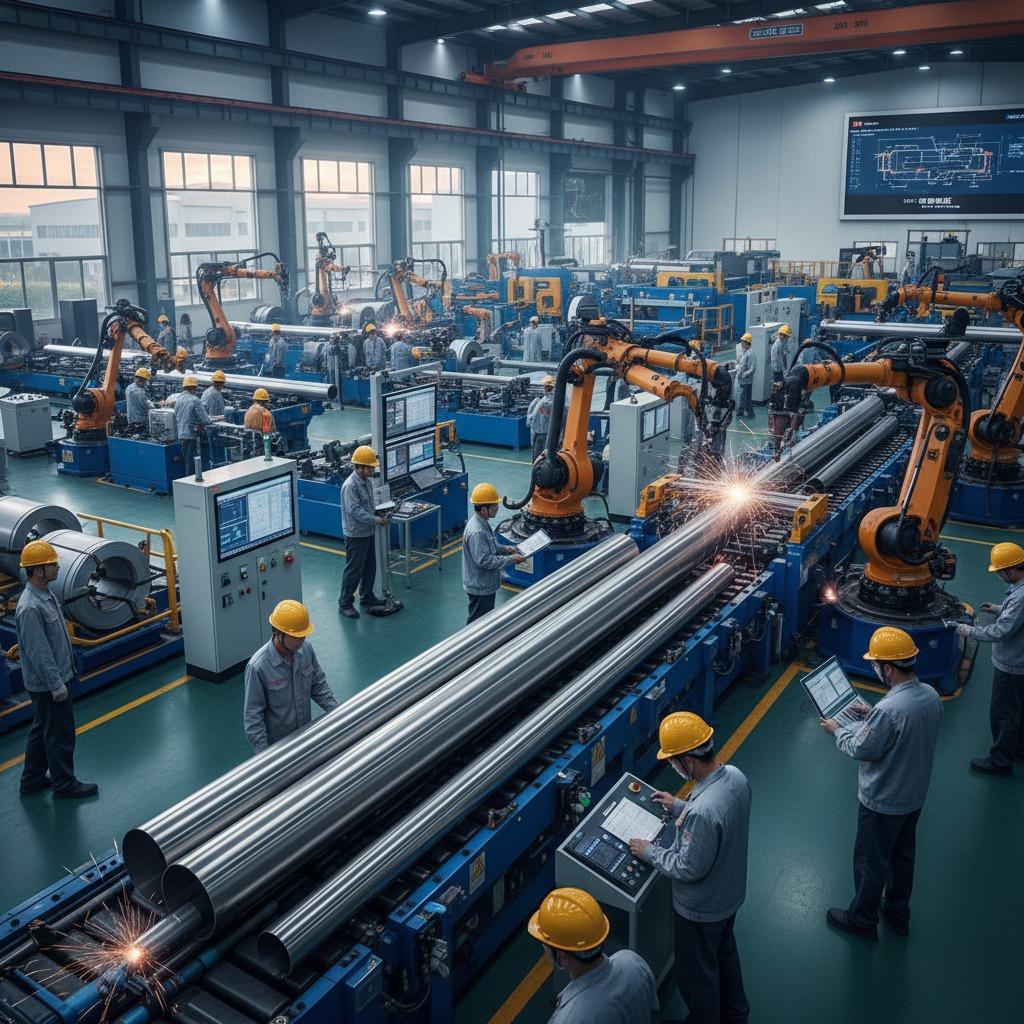
The stainless steel industry is not just about creating powerful materials. This is also necessary to embrace technological progress to completely change the production process. One such area of innovation is the development of precisely designed materials. Products such as precision engineering stainless steel coils embody this trend, blending cutting-edge engineering with aesthetic appeal.
Another breakthrough is the focus on sustainability. As climate change drives the transformation to environmental awareness practice, the recyclability of stainless steel has become a major advantage. Manufacturers are investing heavily in green technologies to reduce the carbon footprint of the production process and create materials that align with global sustainability goals.
In addition, advances in metallurgical technology allow for a finer, more uniform finish in stainless steel products. This not only enhances its utility, but also expands their potential for use in high-end applications, from luxury consumer goods to state-of-the-art buildings. The contribution of stainless steel to innovation is not limited to its physical properties. It also opens new doors for design and functionality.
Nickel price and its impact on the cost of stainless steel
Nickel pricing has become a key variable in evaluating the future of stainless steel. As one of the most important components in stainless steel production, nickel forms its overall cost. The global nickel market is affected by factors such as supply chain constraints, political uncertainty and soaring demand for sustainable materials.
In recent years, the surge in demand for electric vehicle batteries has added new dimensions to the nickel market. Since nickel is a key component in lithium-ion batteries, its price dynamics are now closely related to transportation electrification. This cross-industry impact emphasizes the importance of monitoring trends for anyone involved in stainless steel production.
To mitigate these fluctuations, the stainless steel industry is exploring alternative alloys and recycling methods to better utilize existing nickel resources. These steps are crucial to ensure the affordability and availability of materials. Therefore, understanding the correlation between nickel prices and stainless steel costs is crucial for smart decisions within the industry.
Conclusion: The road ahead of stainless steel
As we move further into the 21st century, stainless steel remains a material of great strategic importance to the entire industry. Products such as precision-designed stainless steel coils reflect how innovation can improve the potential of materials, providing performance, adaptability and environmentally friendly capabilities. The blend of durability, aesthetics and sustainability makes stainless steel an irreplaceable component in modern manufacturing.
However, challenges remain, especially as prices of raw materials such as nickel fluctuate. Addressing these problems requires a synergistic approach, including technological advances, alternative alloys and sustainable production methods. Despite these challenges, the prospect of stainless steel is driven by its unrivalled versatility and the industry’s proactive adaptation of global trends.
In short, stainless steel is not only a material, but also a driving force for innovation and progress. Whether it is a coil that shapes industrial uses or a spiral used to create architectural masterpieces, its impact is undeniable. As the industry continues to grow, stainless steel will undoubtedly remain at the forefront, thus shaping the future of materials science and industrial design.