

How to Select and Install Stainless Steel Pipe for Oil and Gas Applications
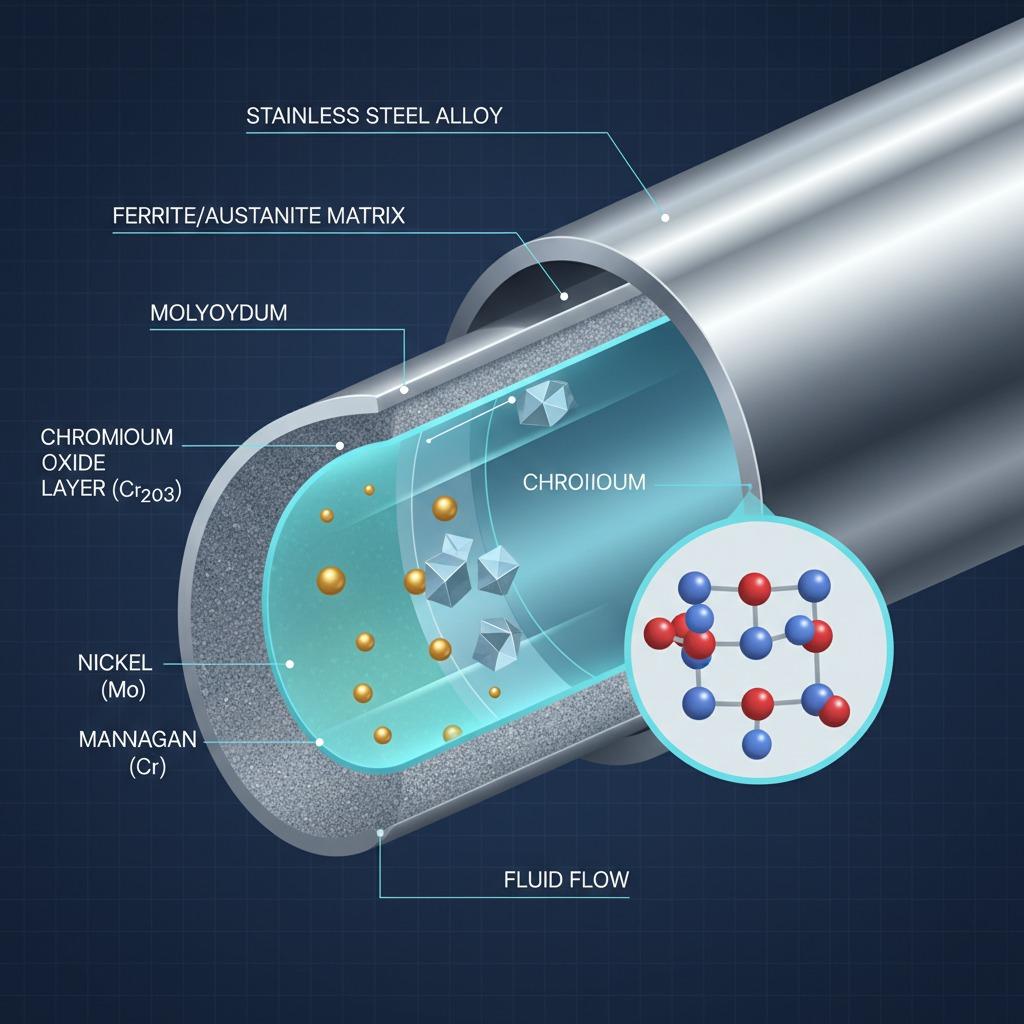
Stainless steel pipe is a cornerstone material in the oil and gas industry, prized for its exceptional resistance to corrosion and ability to withstand extreme pressures and temperatures. If you're involved in pipeline projects or infrastructure development, understanding how to choose and implement stainless steel pipe for oil and gas applications can make all the difference in ensuring safety, efficiency, and longevity. This guide will walk you through the essential steps, from selection to installation, helping you leverage this versatile material effectively.
Understanding the Role of Stainless Steel Pipe in Oil and Gas
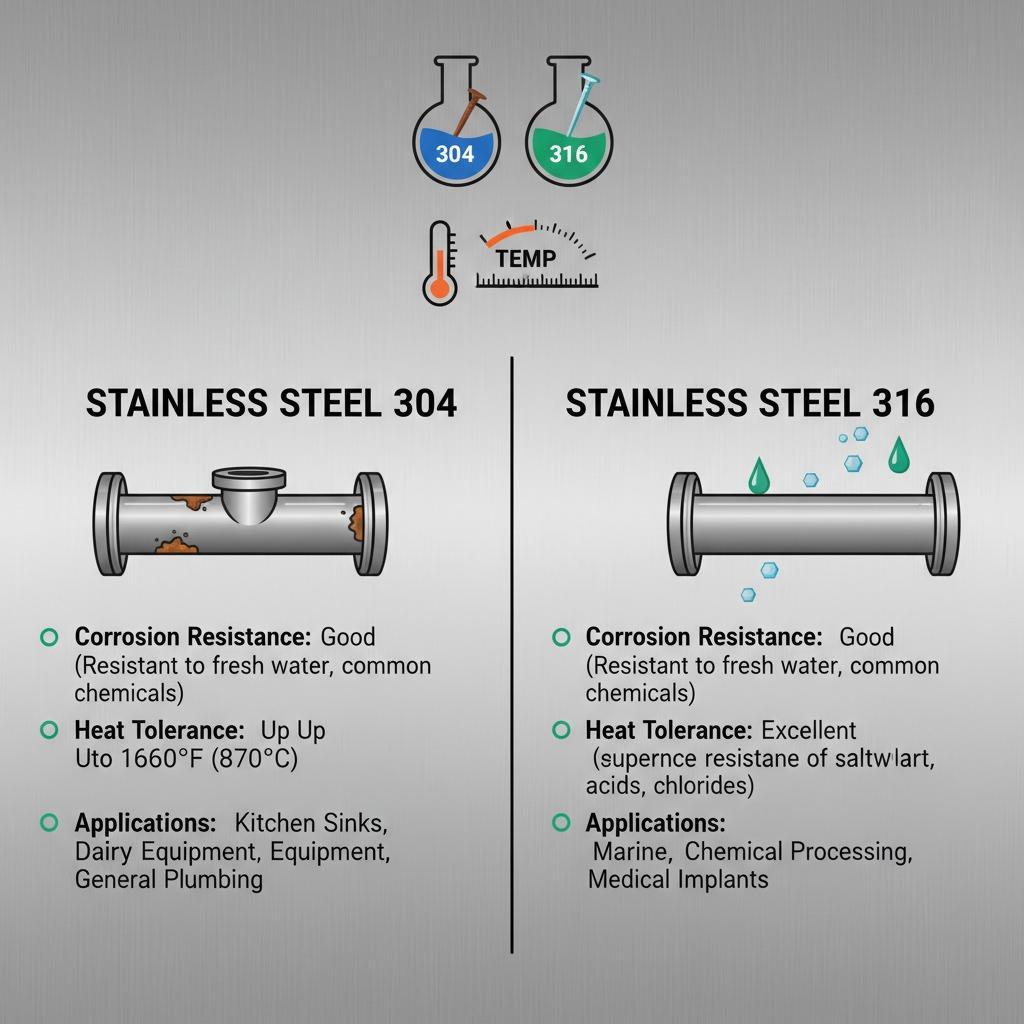
In the demanding world of oil and gas extraction and transportation, stainless steel pipe for oil and gas stands out due to its superior mechanical properties. Unlike carbon steel alternatives, stainless steel offers inherent corrosion resistance, which is crucial when dealing with harsh environments like offshore platforms or underground pipelines exposed to moisture, chemicals, and high pressures. Grades such as 304 and 316 are commonly used, with 316 providing enhanced protection against pitting and crevice corrosion from chlorides often present in seawater or drilling fluids.
To begin, assess your project's specific needs. Consider factors like the type of fluid being transported—whether crude oil, natural gas, or refined products—and the operational conditions. For instance, sour service environments with hydrogen sulfide require materials compliant with NACE MR0175 standards to prevent sulfide stress cracking. Stainless steel pipe for oil and gas ensures that pipelines remain intact, minimizing leaks and environmental risks. Always consult material specifications to match the pipe's alloy content, such as chromium and molybdenum levels, to your application's demands.
Step-by-Step Guide to Selecting the Right Stainless Steel Pipe
Selecting the appropriate stainless steel pipe for oil and gas starts with evaluating size, schedule, and seamless versus welded options. Pipe diameter, measured in nominal pipe size (NPS), should align with flow rates; larger diameters reduce friction losses but increase costs. Schedules denote wall thickness—thicker walls for high-pressure lines, like Schedule 80 for up to 2,000 psi in gas transport.
Next, prioritize seamless pipes for critical applications where weld seams could be weak points. These are extruded from a solid billet, offering uniform strength ideal for high-pressure oil and gas lines. For cost-effective solutions in less demanding sections, welded pipes using processes like electric resistance welding (ERW) can suffice, provided they meet ASTM A312 standards.
Consider certifications: Ensure the stainless steel pipe for oil and gas is sourced from mills adhering to API 5L or ASME B31.3 codes. Test for tensile strength (minimum 75,000 psi for Grade 304) and elongation to guarantee durability. Environmental factors, such as subsea installations, may necessitate duplex stainless steels like 2205 for superior fatigue resistance. By following these steps, you'll select pipes that not only meet regulatory requirements but also enhance project reliability.
Preparing for Installation of Stainless Steel Pipe in Oil and Gas Projects
Preparation is key to a successful installation. Begin by inspecting all stainless steel pipe for oil and gas upon delivery—check for surface defects, dimensional accuracy, and proper labeling. Clean pipes to remove any mill scale or contaminants using pickling solutions, as residues can lead to corrosion initiation.
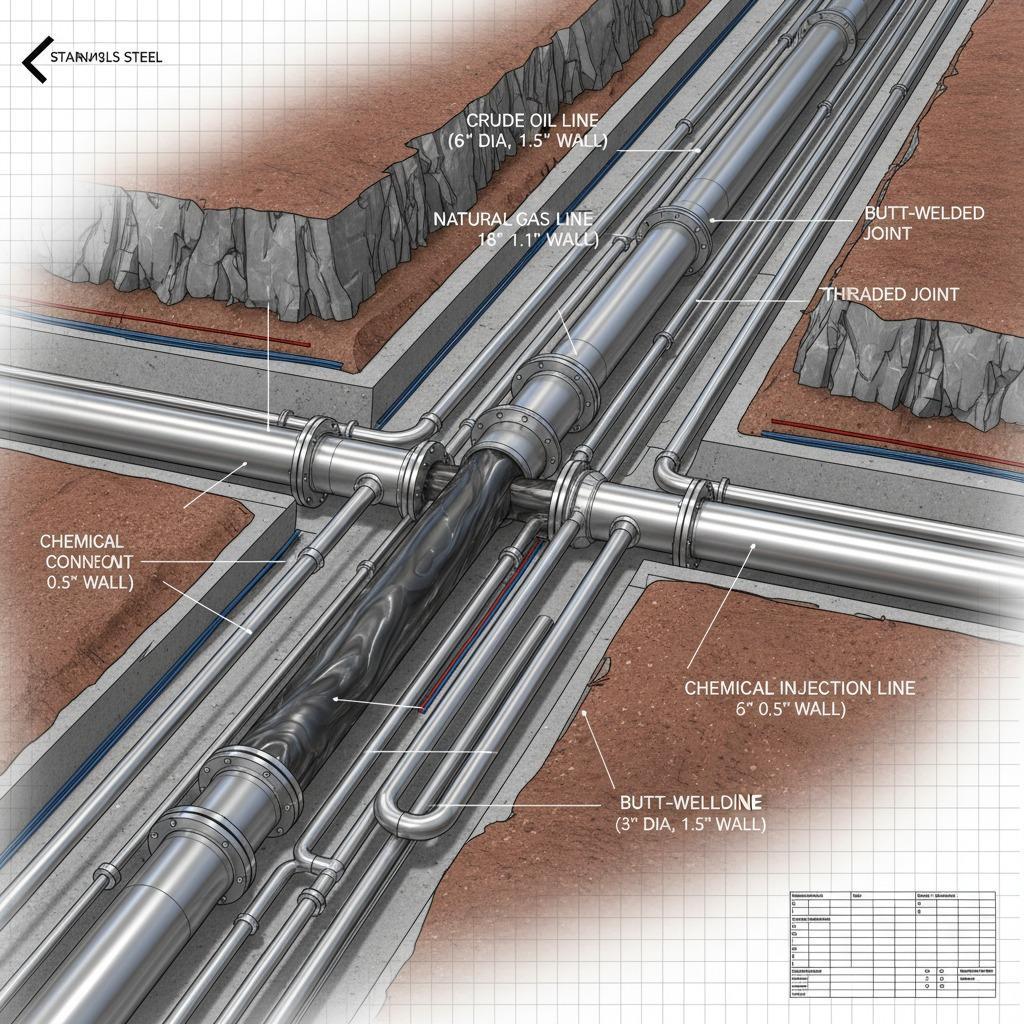
Site preparation involves trenching or rack assembly tailored to the terrain. For buried pipelines, ensure proper bedding with sand or gravel to support the pipe and prevent stress concentrations. In offshore settings, align with subsea welding habitats. Always use non-contaminating tools to avoid introducing carbon steel particles that could cause galvanic corrosion on the stainless surface.
Safety protocols are non-negotiable. Conduct hydrostatic or pneumatic testing per ASME B31.4 for liquid lines or B31.8 for gas, pressurizing to 1.5 times the design pressure to verify integrity. This step detects leaks early, safeguarding against catastrophic failures in oil and gas operations.
Best Practices for Installation and Welding
Installation techniques vary by context, but for stainless steel pipe for oil and gas, precision welding is paramount. Employ Gas Tungsten Arc Welding (TIG) for root passes due to its control and low heat input, minimizing distortion. Use filler metals matching the base alloy, like ER308 for 304 pipes, and purge the inside with argon to prevent oxidation.
For field joints, automated orbital welding ensures consistency in long-distance pipelines. Support pipes adequately with hangers spaced no more than 10 feet apart to avoid sagging, especially in elevated gas lines. Apply protective coatings, such as fusion-bonded epoxy, over welds in corrosive zones to extend service life.
Monitor alignment during assembly using laser levels for straight runs, reducing stress on fittings. For threaded connections, use PTFE tape sparingly to avoid embedding particles. Post-installation, perform non-destructive testing like radiographic or ultrasonic inspections on 100% of critical welds to confirm soundness.
Maintenance and Long-Term Care for Stainless Steel Pipe Systems
Once installed, maintaining stainless steel pipe for oil and gas ensures decades of service. Implement a routine inspection schedule, using tools like pipeline pigs for internal cleaning and corrosion monitoring via coupons or probes. Cathodic protection may be integrated for buried sections, though stainless steel's passivity often reduces this need.
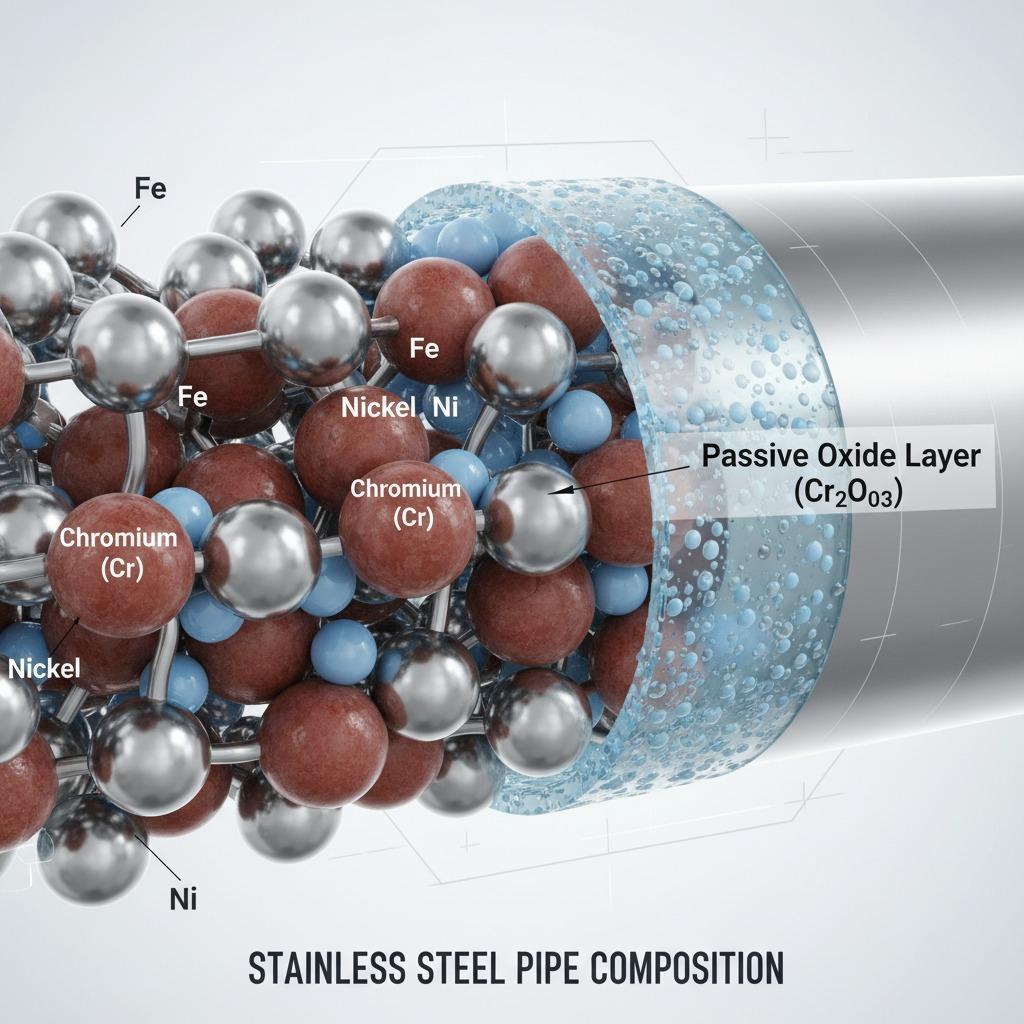
Address any pitting promptly with localized repairs, grinding out defects and rewelding. In refineries, monitor for stress corrosion cracking through periodic dye penetrant tests. Proper passivation after fabrication restores the chromium oxide layer, enhancing resistance.
By adhering to these maintenance practices, you can extend the lifespan of your infrastructure, reducing downtime and costs. Regular audits against industry standards like API 570 for piping systems will keep your oil and gas operations compliant and efficient.
Why Choose Our State-of-the-Art Stainless Steel Pipes
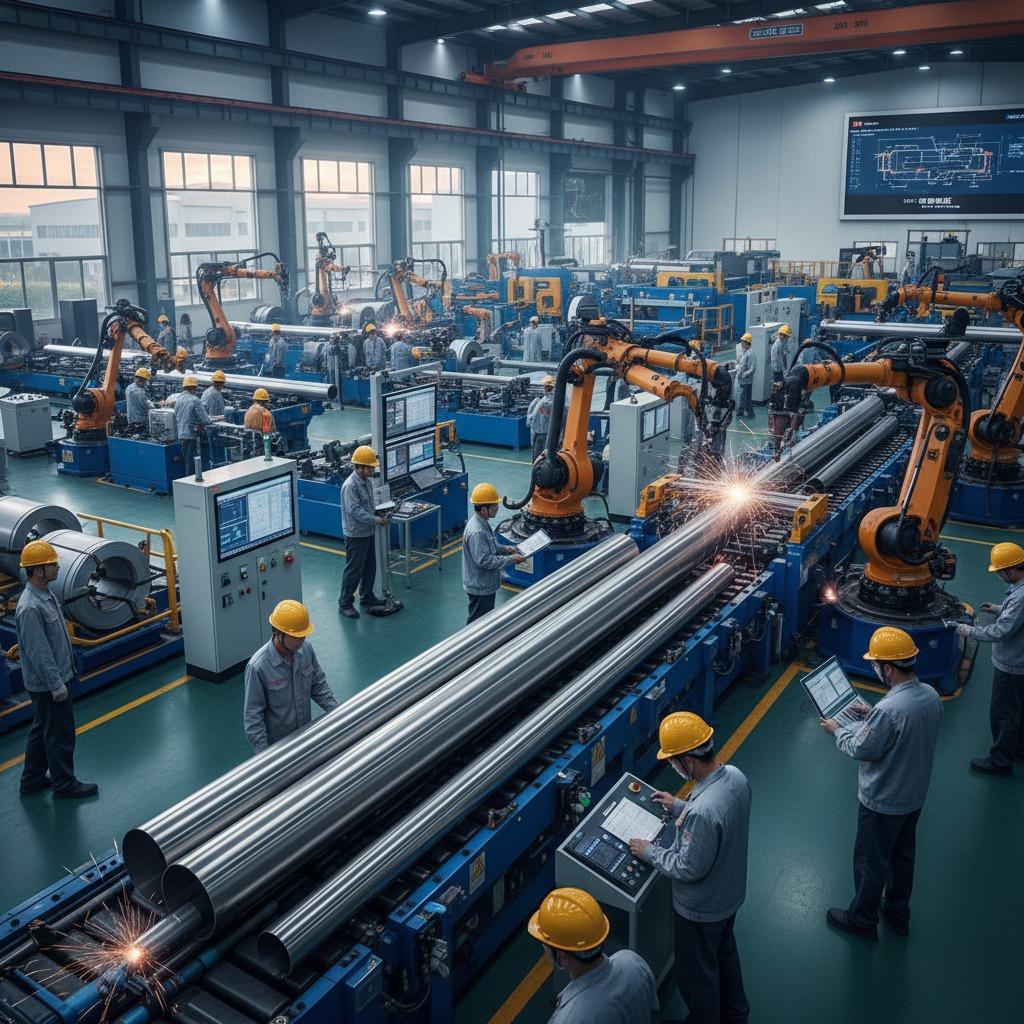
Our state-of-the-art industrial pipes are meticulously engineered to meet the demanding requirements of modern oil and gas projects. These robust stainless steel pipes boast exceptional durability and strength, with large diameters and seamless finishes that maximize efficiency and longevity. Ideal for transporting oil, gas, and providing structural support, they offer a reliable solution with a sleek industrial aesthetic. Whether for onshore or offshore applications, our stainless steel pipe for oil and gas delivers precision and resilience, ensuring your projects succeed under the toughest conditions.
In summary, mastering the use of stainless steel pipe for oil and gas involves careful selection, expert installation, and diligent maintenance. By following this guide, you'll harness the full potential of this material to drive safer, more productive operations in the energy sector.