

Know how to calculate the importance of weight of stainless steel coils
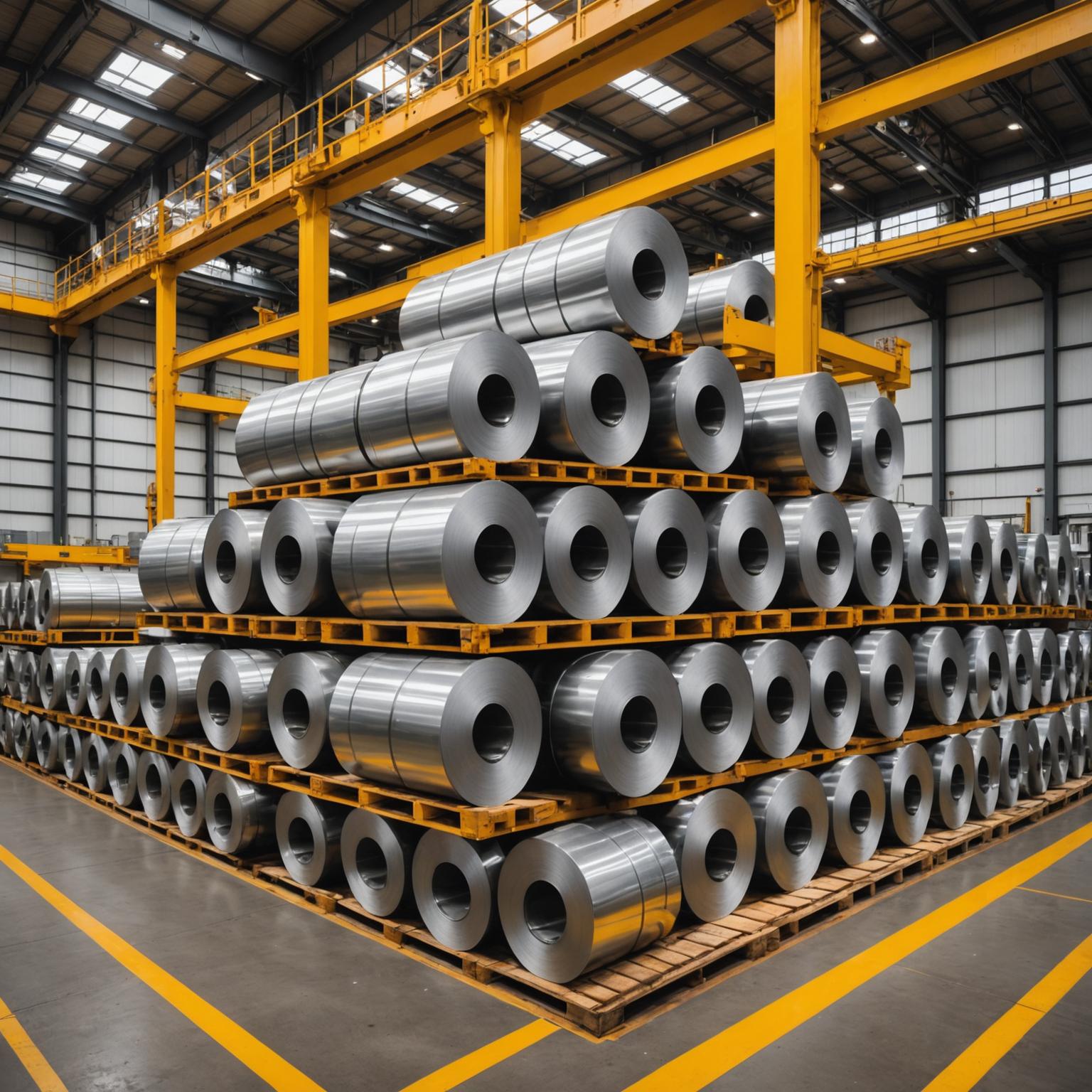
When using stainless steel coils, whether you are in the automotive, construction or equipment manufacturing industry, it is absolutely necessary to understand "how to calculate weight" in the industry. Knowing how to calculate the weight of stainless steel coils helps simplify planning, logistics and project costs. For manufacturers and builders, this knowledge can increase efficiency and reduce material waste, ensuring your project remains on the budget without compromising quality.
Stainless steel coils are precious due to their strength, durability and adaptability. From providing structural support in construction projects to partial shearing for advanced technology products, stainless steel coils are the backbone of modern industrial applications. Therefore, accurate weight measurements are essential to determine the amount that is suitable for your use, transportation feasibility and even processing compatibility.
Familiar with weight calculations will also help you comply with industry standards and regulations, as incorrect weight estimates can lead to overload, delays and even product failures. Let's explore methods and formulas to uncover this seemingly complex process and simplify your project execution.
Why do stainless steel coils require accurate weight calculations
Stainless steel coils come in a variety of achievements, thicknesses and widths, designed to meet a wide range of industrial needs. This versatility makes accurate weight calculations even more important. Weight will not only affect processing and transportation, but also production processes such as shear, cutting and formation.
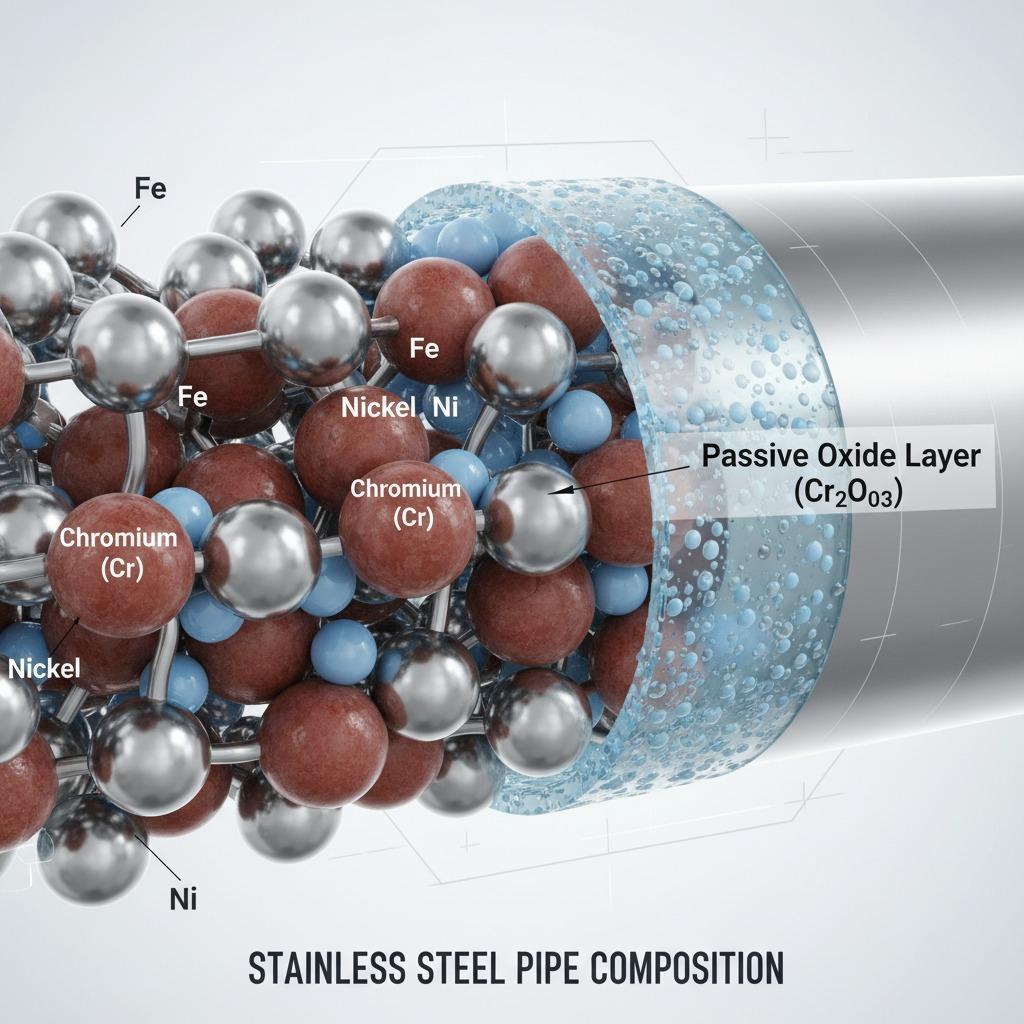
A outstanding feature of stainless steel coils is their high-quality materials that provide high-quality corrosion resistance. These coils have the ability to withstand harsh environments and are the preferred material for industries such as aerospace, automotive and construction. However, high-density stainless steel means that even small differences in weight estimates can lead to significant logistical challenges. For example, heavy load and overweight transport vehicles can incur fines or damage the equipment.
In addition, understanding the weight of stainless steel coils allows manufacturers to evaluate cost-effectiveness. Purchasing slightly more materials than needed can be expensive to supervise. The tensile strength and forging of the coil make it suitable for applications ranging from household appliances to cutting-edge technologies; however, the use of weight calculations ensures effective utilization of every inch of the material.
Step by step guide: How to calculate the weight of stainless steel coils
The formula for calculating the weight of a stainless steel coil involves direct geometry and the density of the material. Here is how you can calculate effectively:
Formula:
Weight=widthxthicknessxlengthxdense
1. Determine width, thickness, and length
- This width stainless steel coil is usually specified by the manufacturer in millimeters or inches.
- This thickness is measured like width at a speed of millimeters or inches and plays an important role in overall body weight.
- This lengthfactors of the coil vary according to their intended application and are usually in meters by the supplier.
2. Stainless steel density
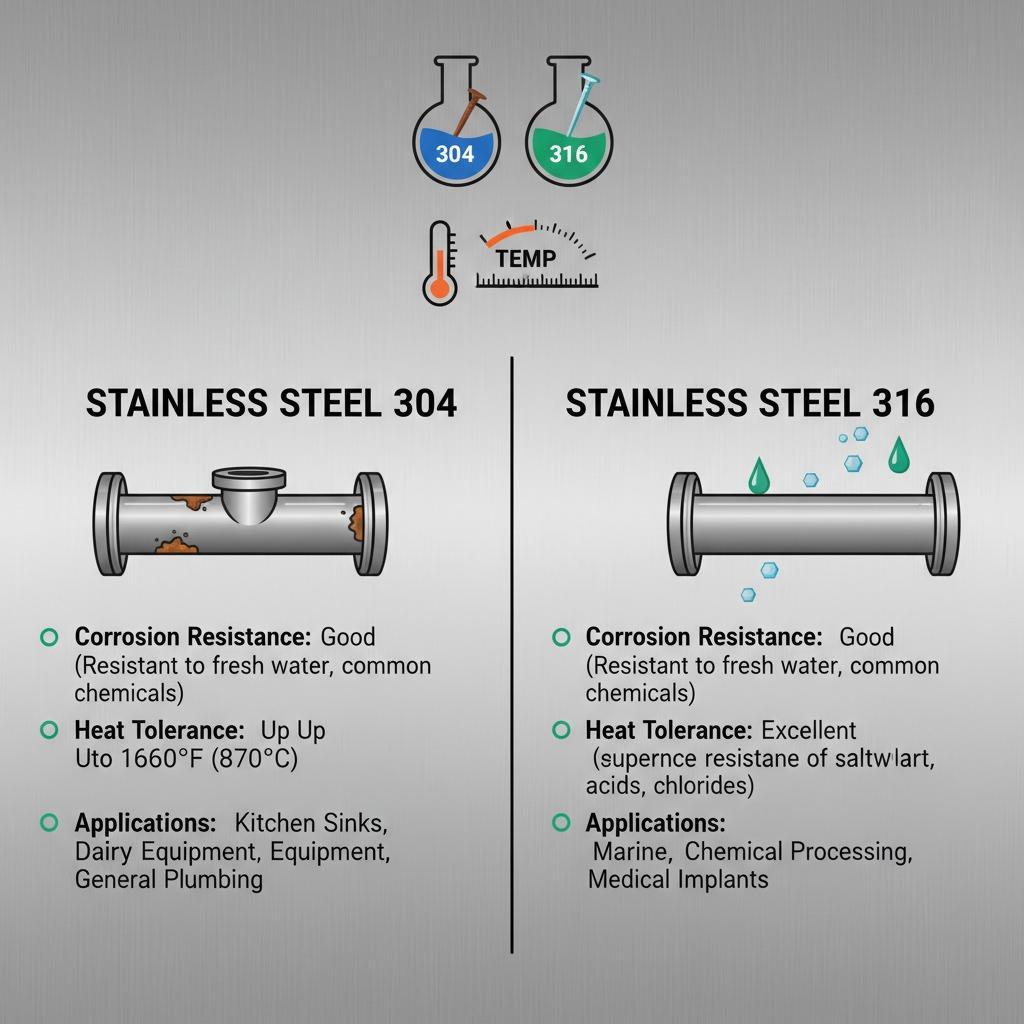
The density of stainless steel varies according to its grade. For example, the density of 304 stainless steel is about 7.93 g/cm³. Always confirm the density of the material from the product specifications to ensure accurate calculations.
3. Example Calculation
Suppose your stainless steel coil has the following dimensions:
- Width = 1000 mm
- Thickness = 2 mm
- Length = 500 meters
- Density = 7.93 g/cm³
First, make sure all measurements are in compatible units:
- Convert height to cm: 1000 mm = 100 cm
- Convert thickness to cm: 2 mm = 0.2 cm
- Keep length in meters: 500m = 50000 cm
Now, apply formula:
Weight = 100 x 0.2 x 50000 x 7.93
Weight = 793,000 g (or 793 kg)
This figure provides the weight of the stainless steel coil. You can extend this method to any size and density coils!
Application of weight calculation in different industries
In an industry that uses stainless steel coils, accurate weight calculations have high significance for a variety of reasons:
1. Automotive Industry:
Manufacturers rely on stainless steel coils to produce lightweight but powerful vehicle components. Accurate weight calculations ensure proper use without the need for too much material, driving cost efficiency and sustainability.
2. Construction and Building Materials:
Stainless steel coils are widely used in roof, pipe and wall reinforcements. Proper weight assessment helps determine load bearing thresholds and transport logistics.
3. Equipment Manufacturing:
From refrigerators to dishwashers, equipment manufacturers use coils for aesthetic and functional purposes. Accurate weight measurements ensure seamless product integration and optimal supply chain management.
4. Aerospace and high performance technology:
Efficiency and accuracy are crucial here. Slight error in weight estimates can disrupt product design or cause serious performance problems.
The ability to calculate weight reduces these risks, thus making the manufacturing cycle smooth and accurate.
Conclusion: Bringing excellence to material treatment
Stainless steel coils are revolutionary materials with unparalleled strength, corrosion resistance and flexibility. Knowing “how to calculate weight” accurately ensures their effective use in a variety of applications, from automotive components to advanced technology products. It also protects inefficiency, waste and logistical errors.
In addition, today’s available stainless steel coils with perfect finishes and an environmentally friendly production process enhance the quality and sustainability of your project. Working with suppliers that emphasize advanced materials can further simplify the process, as the large amount of technical data you need to do is easily accessible.
Ultimately, mastering this weight calculation gives you insight to make informed decisions, simplify operations and create cutting-edge products that stand the test of time. With this expertise, you will find it easier to deal with the most ambitious industrial challenges and turn raw materials into bold, groundbreaking reality!