

Understand the basics: 304 vs. 201 stainless steel
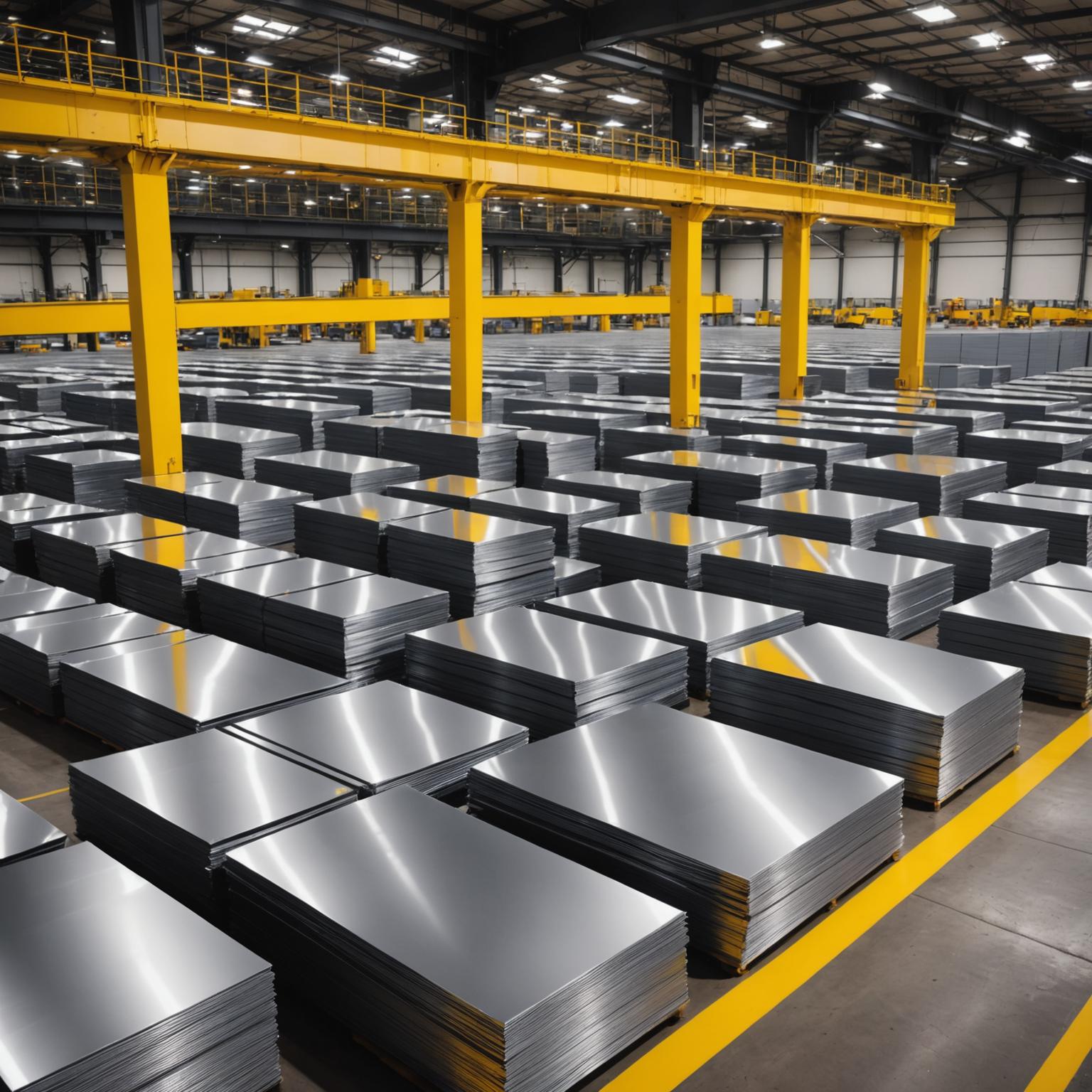
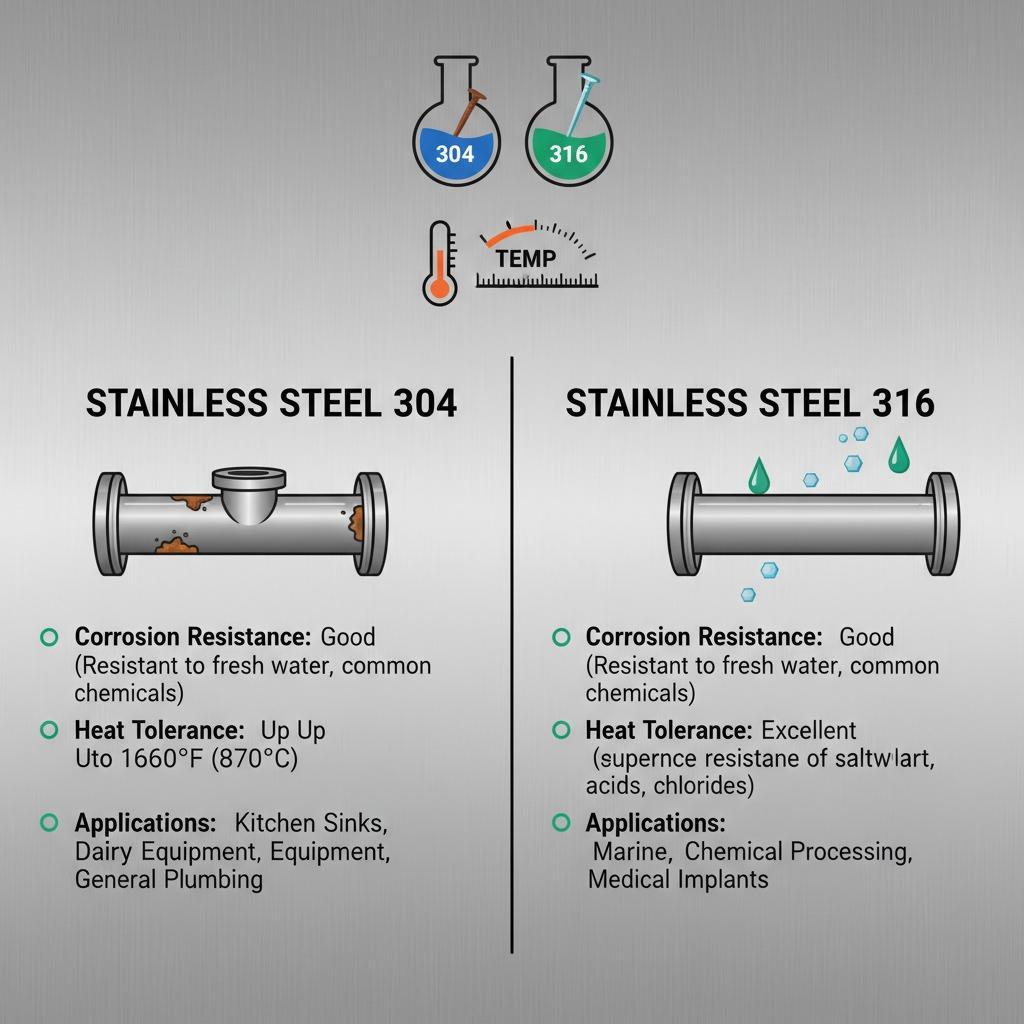
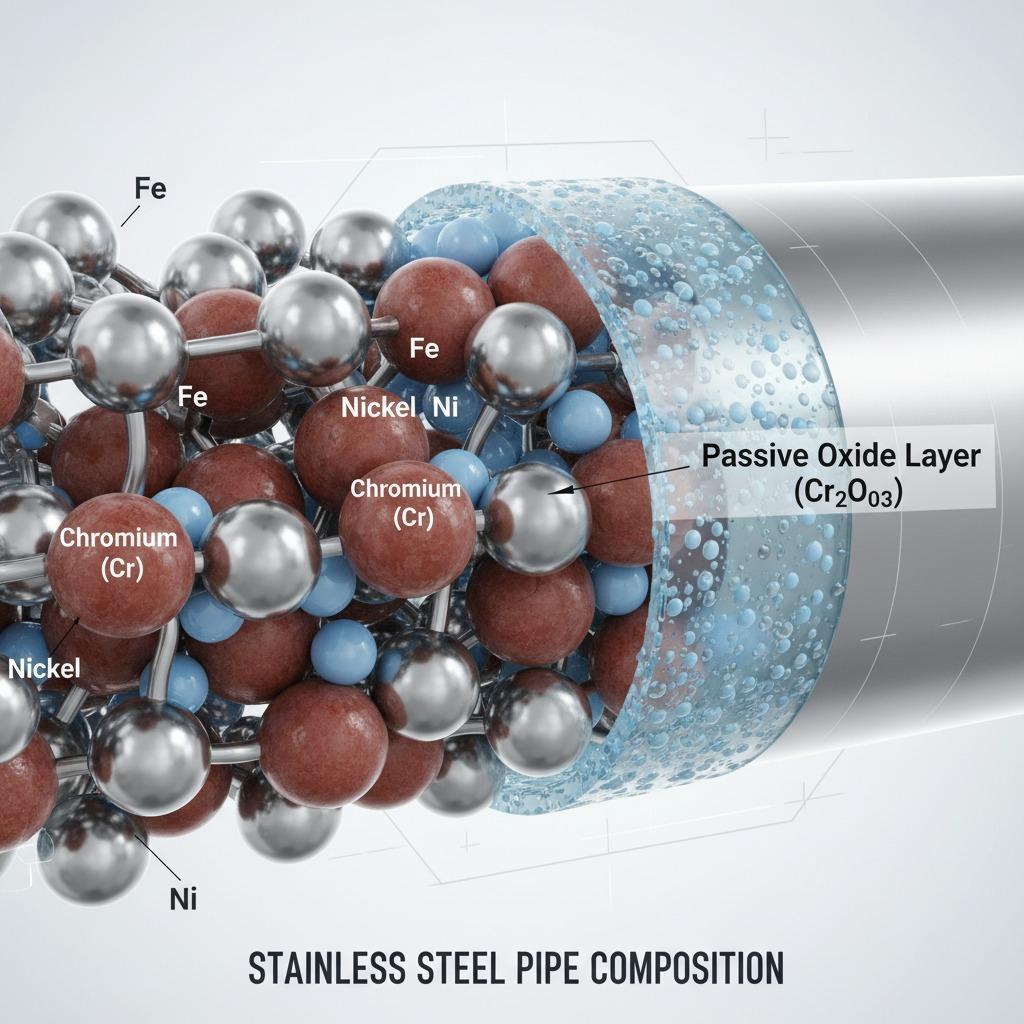
The choice of 304 and 201 stainless steel is often debated when it comes to stainless steel sheets. Whether you are developing luxury equipment, structural components, or custom interiors, know that each type of unique features is essential to your project. One of the initial differences was that 304 stainless steel contained more nickel and chromium than 201 stainless steel, which provided it with high-quality rust and corrosion resistance. This fundamental difference makes 304 stainless steel watches the preferred choice for applications exposed to extreme weather or high moisture levels.
At the same time, 201 is still durable, while still durable, but is usually a more economical option due to its lower nickel content and higher manganese content. The combination produces slightly lower resistant materials, but offers incredible versatility for indoor, demanding applications. Choosing the choice between the two often boils down to balancing performance, durability and the cost-effectiveness of the intended application.
Durability and lifespan: Key Differentiator
Durability is the cornerstone indicator that determines the 304-201 stainless steel plates. Thanks to its excellent composition, 304 stainless steels exhibit great resistance to rust, corrosion and other forms of degradation. This makes it ideal for long-term applications such as building decoration, medical devices and marine environments, where exposure to water and harsh conditions is inevitable. Additionally, it can maintain this elasticity without continuous maintenance, making it a "setup and verification" type of material.
On the other hand, although 201 stainless steel is corrosion resistant to some extent, it is 304 lower when exposed to more aggressive substances or environments. It is highly suitable for acidic or low-function applications such as kitchen appliances, indoor furniture frames or equipment housings where environmental challenges are not a problem. However, users must consider that the trade-offs on reducing corrosion resistance depend on their affordability and strength being balanced.
Durability is also accompanied by the material's properties under mechanical stress. Premium stainless steel plates, especially among the 304 options, stand out because they are robust in scratches, heat and even high pressure impacts. This toughness makes them excellent in demanding environments compared to 201 stainless steel plates.
Aesthetics and Functional Multifunctionality
304 and 201 stainless steel plates are well known for their aesthetics and functional versatility, and can meet a wide range of industries. In situations where luxury and high-quality finishes are crucial, such as modern architectural design or high-end home interiors, 304 stainless steel glows – literally. Its reflective polished surface and impeccable strength combine to create functional and visually stunning products, an example of the innovative V21 modular stainless steel plate system.
In contrast, low-cost 201 stainless steel provides practical solutions for cost-sensitive applications. It can still provide a visually attractive finish for decorative or light industrial purposes. Designers and engineers often choose 201 sheets for projects that are critical to aesthetics, but may not require the harsh environmental conditions of 304 steel.
However, when delving into functional design, the V21 modular stainless steel plate system shows why advanced 304 stainless steel plates are often the first choice for professionals. Features such as scratching, heat resistance and customizable thickness make 201 stainless steels generally unmatched. Whether you customize a new workbench by seamless interlocking or making industrial-grade prep tables, choosing materials like 304 stainless steel can improve the performance and reputation of your final product.
Cost and sustainability considerations
Cost is another important factor when choosing stainless steel plates. For those seeking a more budget-conscious option, 201 stainless steel offers a cost-effective solution without sacrificing important qualities. It is in perfect agreement with projects where price sensitivity is a priority, but long-term resilience in harsh environments is not entirely necessary.
With 304 stainless steel sheets, you pay a premium for high-end performance, but it also has long-term advantages. Due to its durability and corrosion resistance, fewer replacements or repairs are required over time, making it a more economical option for long-term applications. In addition, high-quality stainless steel plates stand out in their environmentally friendly quality. They are fully recyclable and they are highly sustainable choices for green awareness projects, combining lower environmental impacts with peak material properties.
Conclusion: How to tell which stainless steel plate to use
Understanding the differences between 304 and 201 stainless steel plates is essential to make an informed decision. If your project requires unparalleled corrosion resistance, impeccable finishes, and ability to withstand tough environments, 304 sheet stainless steel plates (such as those in V21 modular stainless steel plate systems) are obviously a superior choice. Their precise engineering, scratch-resistant finish and versatility make them ideal for high-risk applications.
On the other hand, when working within budget, still requires less durable and aesthetic materials than indoor use, the 201 stainless steel plate provides an excellent balance of affordability and practicality. Knowing how to differentiate between the two can plan the material with performance and cost-effectiveness in mind.
When investing in high-end materials such as high-grade stainless steel plates, it is not only considered as ensuring the security of building supplies, but also elevating each project to a professional level, ensuring form and function play a role in symbiosis, thus creating something truly outstanding.