

When working with stainless steel, material selection is a critical decision that impacts not only the final product's longevity but also the ease of manufacturing. A common challenge faced by fabricators and designers involves forming and shaping the metal. This often leads to a crucial question: Why is 201 more likely to crack than 304 when stainless steel is bent? The answer lies deep within the metallurgical properties of these two popular alloys, and understanding these differences is key to preventing costly failures and achieving a flawless finish in your projects.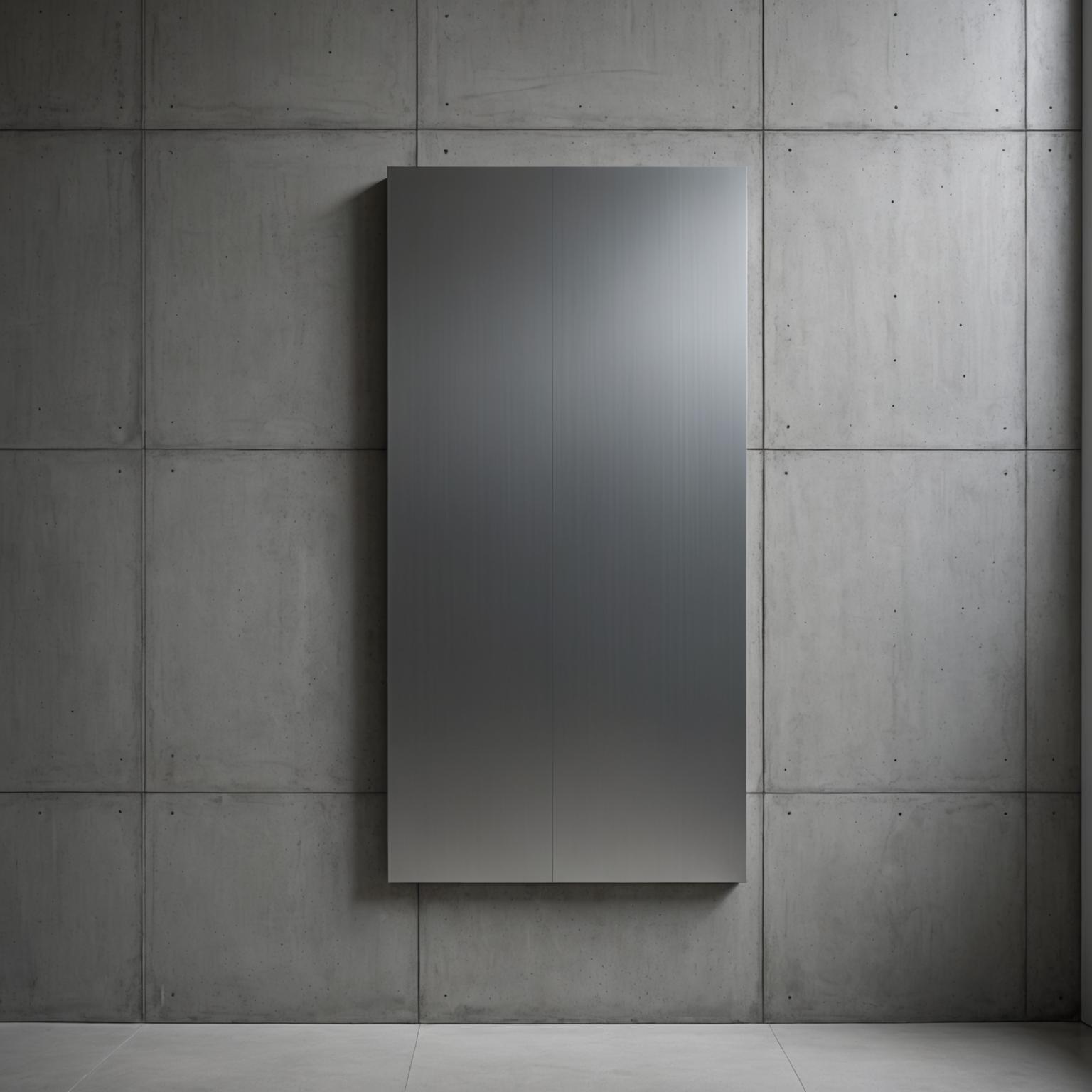
A Tale of Two Alloys: Introducing 201 and 304 Stainless Steel
To understand their performance under stress, we first need to recognize what sets 201 and 304 stainless steel apart. Stainless steel is not a single material but a family of iron-based alloys containing a minimum of 10.5% chromium. This chromium creates a passive, self-repairing oxide layer on the surface that prevents rust and corrosion. Grade 304 is often considered the industry workhorse. As part of the 300 series of austenitic stainless steels, it contains high levels of both chromium (around 18%) and nickel (around 8%). This composition gives it excellent corrosion resistance, durability, and, most importantly for this discussion, outstanding formability. It's the material of choice for high-quality kitchen appliances, like the sleek Fisher & Paykel PlateWarmer, where complex shapes and a premium finish are required.
Grade 201, on the other hand, belongs to the 200 series. It was developed as a lower-cost alternative to 304, particularly during times of nickel price volatility. To achieve this cost reduction, some of the expensive nickel is replaced with manganese and nitrogen. While 201 stainless steel is still a robust and useful material, this change in its chemical recipe fundamentally alters its mechanical behavior.
The Chemical Story: Nickel's Role in Ductility
The primary reason 201 is more prone to crack than 304 is its lower nickel content. Nickel is a powerful austenite stabilizer. Austenite is a specific crystalline structure of steel that is non-magnetic, strong, and highly ductile. Ductility is a measure of a material's ability to be stretched or deformed without fracturing. The higher nickel content in 304 stainless steel (8-10.5%) creates a very stable austenitic structure, allowing the metal to be extensively stretched, bent, and deep-drawn into complex shapes with a low risk of cracking. In contrast, 201 stainless steel has a much lower nickel content (3.5-5.5%). With less nickel to stabilize the austenite, the material is inherently less ductile and more resistant to stretching. This makes it a less forgiving material during fabrication processes that involve significant deformation.
The Science of Bending: Work Hardening Explained
Another critical factor is a phenomenon known as work hardening, or strain hardening. When you bend or deform a metal, you are changing its internal grain structure, which makes it harder and stronger but also reduces its ductility, making it more brittle. This is where the difference between 201 and 304 becomes stark. Due to its higher levels of manganese and nitrogen, 201 stainless steel has a significantly higher work hardening rate than 304. As soon as you begin to bend a piece of 201, it hardens very quickly. This rapid increase in hardness means it reaches its limit for plastic deformation much sooner. If the bending process continues past this point, the material can no longer stretch and will instead fracture. This explains why tight radii or complex bends are so challenging with 201. In comparison, 304's lower work hardening rate allows it to remain ductile for longer, accommodating more significant stress and strain before it becomes brittle enough to crack.
Making the Right Choice for Your Project
Choosing between these two grades comes down to the specific demands of the application. The central issue of why is 201 more likely to fail during forming dictates its use cases. Grade 201 is a perfectly suitable option for applications that require minimal bending, such as flat panels or components with very gentle curves. Its lower cost makes it an attractive choice for budget-conscious projects where high formability and extreme corrosion resistance are not primary concerns. However, for products demanding intricate shapes, deep drawing, or sharp bends—such as high-end sinks, cookware, or precisely formed architectural pieces like a Brushed Platinum Wall Panel—304 is the superior and safer choice. Its excellent formability ensures that complex designs can be realized without the risk of material failure, resulting in a higher quality and more durable end product. Investing in the right material upfront prevents manufacturing setbacks and guarantees the structural integrity and aesthetic appeal of the final piece.