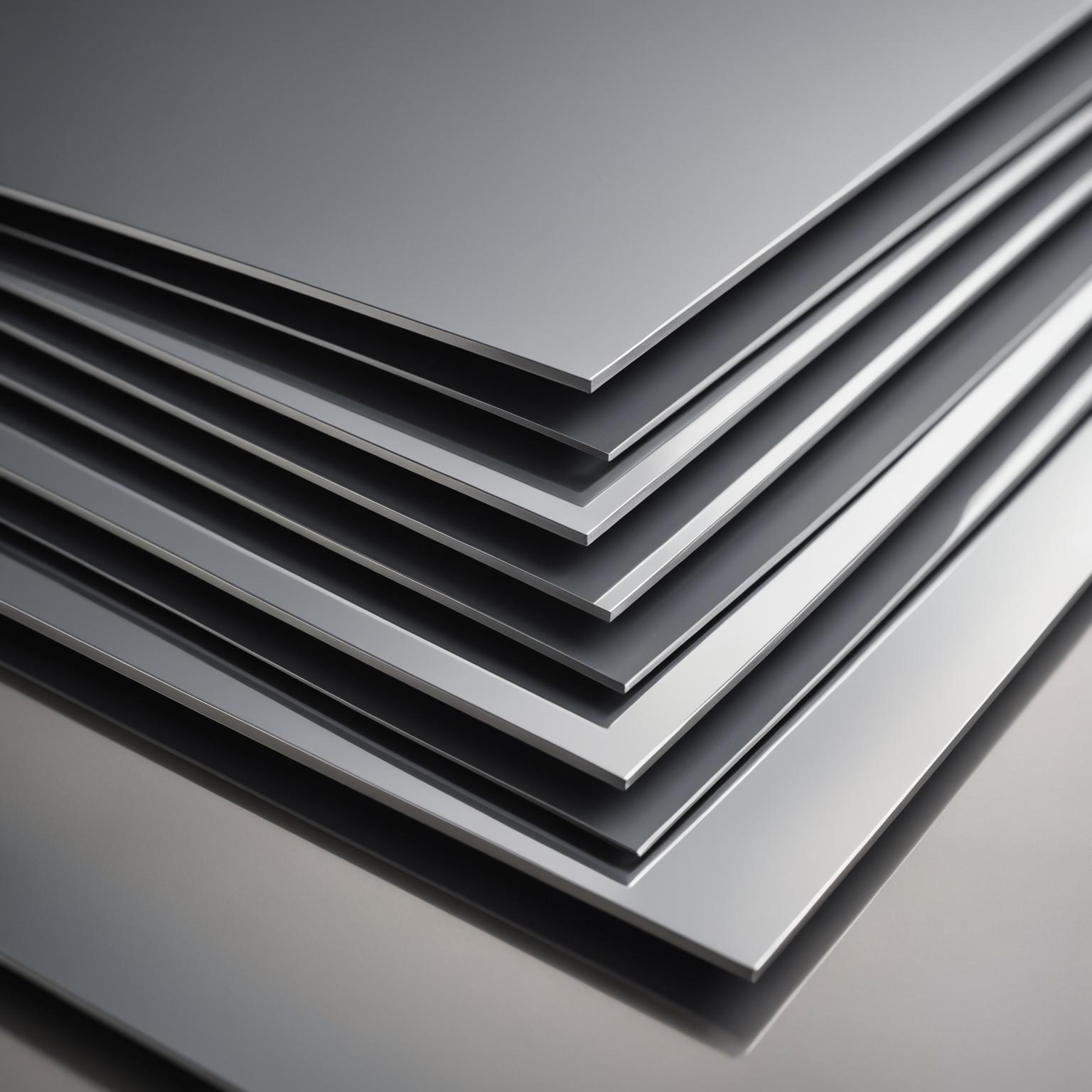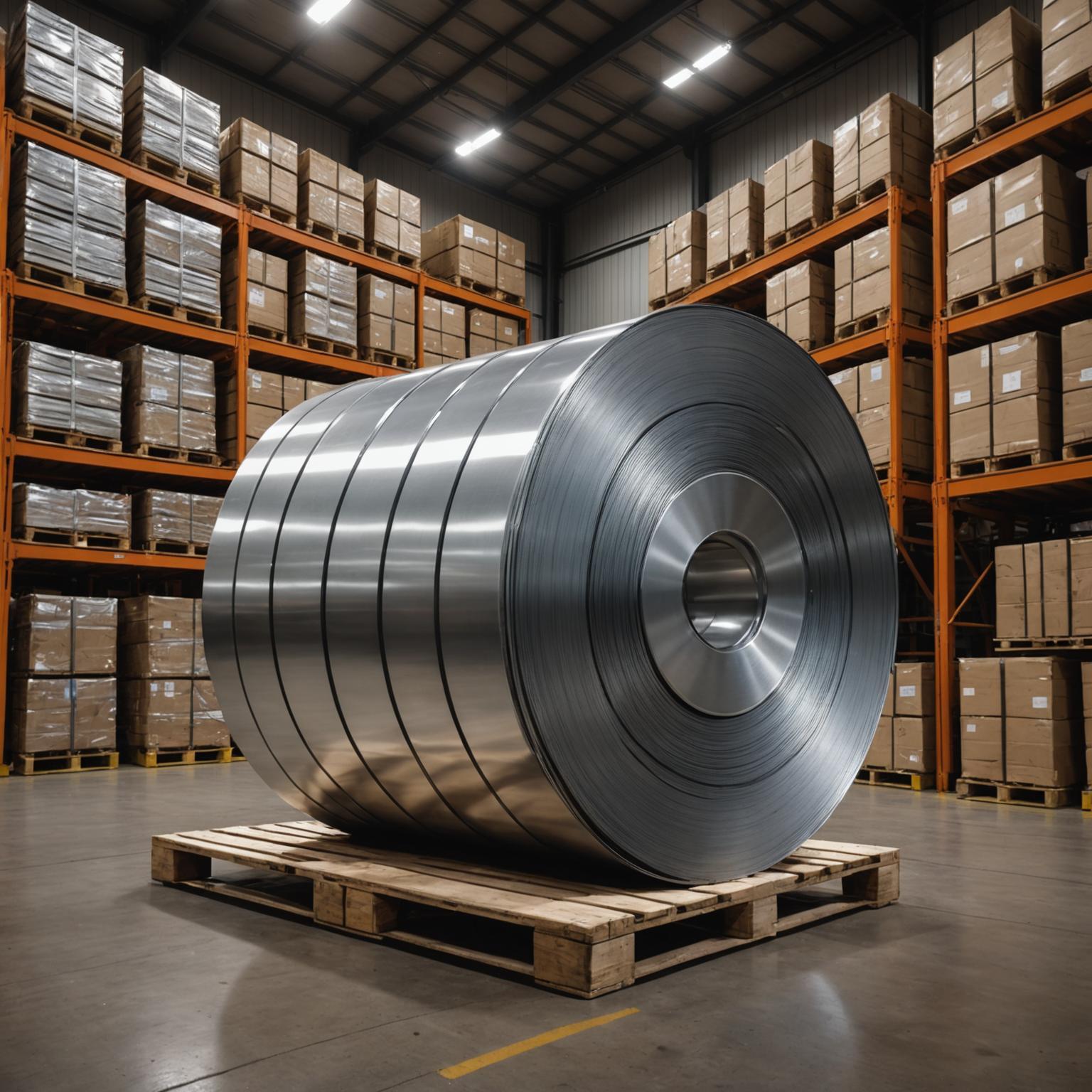


Stainless steel coils are the foundation of countless modern industries, prized for their strength, corrosion resistance, and pristine surface finish. From automotive body panels to architectural marvels, the value of these coils lies in their impeccable quality. However, this value can be quickly diminished if the material is not handled and protected correctly during shipping and storage. Therefore, understanding and implementing robust stainless steel coil packing methods is not just a logistical detail—it is a critical process for preserving product integrity, ensuring customer satisfaction, and protecting a significant financial investment. This guide will walk you through the essential steps and materials required for properly packing stainless steel coils to shield them from mechanical and environmental damage.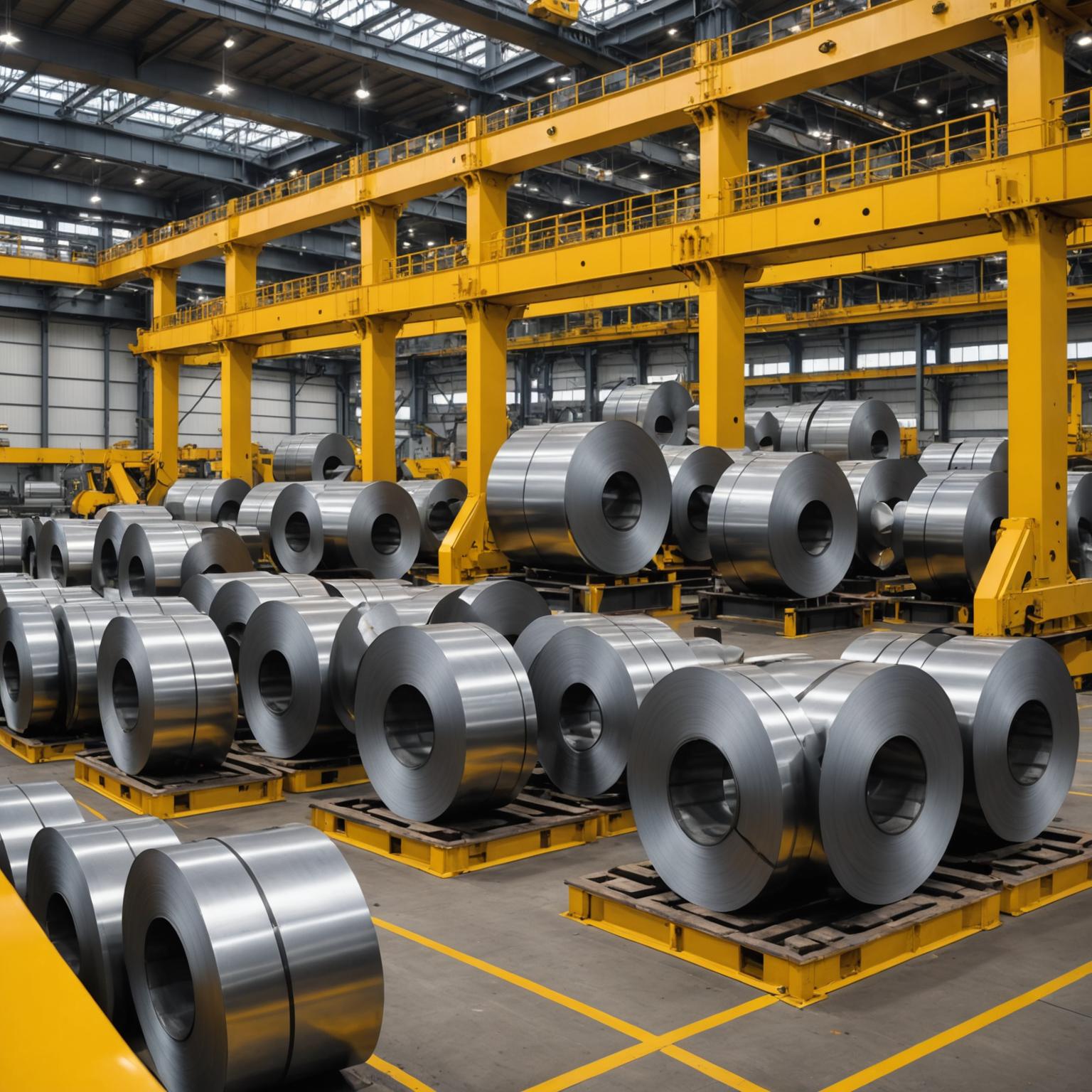
Why Professional Packing is Non-Negotiable
Before diving into the 'how,' it's crucial to understand the 'why.' Stainless steel coils are vulnerable to a variety of risks during transit. Mechanical damage, such as dents, scratches, and edge deformation, can occur from impacts, improper handling, or vibrations. These imperfections can render a portion, or even the entire coil, unusable for precision applications. Equally damaging is environmental exposure. Moisture, humidity, and salt spray can lead to surface corrosion or rust, compromising both the aesthetic and structural qualities of the steel. Contaminants like dust and chemicals can also tarnish the surface finish. Effective packing creates a multi-layered defense system that mitigates these risks, ensuring the coil arrives at its destination in the same perfect condition it left the factory.
Step-by-Step Guide to Inner Protection
The packing process begins from the inside out, focusing first on the most sensitive surfaces. The initial step involves protecting the inner diameter (ID) and the first few wraps of the coil. An ID protector, often a sturdy cardboard or plastic ring, is inserted into the eye of the coil. This prevents the inner edge from collapsing or being damaged during handling. Following this, the entire surface of the coil is typically wrapped with a protective film. The most effective choice is often Volatile Corrosion Inhibitor (VCI) paper or film. VCI materials release a harmless, invisible vapor that forms a microscopic protective layer on the metal's surface. This layer interrupts the electrochemical process that causes rust, providing powerful protection against moisture and humidity without leaving any residue.
Building the Outer Defensive Layers
With the inner surfaces secured, the next stage involves building robust external protection. The first layer applied over the VCI film is usually a waterproof material designed to provide a physical barrier against moisture. Thick, waterproof kraft paper or a durable woven plastic fabric (like HDPE) are common choices. This layer also adds a degree of puncture and tear resistance. Following the waterproof wrap, attention turns to the most vulnerable parts of the coil: the edges. Hardboard, plastic, or metal edge protectors are placed around the outer and inner circumferences. These protectors absorb impact energy and distribute pressure from strapping, preventing dents and maintaining the coil's perfect circular shape. This multi-material approach ensures comprehensive coverage against a wide range of potential hazards.
Creating a Hard Shell for Maximum Security
For the highest level of protection, especially for international shipping or long-term storage, a final hard outer shell is added. This shell provides significant structural reinforcement and shields the coil from heavy impacts. A full metal wrapper, often made of galvanized steel, is wrapped around the entire circumference of the coil. This steel 'casing' is then secured tightly, creating a durable armor that seals the inner packing layers. This step in the stainless steel coil packing methods is essential for safeguarding the product's value. Once encased, the coil is ready for final securing and labeling, making it a self-contained, highly protected unit ready for its journey.
Final Strapping, Palletizing, and Labeling
The final step is to secure the packaged coil for handling and transport. This is typically done by placing the coil on a custom-built pallet or skid, usually made of robust wood or steel. The coil is oriented 'eye-to-sky' (with the hole facing upwards) to ensure stability. Wooden blocks or chocks are often nailed to the pallet around the base of the coil to prevent any movement. High-tensile steel or polyester straps are then used to secure the package. At least two circumferential straps are applied to keep the outer wrapping tight, and two to four radial straps are passed through the eye of the coil and around the pallet to firmly anchor it in place. Finally, clear labels are affixed, detailing the coil's specifications, weight, handling instructions, and destination. This meticulous process ensures the stainless steel coil is safe, stable, and ready for efficient handling by cranes and forklifts, arriving at its final destination in flawless condition.