

Understand the difference: 316 vs 316L stainless steel
Stainless steel is respected for its unrivalled durability, corrosion resistance and versatility, but decisions between different varieties often put the industry in trouble. The most controversial options are 316 and 316L stainless steel - which one is suitable for your needs? Whether you choose the material for stainless steel pipes or build a high-pressure system, it is crucial to understand the nuances between these two levels. 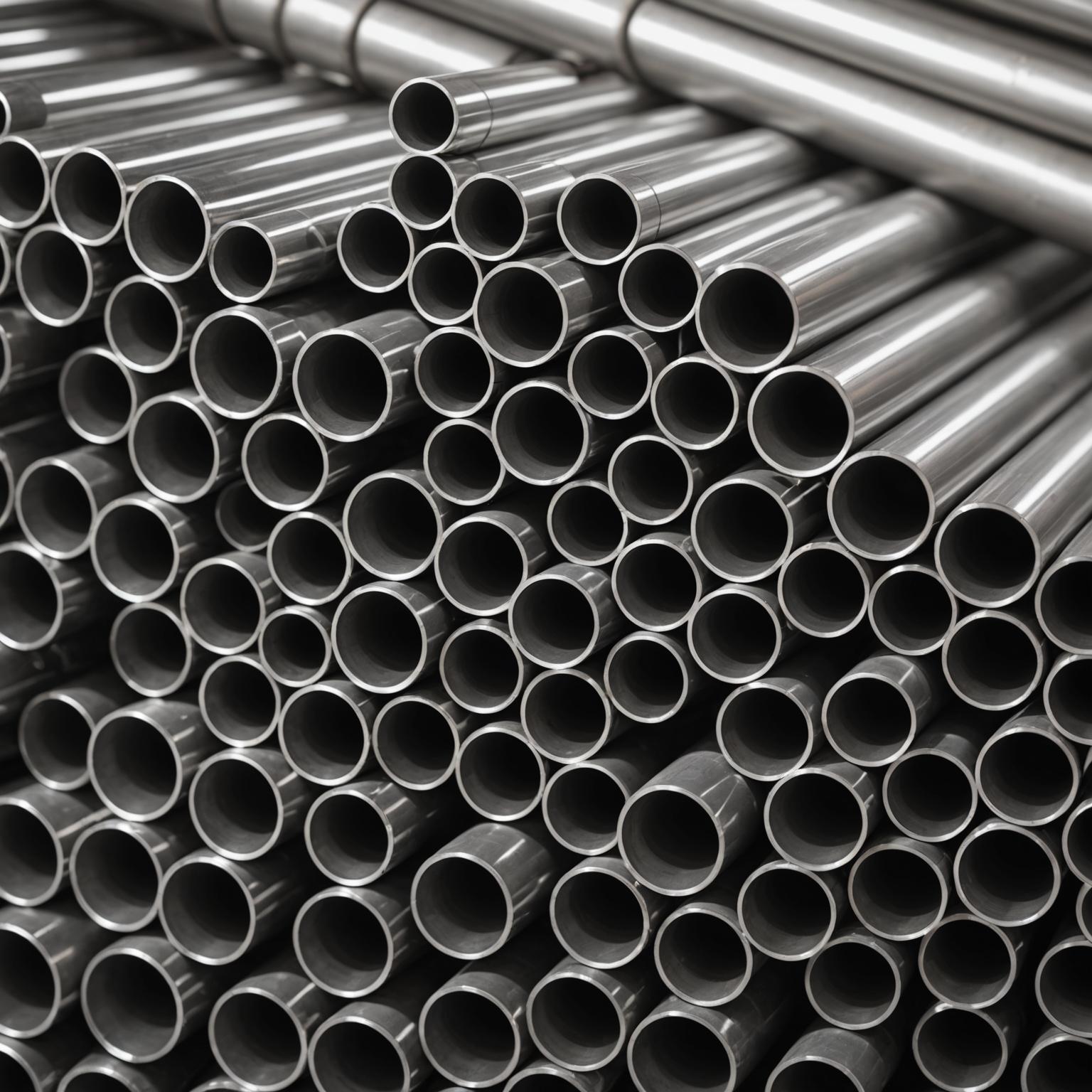
316 and 316L stainless steel both belong to the 300 series and are known for their special resistance to industrial and environmental pressures. The key difference is their carbon content. 316 stainless steel contains slightly higher carbon content, while 316L uses a "low carbon" content (and therefore "L'), making it fragile and especially effective in welding applications. Choosing the right grade not only ensures structural integrity but also determines the performance of stainless steel pipes under harsh conditions.
Problem: Corrosion and Welding Challenges
Industry that rely on stainless steel products often face the challenge of corrosion, especially in environments exposed to high salinity, extreme temperatures or aggressive chemicals. In applications such as marine engineering or chemical processing plants, choosing the wrong grade of stainless steel can lead to premature damage or failure.
In addition, welding considerations often complicate material selection. When welding standard stainless steel pipes, they tend to develop “sensitization”, a phenomenon in which carbide carbides are formed at the grain boundaries, thereby reducing corrosion resistance. For industries that require seamless connection in hydraulic systems or fluid transport applications, material brittleness and wear can also affect long-term durability.
The complexity of these problems requires a tailored solution that aligns with high performance, lifespan and technical accuracy. Despite their shared benefits, knowing when relying on 316 vs 316L stainless steel can achieve or destroy the success of your project.
Solution: Take advantage of precisely designed stainless steel pipes
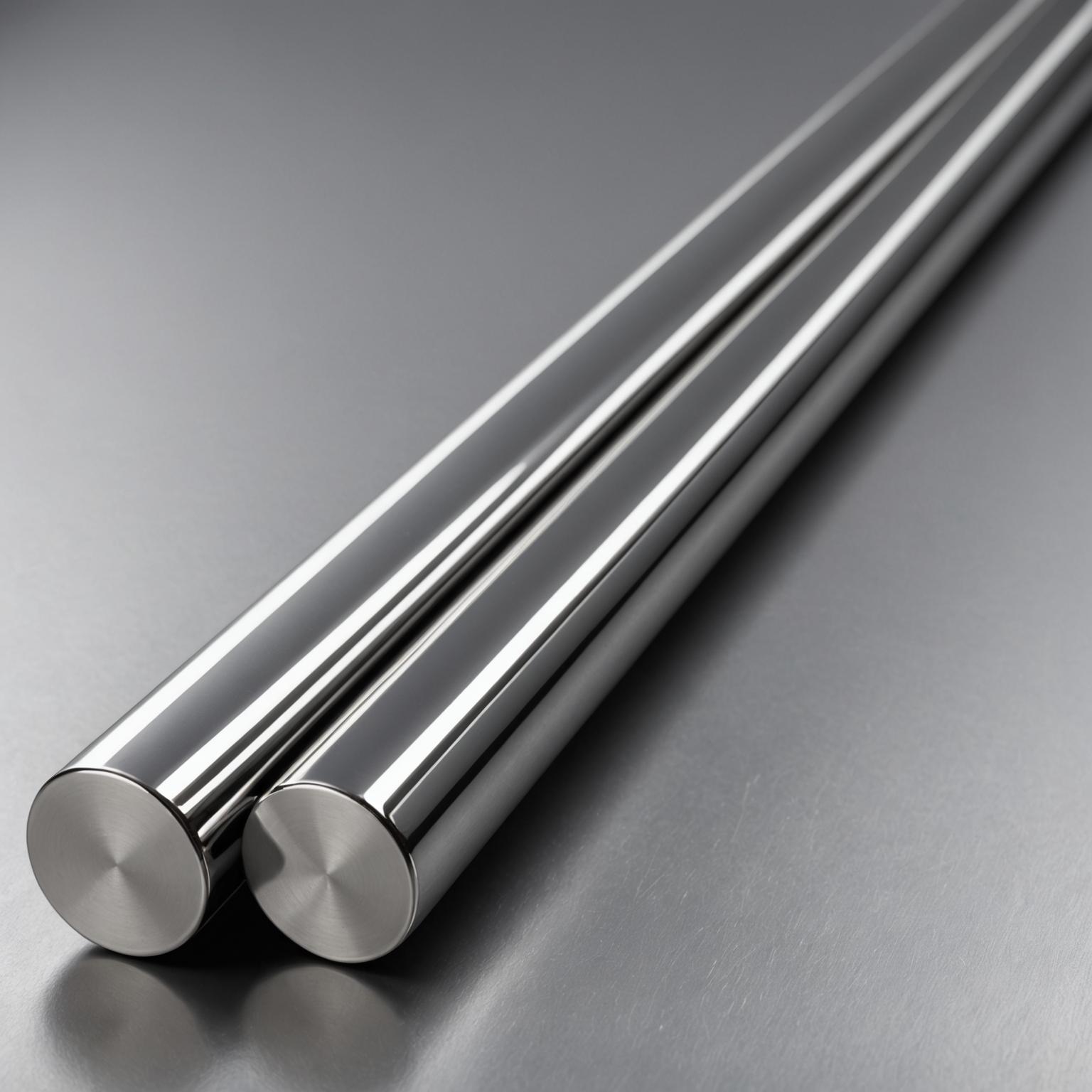
For industries that are struggling with corrosion, welding challenges and strict performance standards, the precisely designed stainless steel oil pipes are integrated from 316 or 316 liters. These advanced grades combine durability with elegant aesthetics, making them versatile in multiple applications (from aerospace engineering to architectural design and hydraulic systems).
316 stainless steel provides high strength and high resistance to corrosion on etching and crevice. Its high carbon content makes it suitable for demanding industrial applications where toughness and durability are crucial. On the other hand, 316-liter stainless steel is suitable for application and requires a lower risk of long-term corrosion. Its low carbon composition ensures less carbide and eliminates the risk of sensitization.
In fluid delivery systems, the consistent inner diameter of stainless steel pipes achieves optimal flow dynamics, minimizing pressure drop and turbulence. Microscopic attention to accuracy ensures tight tolerances and seamless fit, providing reliability and performance under extreme conditions.
Main benefits of stainless steel pipes for industrial applications
Advanced stainless steel oil pipes provide unparalleled advantages for the industry striving for excellence. This is why you should consider your next project:
1. **Special corrosion resistance**:
These pipes are made of high-quality stainless steel and are ideal for environments that are frequently exposed to moisture, aggressive chemicals or abrasive conditions. Whether you are in the marine industry or managing chemical transport systems, they ensure reliability.
2. **Durability in extreme conditions**:
Both 316 and 316L withstand high temperatures and exhibit excellent tensile strength. They are resistant to wear and tear even in harsh environments, making them ideal for high-pressure systems and hydraulic applications.
3. **Verifiability in applications: **
From aeronautical engineering and industrial design to architectural masterpieces, high-quality stainless steel oil pipes work effortlessly to a variety of projects. Customizable sizes and finishes make these pipes the gold standard for customization and large-scale innovation.
4. **Aesthetic Appeal**:
Polished, glittering surface surface not only attracts visual attention, but also adds a layer to prevent external damage. Its stylish design makes it suitable for exposed applications such as modern furniture or simple interiors.
5. **Environmental Manufacturing**:
These stainless steel products are made of recyclable materials, demonstrating a commitment to sustainability, thereby promoting an environmentally conscious production process.
The importance of choosing the right supplier
While the decision to 316 liters to 316 liters of stainless steel ultimately depends on your specific application, access to precisely designed stainless steel pipes will change your project. With tight tolerances, customizable specifications and seamless connection, these tubes meet stringent manufacturing standards without damaging aesthetic appeal.
The future of industrial processes lies in finding materials that integrate formation and function. Quality stainless steel pipes not only promise elasticity and performance; they enhance the design integrity of any project they participate in. When choosing a supplier, prioritize companies that are committed to providing high-quality stainless steel pipes that meet industry benchmarks.
Conclusion
Whether you are engaged in marine applications, architectural design or industrial engineering, choosing 316-liter stainless steel to 316-liter stainless steel is crucial to ensuring the success of your project. With precisely designed stainless steel pipes, the industry can solve challenges related to corrosion, welding sensitization and structural reliability.
Reliable, robust and significantly perfect, stainless steel oil pipes are a transformative solution that combines life with stylish aesthetics. Explore possibilities and enhance your project using materials designed to be seamlessly executed in a variety of applications. With the right choice, you can not only build structures, but also create the future of modern engineering.