

When embarking on a new project, whether it's for an industrial application, architectural design, or a custom fabrication, material selection is one of the most critical decisions you'll make. In the world of metals, the debate over 304 vs 316 stainless steel sheet is a common one, and for good reason. Both materials are part of the austenitic family of stainless steels and are known for their strength, durability, and clean appearance. However, subtle differences in their chemical composition lead to significant variations in performance, making one a better fit over the other depending on the specific demands of your environment. Answering the question 'Which is Better for Your Project?' requires a clear understanding of what sets these two popular grades apart.
Understanding the Basics of Stainless Steel
Before diving into a direct comparison, it's helpful to understand what makes stainless steel 'stainless.' At its core, stainless steel is an iron alloy that contains a minimum of 10.5% chromium. This chromium is the key ingredient that provides its remarkable corrosion resistance. When exposed to oxygen, the chromium forms a thin, invisible, and self-healing layer of chromium oxide on the surface of the steel. This passive layer acts as a barrier, protecting the underlying iron from rust and corrosion. Different grades of stainless steel are created by adding other elements, such as nickel, manganese, and molybdenum, to enhance specific properties like formability, strength, and resistance to particular types of corrosion.
A Closer Look at 304 Stainless Steel
Grade 304 is the most widely used stainless steel in the world, often referred to as '18/8' due to its typical composition of 18% chromium and 8% nickel. This composition gives it excellent forming and welding characteristics, making it a versatile and economical choice for a vast range of applications. It offers solid corrosion resistance against most oxidizing acids and can withstand the rigors of many everyday environments. You will commonly find 304 stainless steel in kitchen equipment like sinks and appliances, food and beverage processing machinery, storage tanks, automotive trim, and architectural paneling for indoor or mild outdoor settings. Its combination of performance, workability, and cost-effectiveness has made it a staple in countless industries.
The Power of Molybdenum in 316 Stainless Steel
The primary distinction of grade 316 stainless steel is the addition of molybdenum, typically in the range of 2% to 3%. While it may seem like a minor change, this element dramatically enhances the material's corrosion resistance, particularly against chlorides and other industrial solvents. This increased resistance makes 316 the superior choice for environments where exposure to salt is a concern. For this reason, it is often called 'marine-grade' stainless steel. Its applications are more specialized and demanding, including boat fittings, coastal architectural elements like railings and facades, chemical processing equipment, medical and surgical implants, and pharmaceutical manufacturing facilities. The molybdenum provides a robust defense against pitting and crevice corrosion, ensuring longevity in harsh conditions where 304 would eventually fail.
Key Differences: 304 vs 316 Stainless Steel Sheet
To make an informed decision, it's best to compare the two grades on the factors that matter most. The most significant difference is corrosion resistance; 316 is unequivocally superior, especially against chlorides and acidic compounds. This enhanced protection, however, comes at a price. The addition of molybdenum makes 316 stainless steel more expensive than 304. In terms of mechanical properties, both grades are very similar in strength, toughness, and hardness at ambient temperatures. They also both exhibit excellent weldability and formability, although some fabricators find 304 to be slightly easier to form and draw. The decision between them rarely comes down to mechanical strength but almost always centers on the balance between environmental exposure and budget.
How to Decide: Which is Better for Your Project?
Now we return to the central question. The right choice is entirely dependent on the application's specific needs. You should select 304 stainless steel if your project will be situated indoors or in a non-saline, low-corrosion environment. If budget is a primary constraint and the component will not be exposed to harsh chemicals or de-icing salts, 304 provides more than adequate performance and is the more economical option. It is the go-to material for general-purpose applications where exceptional corrosion resistance is not the number one priority. Conversely, you must select 316 stainless steel if your project will face exposure to saltwater, coastal air, de-icing salts, or aggressive chemical solutions. For any marine application, outdoor coastal construction, or equipment for chemical and pharmaceutical plants, the higher initial cost of 316 is a necessary investment to prevent premature failure and ensure long-term durability and safety.
Considering Finishes and Variants
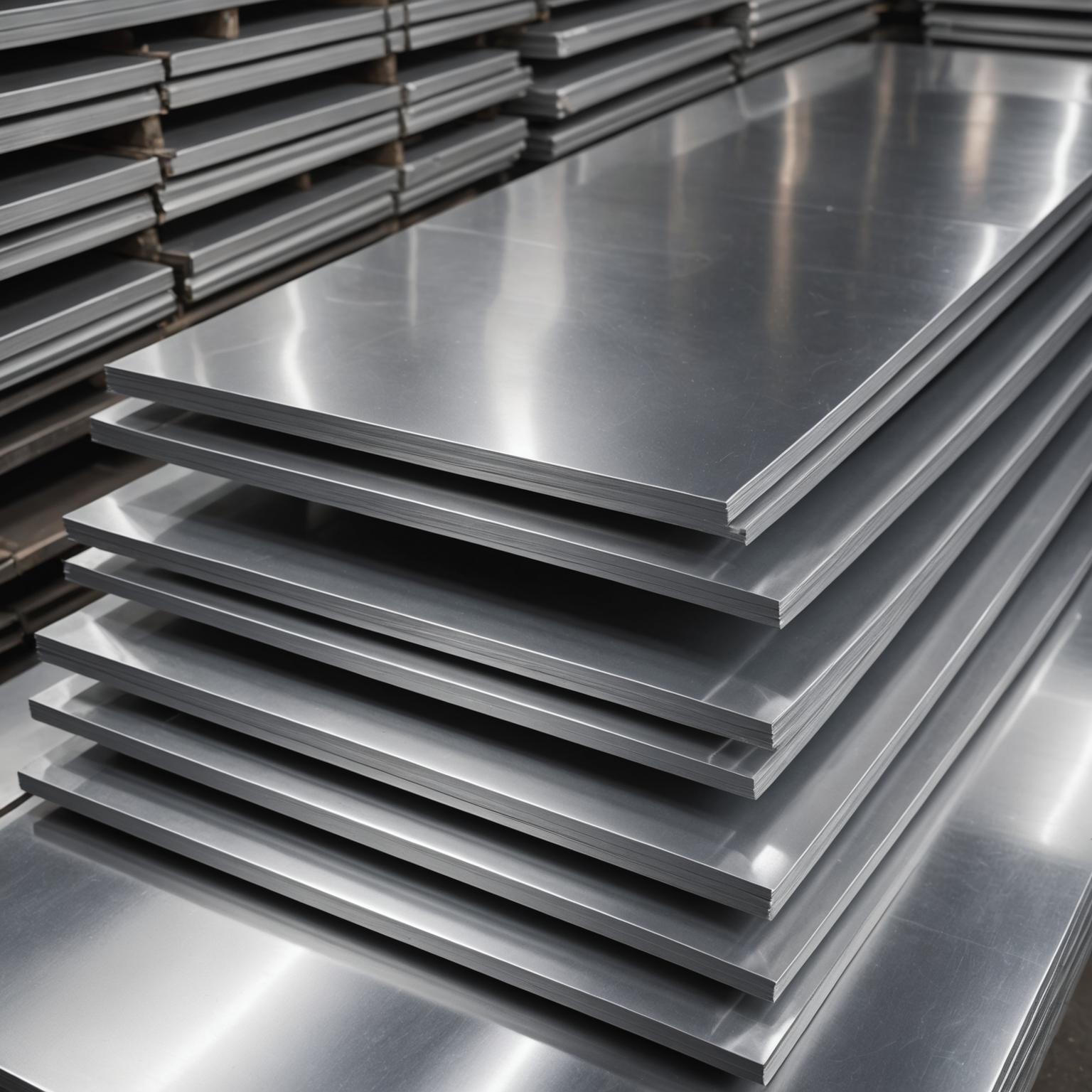
Beyond the base grade, both 304 and 316 stainless steel sheets are available in low-carbon variants, designated as 304L and 316L. The lower carbon content improves weldability by minimizing carbide precipitation at the weld seams, which can reduce corrosion resistance. Furthermore, the finish of the sheet can play a role in both aesthetics and performance. A standard 2B finish is smooth and moderately reflective, suitable for most industrial uses. For more demanding aesthetic applications, a brushed or polished finish can provide a stunning look, as seen in high-end appliances and architectural accents. A smoother, more polished surface can also offer slightly better corrosion resistance, as it leaves fewer microscopic crevices where corrosive agents can accumulate. Making the right choice in the 304 vs 316 stainless steel sheet dilemma ensures your project not only looks the part but stands the test of time, performing reliably for years to come.