

Choosing the right sink is a pivotal decision in any kitchen renovation or build, setting the tone for both aesthetics and functionality. For homeowners seeking a blend of durability, hygiene, and timeless style, the 304 gauge stainless sink stands out as a superior choice. This guide will walk you through everything you need to know about selecting, installing, and maintaining this essential kitchen fixture, ensuring you make an investment that lasts for years. When considering top-tier options, brands like Span International offer exceptional craftsmanship and innovative designs that elevate any culinary space.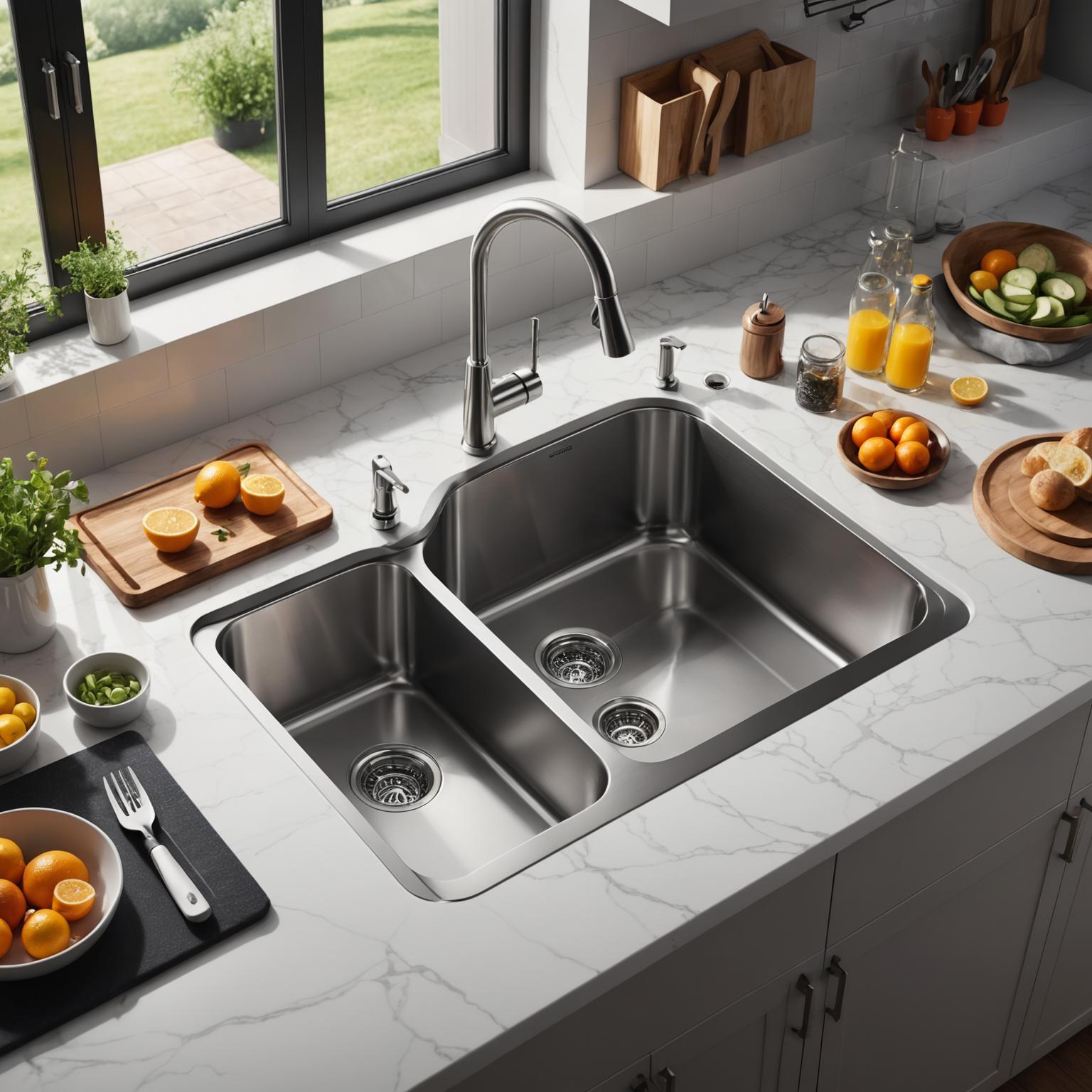
Understanding 304 Stainless Steel and Gauge
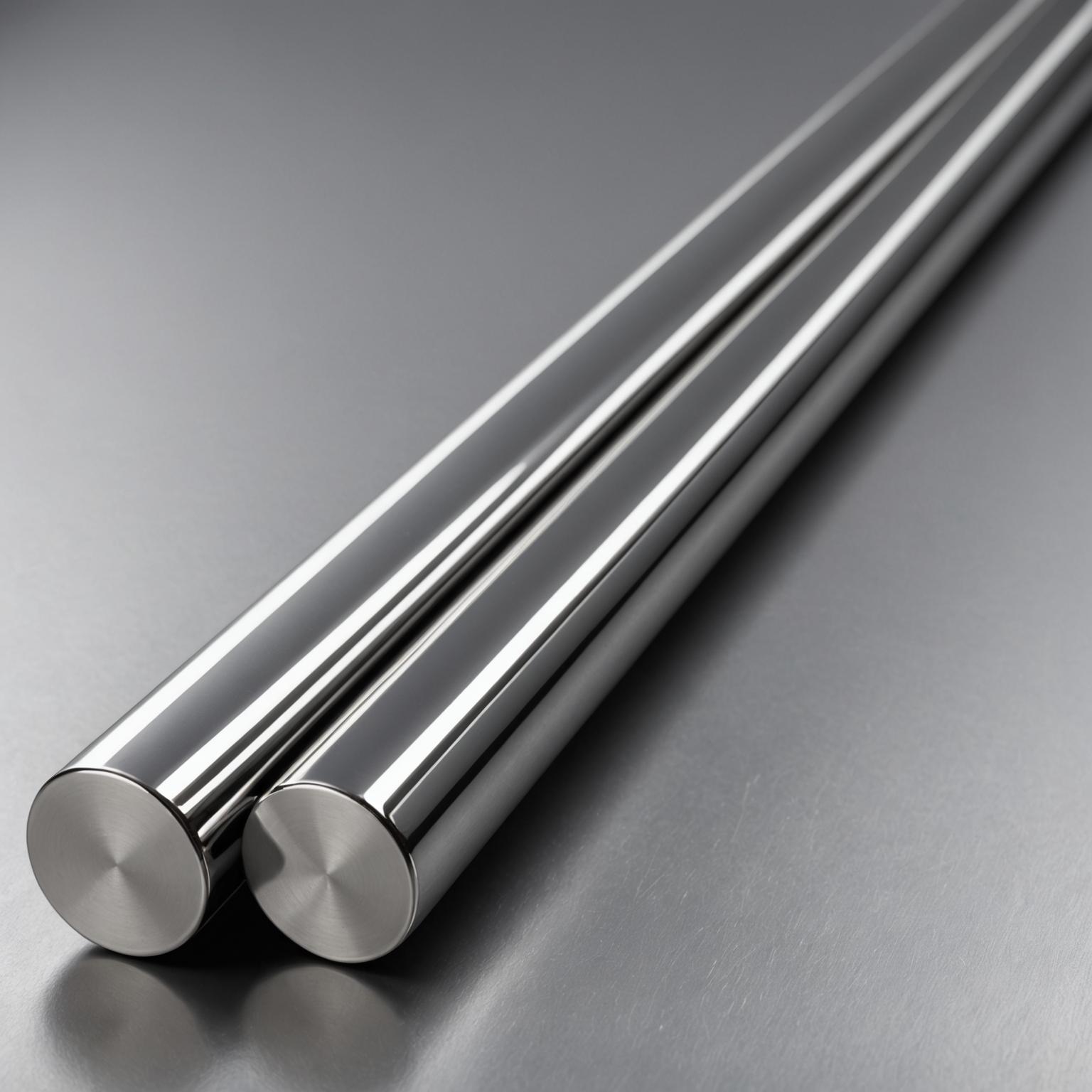
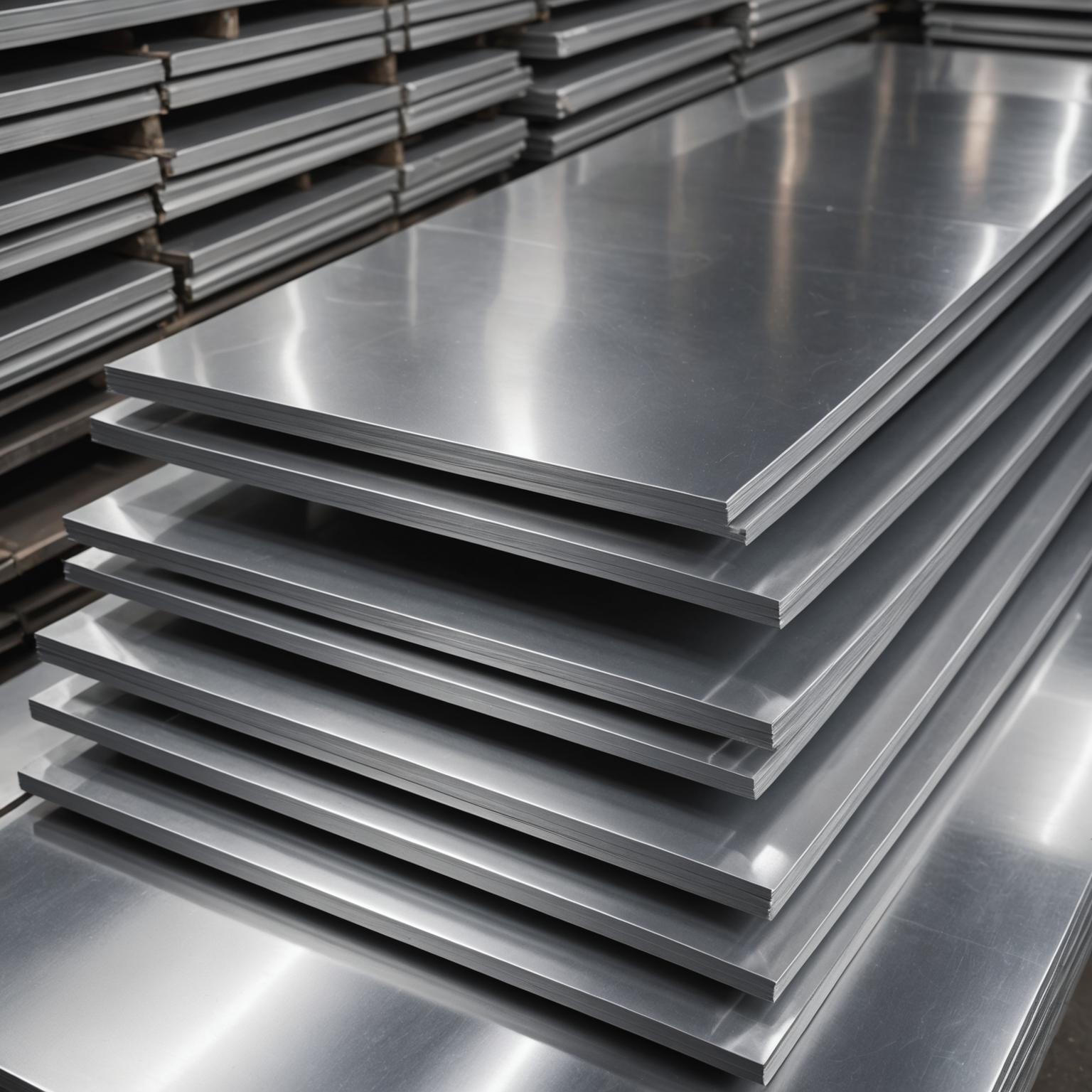
Before diving into features, it's essential to understand what makes this type of sink so special. The '304' refers to the grade of stainless steel, which is one of the most common and versatile types available. It's an austenitic steel containing approximately 18% chromium and 8% nickel, often referred to as 18/8 stainless steel. This specific composition is what gives it its remarkable resistance to corrosion and rust. Unlike lower-quality materials, 304 stainless steel is non-porous, meaning it won't harbor bacteria, making it an incredibly hygienic surface for food preparation. The 'gauge' refers to the thickness of the steel. In the world of sinks, a lower gauge number means thicker steel. Most residential kitchen sinks range from 16 to 22 gauge. A 16 or 18-gauge sink is considered premium, offering better sound insulation against clanging pots and pans, greater resistance to denting, and an overall more solid feel. A 304 gauge stainless sink, therefore, combines the best material grade with optimal thickness for a product that is built to withstand the rigors of a busy kitchen.
Essential Features of a Modern Stainless Steel Sink
A modern sink is more than just a basin for washing dishes; it’s a multifunctional workstation. When selecting your model, consider the configuration that best suits your needs. A spacious single-bowl design is perfect for washing large pots, pans, and baking sheets without hassle. Its deep basin minimizes splashing and provides an uninterrupted workspace. Alternatively, a dual-basin sink from a quality provider like Span International offers versatility for multitasking, allowing you to soak dishes on one side while prepping vegetables on the other. Look for sinks with integrated features that enhance efficiency. Some models come with an elevated prep area, complete with a removable tray and drainage grooves, creating the perfect spot for rinsing produce while saving valuable counter space. The faucet is another critical component. A high-arched, gooseneck faucet provides ample clearance for filling tall pitchers, while a single-lever control offers effortless temperature and flow adjustment. Some premium combos even include a secondary nozzle for filtered water or an integrated soap dispenser to reduce countertop clutter and maintain a clean, streamlined look.
A Step-by-Step Guide to Installation
While we always recommend professional installation for the best results, a confident DIYer can tackle the job. This guide provides a general overview of the process. First, prepare your workspace by turning off the water supply lines and clearing everything from under the sink. Have your tools ready, including an adjustable wrench, plumber's putty or silicone caulk, and a bucket. Next, disconnect the plumbing, including the P-trap, drain lines, and water supply lines. Use a wrench to loosen the clips holding the old sink to the countertop, then carefully lift it out. Clean the countertop opening thoroughly, removing any old putty or caulk. Apply a bead of plumber's putty or silicone caulk around the edge of the sink's underside or directly onto the countertop opening. Carefully lower your new 304 gauge stainless sink into place, pressing down firmly to create a watertight seal. From underneath, install and tighten the mounting clips. Now, you can install the faucet, drain assembly, and soap dispenser according to the manufacturer's instructions. Reconnect the drain lines and water supply lines, ensuring all connections are tight. Finally, turn the water back on and check meticulously for any leaks around the faucet, drain, and supply lines. Let the caulk cure for at least 24 hours before heavy use.
Maintaining the Beauty of Your Sink
One of the greatest advantages of a high-quality stainless steel sink is its ease of maintenance. With proper care, it will retain its luster for a lifetime. For daily cleaning, simply rinse the sink with warm water and wipe it down with a soft cloth and mild dish soap. To prevent water spots, especially in areas with hard water, dry the sink with a microfiber cloth after each use. For a deeper clean, create a paste of baking soda and water. Apply it to the sink, gently scrub in the direction of the steel's grain with a soft sponge, and rinse thoroughly. Avoid using harsh abrasive cleaners, steel wool, or scouring pads, as these can scratch the surface. Also, steer clear of chlorine bleach, which can damage the protective layer of the stainless steel. It's also wise not to let wet sponges, acidic foods like citrus, or salty liquids sit in the sink for extended periods. Following these simple steps will ensure your investment continues to be the sparkling centerpiece of your kitchen.
Why a High-Quality Sink is a Worthwhile Investment
Ultimately, a kitchen sink is one of the most used fixtures in a home. Investing in a high-quality 304 grade stainless steel model from a reputable brand like Span International pays dividends in the long run. It offers unmatched durability against chipping and cracking, superior hygiene for a healthier home, and a timeless aesthetic that complements any design scheme. From its functional prowess as a multi-zone workstation to its elegant form, a well-chosen sink enhances your daily kitchen routines and adds significant value to your home. By understanding the materials, choosing the right features, and committing to simple maintenance, you can enjoy the benefits of this kitchen workhorse for decades to come.