

In any healthcare setting, particularly in an operating room, the choice of materials is not a matter of preference but a critical decision that directly impacts patient safety and infection control. The surfaces that come into contact with patients, instruments, and medical staff must meet the highest standards of hygiene and durability. This guide focuses on the cornerstone material for operating room furniture: the medical grade stainless steel sheet, and explains why it is the undisputed champion for constructing high-quality surgical tables that form the foundation of a sterile environment.
Understanding Medical Grade Stainless Steel
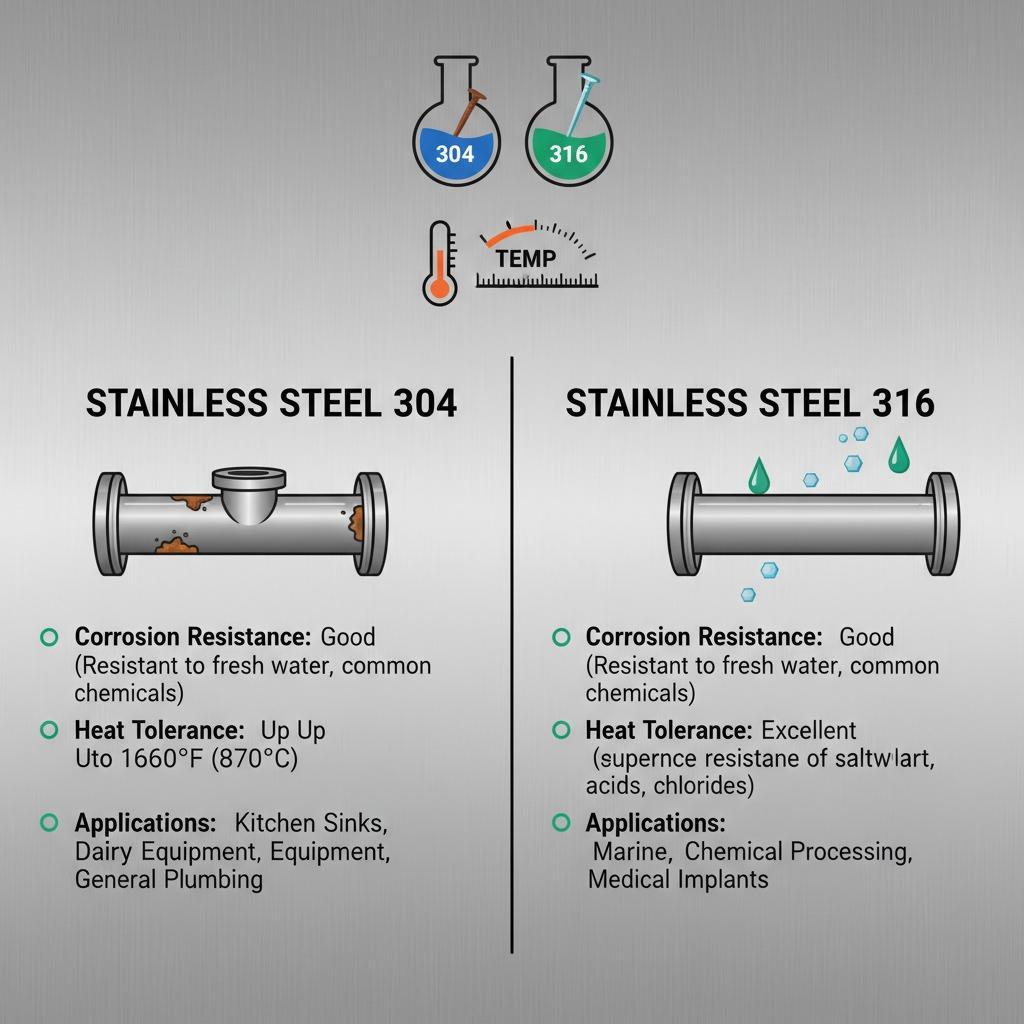
Before delving into its applications, it's essential to understand what qualifies stainless steel as "medical grade." This designation isn't given lightly. It refers to specific alloys that exhibit high corrosion resistance and are easily sanitized. The most common types used in medical applications are Type 304 and Type 316L stainless steel. Type 304 is a versatile and widely used alloy known for its excellent strength and corrosion resistance. However, for applications with higher exposure to chlorides and corrosive agents, such as saline solutions, Type 316L is often preferred. The addition of molybdenum in 316L provides superior resistance to pitting and crevice corrosion, making it an even more robust choice for demanding medical environments. The key characteristic of these alloys is their non-porous surface, which denies bacteria, viruses, and fungi a place to reside and multiply, a critical feature for any material used in surgery.
The Unbeatable Advantages for Surgical Tables
There are several compelling reasons why stainless steel is the gold standard for manufacturing surgical tables and other medical equipment. Its properties align perfectly with the strict requirements of a sterile field. First and foremost is its cleanability. The smooth, non-porous surface can be thoroughly cleaned and disinfected with a wide range of aggressive chemical sterilants without degrading, discoloring, or breaking down. It can also withstand repeated high-temperature sterilization processes like autoclaving. Secondly, its durability is unparalleled. Operating rooms are high-traffic, demanding environments. The material must resist impacts, scratches, and stains that could compromise its surface integrity and create havens for pathogens. Stainless steel possesses high tensile strength and a natural hardness that ensures the equipment remains functional and hygienic for years, providing an excellent return on investment. This durability is essential for maintaining the stability and reliability of surgical tables under various operational stresses.
How to Choose the Right Medical Grade Stainless Steel Sheet
Selecting the appropriate material for medical equipment involves more than just choosing an alloy. When sourcing a medical grade stainless steel sheet for fabrication, several factors must be considered. The first is the specific grade, deciding between 304 and 316L based on the expected exposure to corrosive elements. The second critical factor is the surface finish. A smoother, non-reflective finish, such as a 2B or a polished #4 finish, is ideal because it is easier to clean and visually inspect for contamination. A rough or overly textured surface can harbor microscopic debris. The thickness, or gauge, of the sheet is another vital consideration. A thicker gauge provides greater structural integrity and load-bearing capacity, which is crucial for heavy-duty surgical tables designed to support patients and equipment safely. Finally, the quality of fabrication is paramount. When these sheets are formed into equipment, welds must be seamless, polished, and free of cracks or crevices. Corners should be rounded to eliminate sharp edges and difficult-to-clean joints, ensuring the final product maintains a completely hygienic surface.
Proper Care and Maintenance for Stainless Steel Surgical Equipment
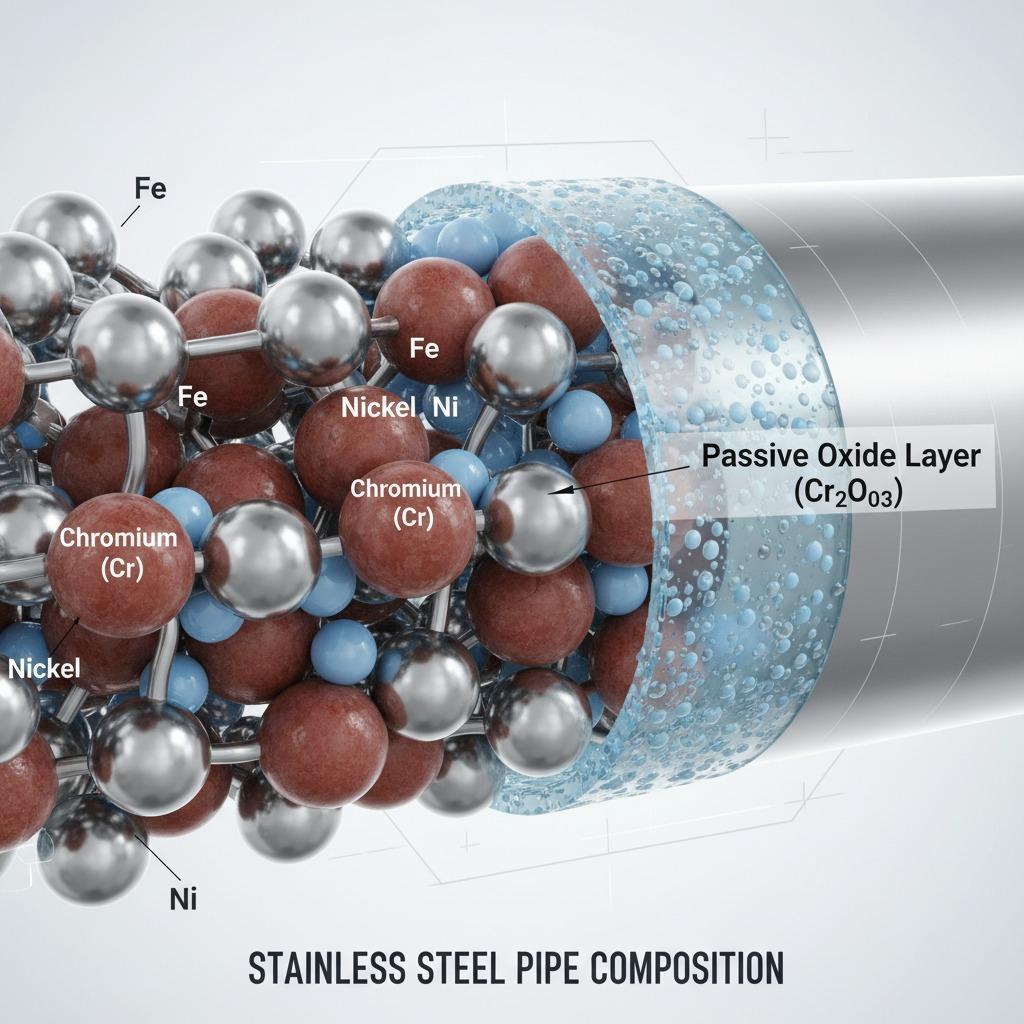
A key benefit of stainless steel is its low maintenance requirement, but proper care is still necessary to preserve its properties for a lifetime. Routine cleaning should be performed using a soft cloth or sponge with a neutral pH detergent and warm water. It's important to rinse thoroughly with clean water and wipe the surface dry to prevent water spots and mineral deposits. For disinfection, always use sterilants approved for stainless steel and follow the manufacturer's dilution and contact time instructions. A critical step to avoid is the use of abrasive scouring pads, steel wool, or gritty cleaners, as these can scratch the passive layer of the steel, potentially leading to corrosion. It is also advisable to avoid prolonged contact with concentrated chlorine-based cleaners like bleach, as they can cause pitting over time. Periodically, a process called passivation can be performed, which involves treating the surface with a mild oxidant like citric acid to remove any free iron and enhance the natural chromium oxide layer, further boosting its corrosion resistance and longevity.
Conclusion: The Foundation of a Sterile Surgical Environment
In conclusion, the selection of materials in a medical setting is a foundational element of patient care and safety. The inherent properties of stainless steel—its exceptional hygiene, strength, and resistance to corrosion—make it the optimal choice for equipment that must withstand the rigors of the operating room. Investing in high-quality surgical tables built from a properly specified medical grade stainless steel sheet is not just an equipment purchase; it is an investment in infection control and long-term operational reliability. By understanding the different grades, finishes, and proper maintenance protocols, healthcare facilities can ensure their surgical environments are built on a foundation of safety and quality that will last for decades.