

The Cornerstone of Culinary Excellence: Choosing Your Steel in Kitchenware Manufacturing
In the demanding world of Kitchenware Manufacturing, the selection of raw materials is not merely a preliminary step; it is the foundation upon which product quality, durability, and consumer satisfaction are built. Stainless steel has long been the champion material for everything from pots and pans to utensils and food preparation surfaces. However, the nuanced decision of Which stainless steel coil to use can significantly impact the final product's performance, longevity, and even its aesthetic appeal. Discerning manufacturers understand that opting for the best available materials is a direct investment in their brand's reputation and the user's culinary experience.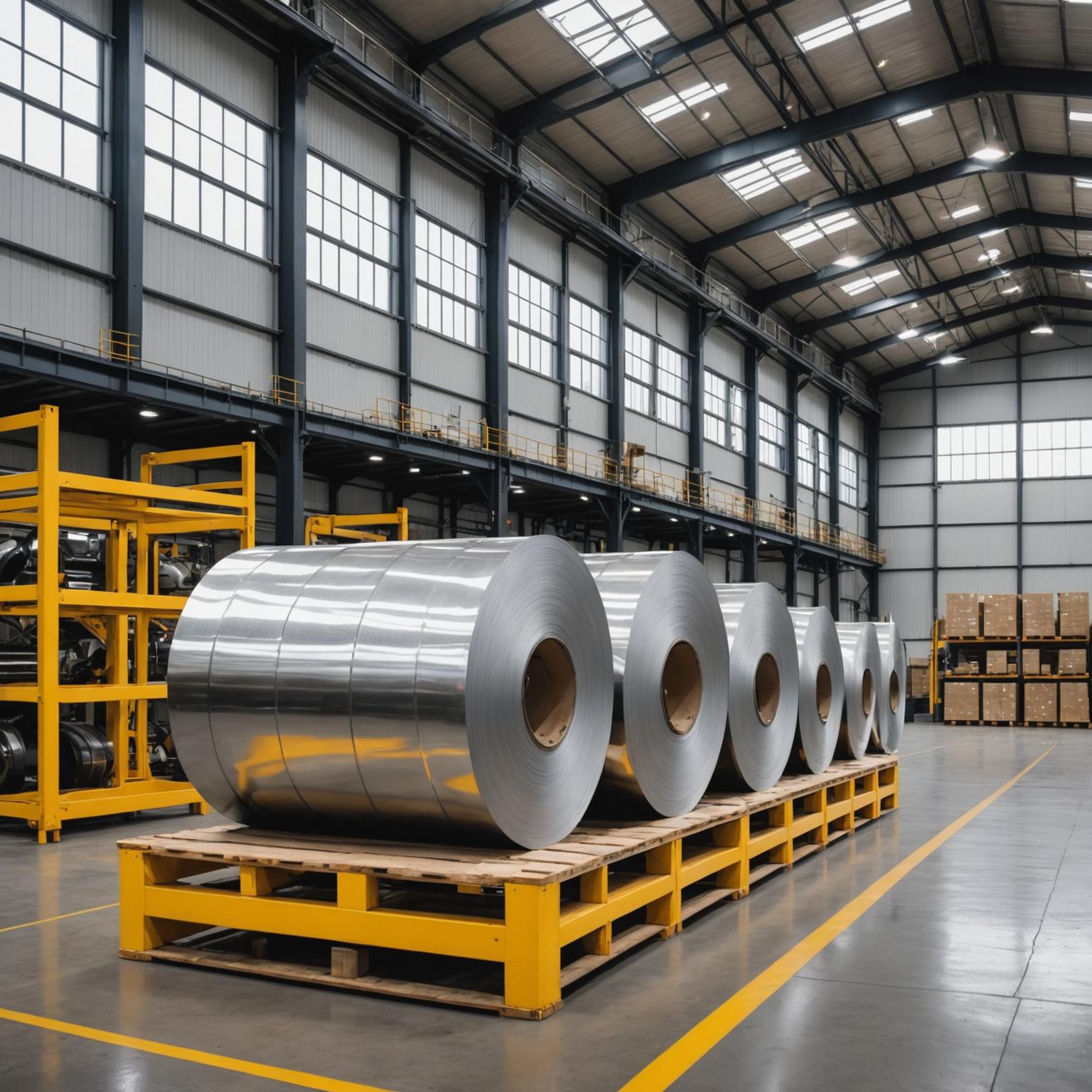
Why Stainless Steel Reigns Supreme in the Modern Kitchen
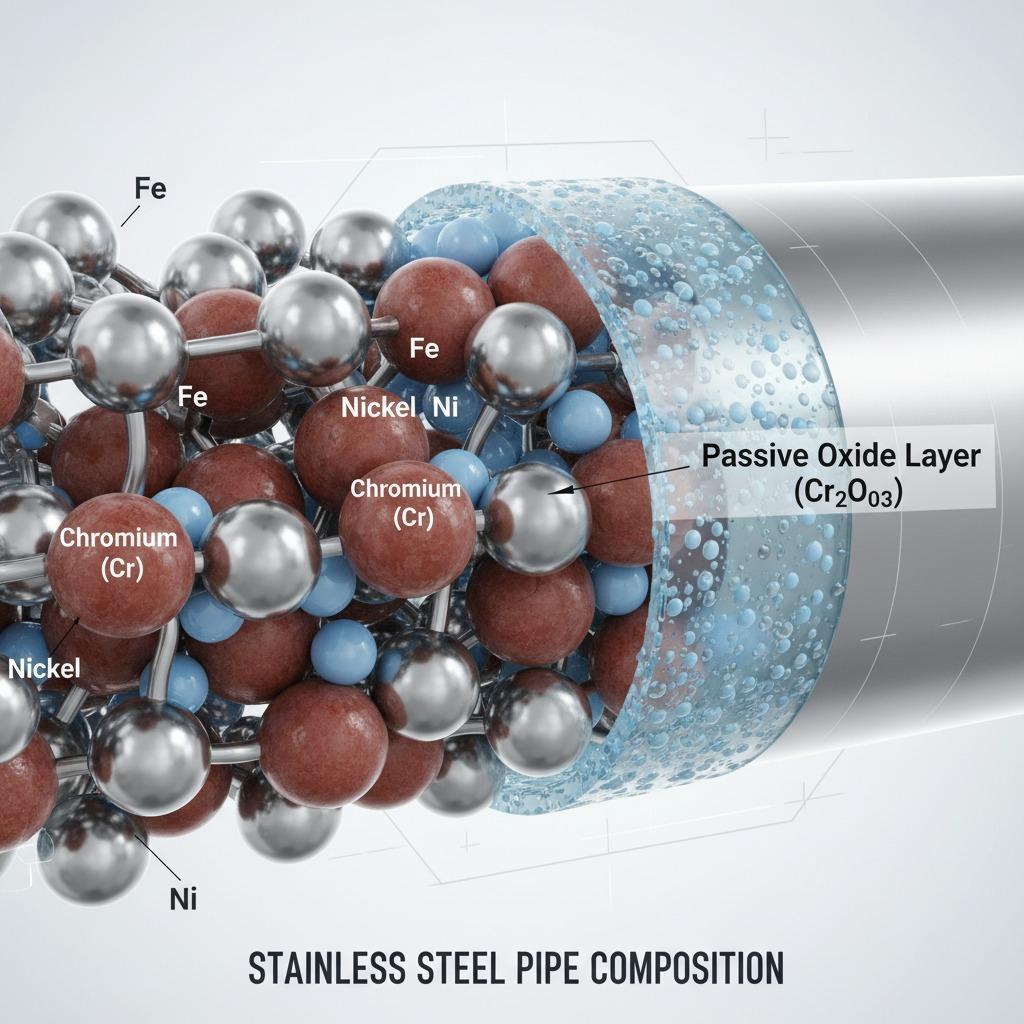
Before diving into the specifics of coil selection, it's worth reiterating why stainless steel is the undisputed king in kitchen environments. Its inherent properties make it uniquely suited for food contact and the rigors of daily kitchen use. Firstly, stainless steel is exceptionally hygienic. Its non-porous surface resists bacteria and germs, making it easy to clean and sanitize – a critical factor for food safety. Secondly, its remarkable corrosion resistance means it doesn’t rust or tarnish easily, even when exposed to acidic foods, moisture, and frequent washing. This durability ensures that kitchenware maintains its integrity and appearance over years of use. Furthermore, stainless steel is non-reactive; it doesn’t leach harmful chemicals or metallic tastes into food, preserving the purity and flavor of ingredients. This combination of hygiene, durability, and inertness makes it the preferred choice for professionals and home cooks alike.
Navigating the Grades: Which Stainless Steel Coil to Use for Optimal Results?
Answering the question, "Which stainless steel coil to use?" requires an understanding of stainless steel grades and their specific properties. Not all stainless steel is created equal, and the right grade depends on the intended application within Kitchenware Manufacturing. The most commonly encountered grades include:
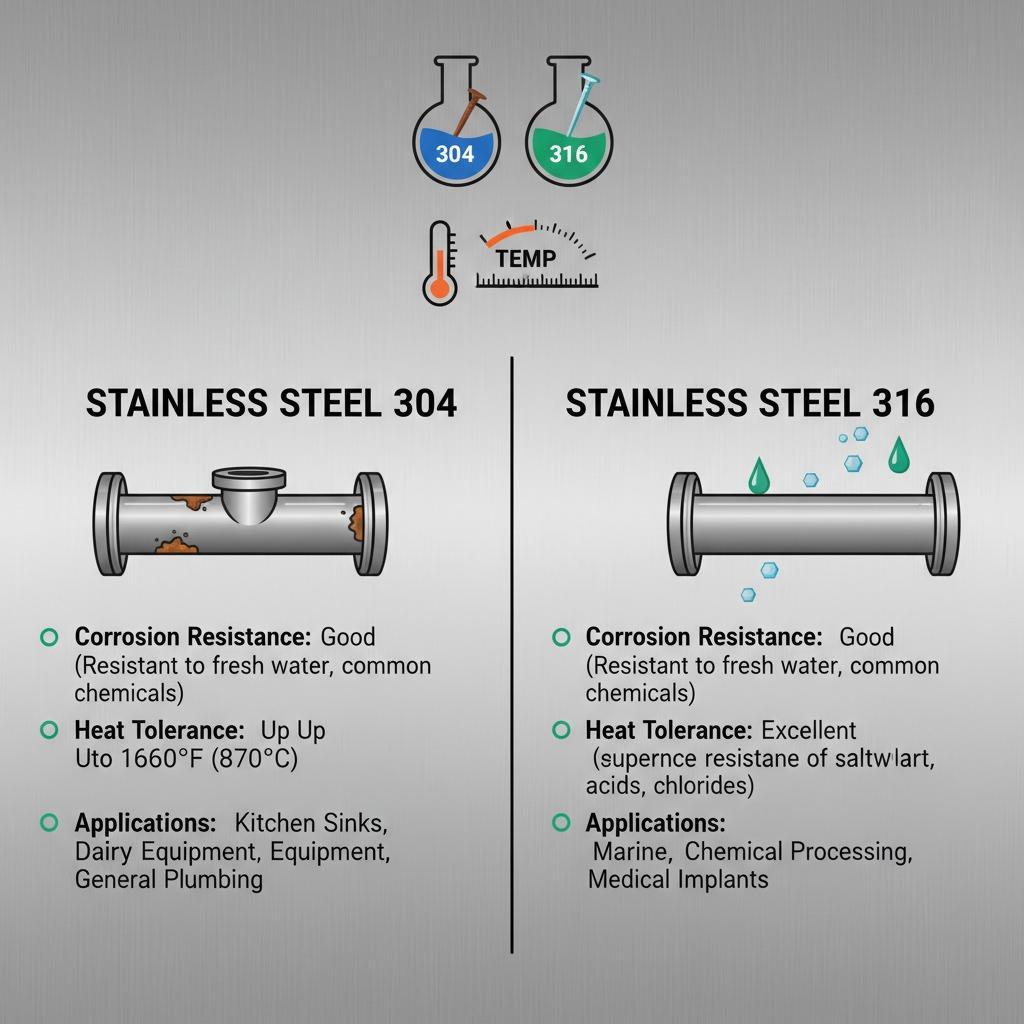
304 Stainless Steel (Austenitic): Often referred to as 18/8 or 18/10 (chromium/nickel content), 304 is the workhorse of the kitchenware industry. It offers an excellent balance of corrosion resistance, formability (crucial for shaping pots, pans, and sinks), and strength. Its polished finish is also aesthetically pleasing. For general-purpose kitchenware, 304 stainless steel coils are often the top contender, providing a reliable and high-quality base.
316 Stainless Steel (Austenitic): This grade contains molybdenum, which significantly enhances its corrosion resistance, particularly against chlorides and industrial solvents. While potentially an over-specification for some everyday kitchen items, 316 is an excellent choice for high-end cookware, marine applications, or items that will frequently encounter salty or highly acidic environments. Its superior durability can justify the higher cost for premium product lines.
430 Stainless Steel (Ferritic): A more economical option, 430 stainless steel offers good corrosion resistance, though generally less than the 300 series. It is magnetic, making it suitable for induction cookware bases. While it might not be as formable as 304, it’s perfectly adequate for many applications like mixing bowls, flatware, and certain appliance facings. The choice here often involves balancing cost with the required performance characteristics.
The precision of the coil itself is also paramount. High-grade precision steel coils, with consistent dimensional accuracy and a flawless finish, ensure that the manufacturing process is smooth and efficient, leading to a superior end product. This uniformity is key for automated processes and predicts the final kitchenware's quality.
Defining the "Best" Stainless Steel Coils for Kitchenware
Beyond the grade, what truly constitutes the "Best" stainless steel coil for kitchenware manufacturing involves a confluence of factors. Quality assurance from the steel producer is paramount. Manufacturers should seek suppliers who provide coils with exceptional metallurgical consistency, ensuring predictable behavior during forming, welding, and finishing processes. The surface finish is critical; a smooth, defect-free surface not only enhances the aesthetic appeal but also contributes to easier cleaning and better hygiene of the final product. Consider coils manufactured with an impeccable, polished finish and exceptional tensile strength while maintaining flexibility – qualities essential for creating durable yet elegantly shaped kitchen items.
Moreover, workability is a key consideration. The ease with which the steel can be drawn, stamped, and welded without cracking or compromising its integrity directly impacts production efficiency and cost. The "Best" coils minimize material wastage and allow for intricate designs. Increasingly, eco-conscious production practices by the steel coil manufacturer are also becoming a significant factor, aligning with broader sustainability goals within the kitchenware industry. Choosing steel coils produced through sustainable practices adds another layer of value.
The Manufacturing Journey: From Premium Coil to Culinary Masterpiece
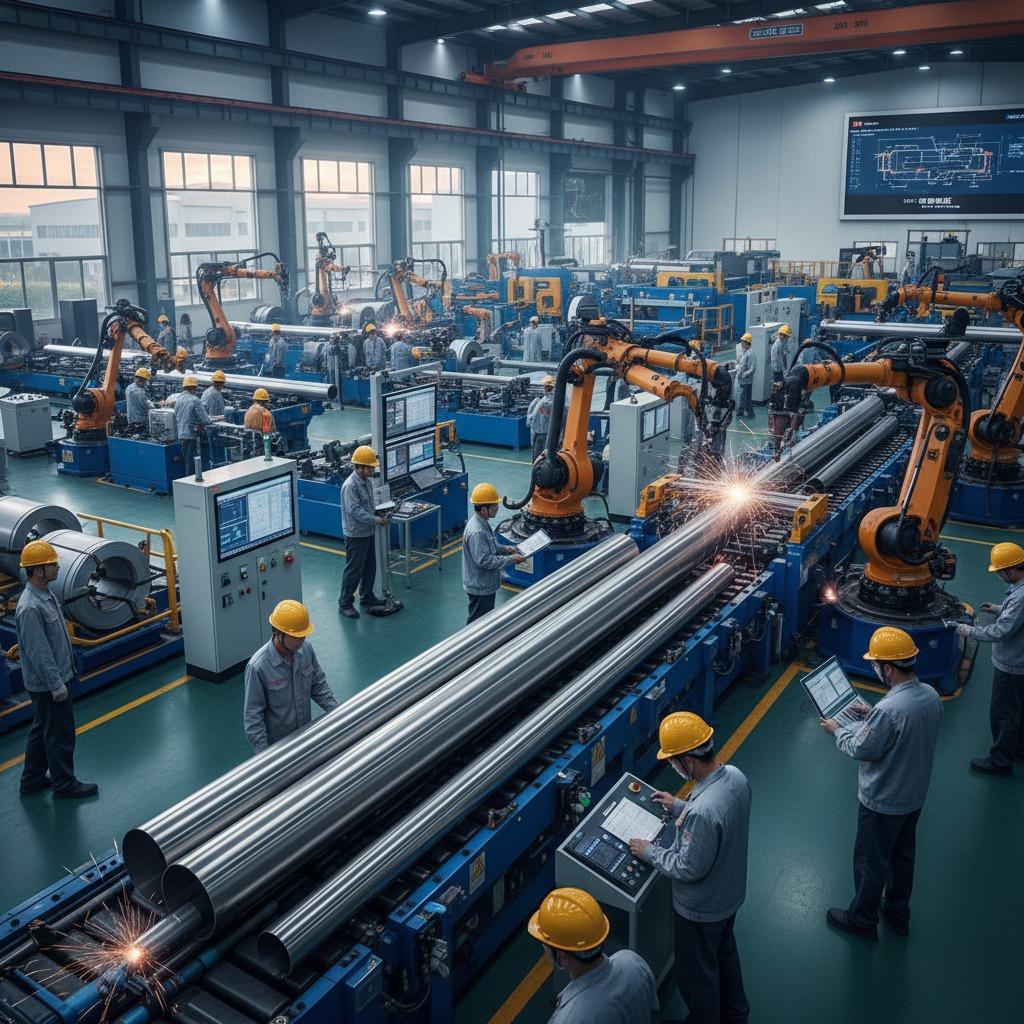
The journey from a roll of stainless steel to a finished piece of kitchenware is complex. The initial quality of the stainless steel coil profoundly influences every subsequent stage. Using premium coils leads to fewer rejects, less wear and tear on manufacturing equipment, and ultimately, a product that stands out in a competitive market. Investing in the best steel means investing in efficiency and quality control throughout the Kitchenware Manufacturing process. This commitment to quality material is palpable in the final product—kitchenware that not only looks good but performs exceptionally and endures the test of time. This approach solidifies a brand's reputation for excellence and reliability, ensuring that the end-user receives a product that truly enhances their culinary endeavors. The selection isn't just about a specification; it's about a philosophy of quality that begins with the very first choice of material.