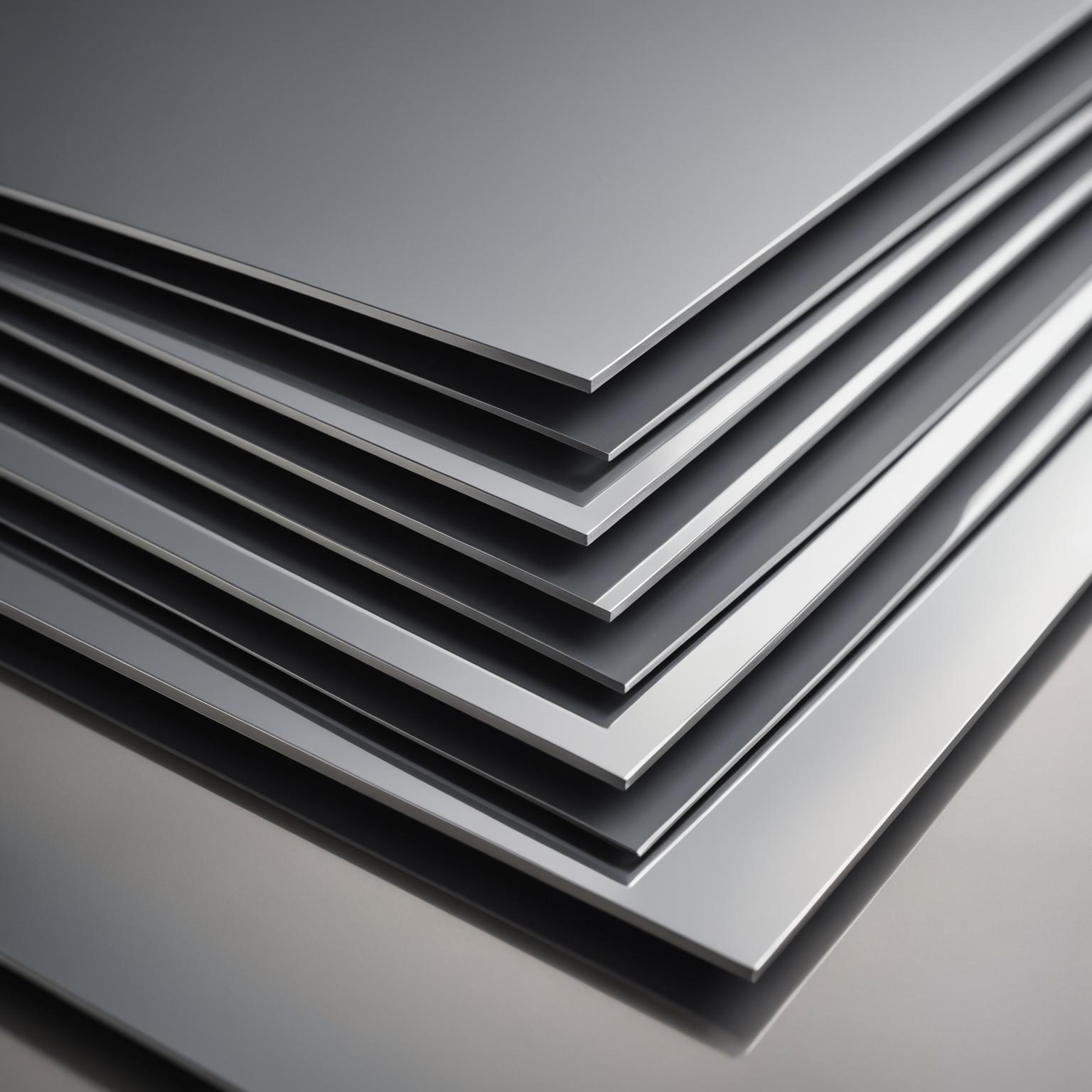


Effectively learning how to prevent stainless steel sheet warping is a critical skill for fabricators, designers, and engineers aiming for flawless results in their projects. Warping, which is the distortion or deviation from a flat, planar surface, can compromise not only the aesthetic appeal of a finished product but also its structural integrity and functionality. This unwanted bending or twisting often leads to costly rework, project delays, and material waste. Understanding the factors that contribute to this issue is the first step toward implementing effective preventative strategies. By combining proper techniques with high-quality materials, such as precision-engineered metal solutions, you can significantly minimize the risk of distortion and ensure your projects maintain their intended shape and durability from start to finish.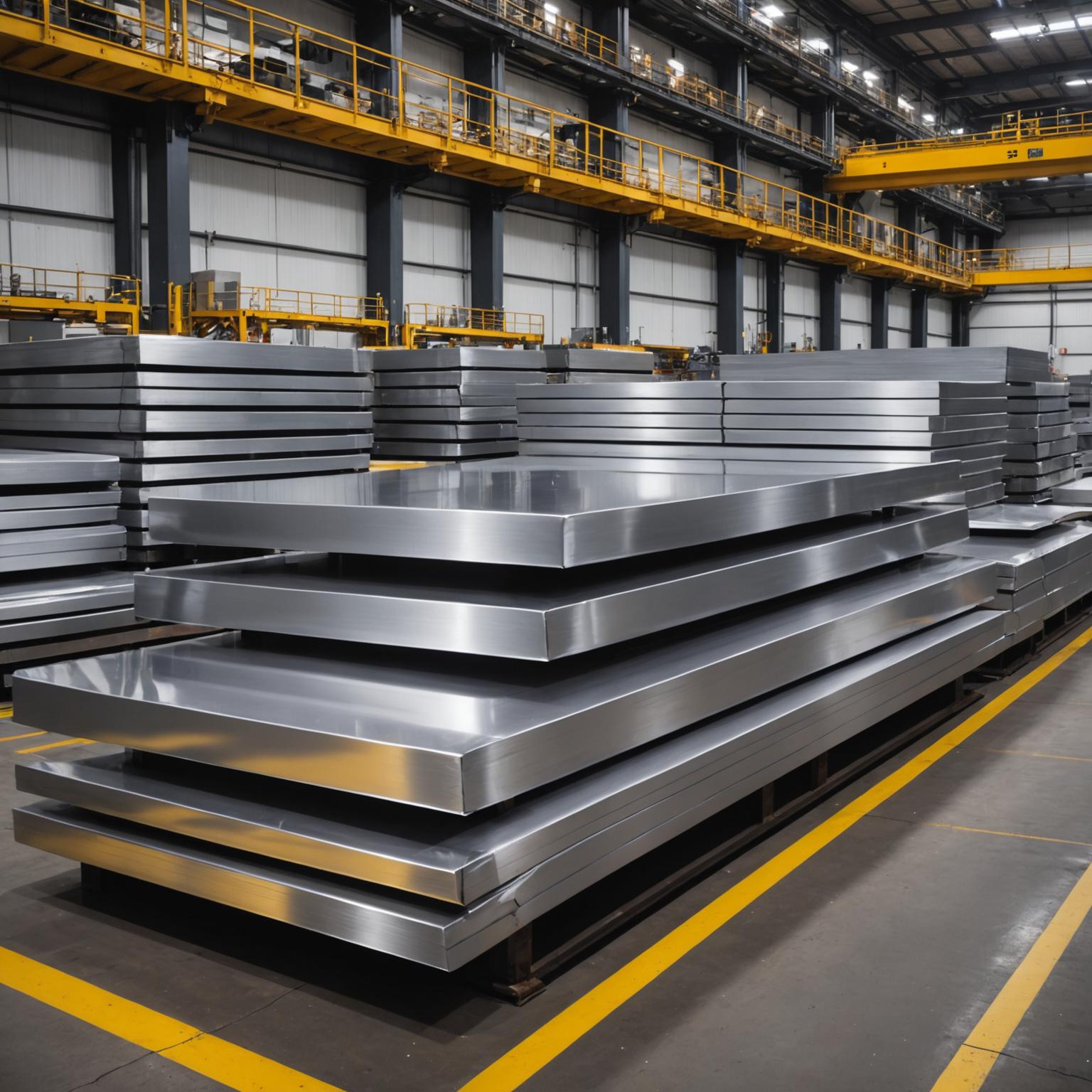
Understanding the Root Causes of Warping in Stainless Steel
Before you can prevent warping, it's essential to understand why it happens. The primary culprit is almost always stress, which can be introduced in several ways. The most common cause is thermal stress, which occurs when a stainless steel sheet is subjected to non-uniform heating and cooling. During processes like welding, plasma cutting, or laser cutting, intense heat is applied to a localized area. This area expands rapidly, while the surrounding cooler metal resists this expansion, creating compressive stress. As the heated area cools and contracts, it pulls on the surrounding material, introducing tensile stresses that ultimately cause the sheet to warp or buckle. Another significant factor is mechanical stress, which can be induced by improper handling, such as lifting a large sheet from one corner, or by uneven clamping during fabrication. Finally, there's internal or residual stress, which is locked into the material during its manufacturing process. While all metal sheets have some degree of internal stress, higher-quality sheets, such as our premium brushed stainless steel, are manufactured with advanced processes designed to minimize these inherent stresses, providing a more stable and predictable foundation for your work.
Best Practices for Fabrication and Welding
Since fabrication, particularly welding, is a major source of heat-induced stress, adopting best practices in the workshop is paramount. Controlling heat input is your first line of defense. Whenever possible, use welding techniques that minimize heat, such as using the lowest effective amperage setting and maintaining a consistent, brisk travel speed. Welding patterns can also make a huge difference. Techniques like back-step welding (welding in short segments in the opposite direction of overall progression) or skip welding (placing short welds at intervals along the joint) help distribute heat more evenly and allow sections to cool, reducing stress buildup. Furthermore, proper clamping and fixturing are non-negotiable. The sheet must be secured firmly to a flat, stable work surface with clamps distributed evenly to restrain movement during the heating and cooling cycle. Using strong-backs, jigs, and fixtures can provide the rigidity needed to resist deformation. For thicker materials or critical applications, consider preheating the entire workpiece to reduce the temperature differential and subsequent thermal shock. Similarly, a controlled post-weld heat treatment (PWHT) can relieve the stresses introduced during welding, allowing the material to settle into a stable, flat state.
Effective Handling and Storage to Maintain Flatness
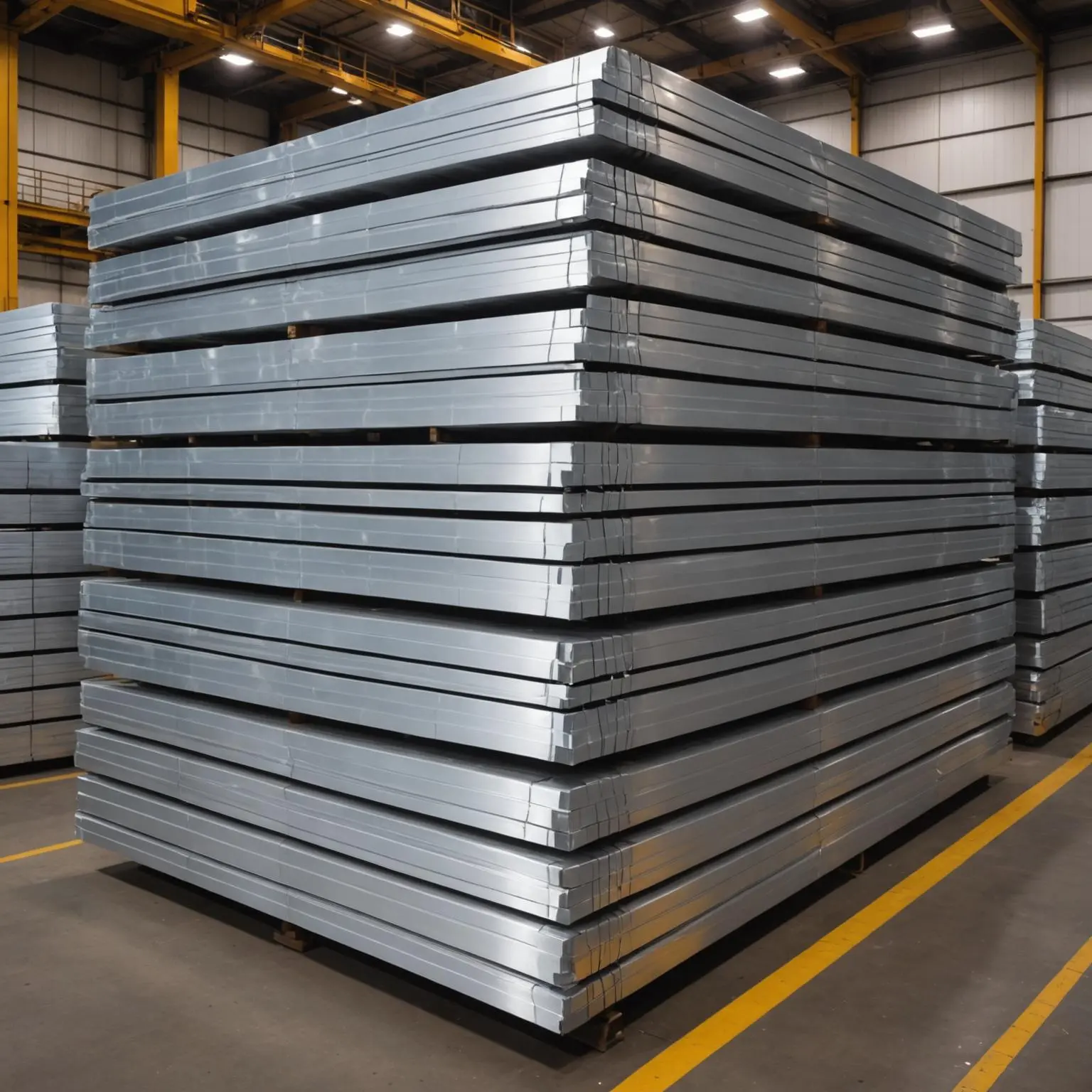
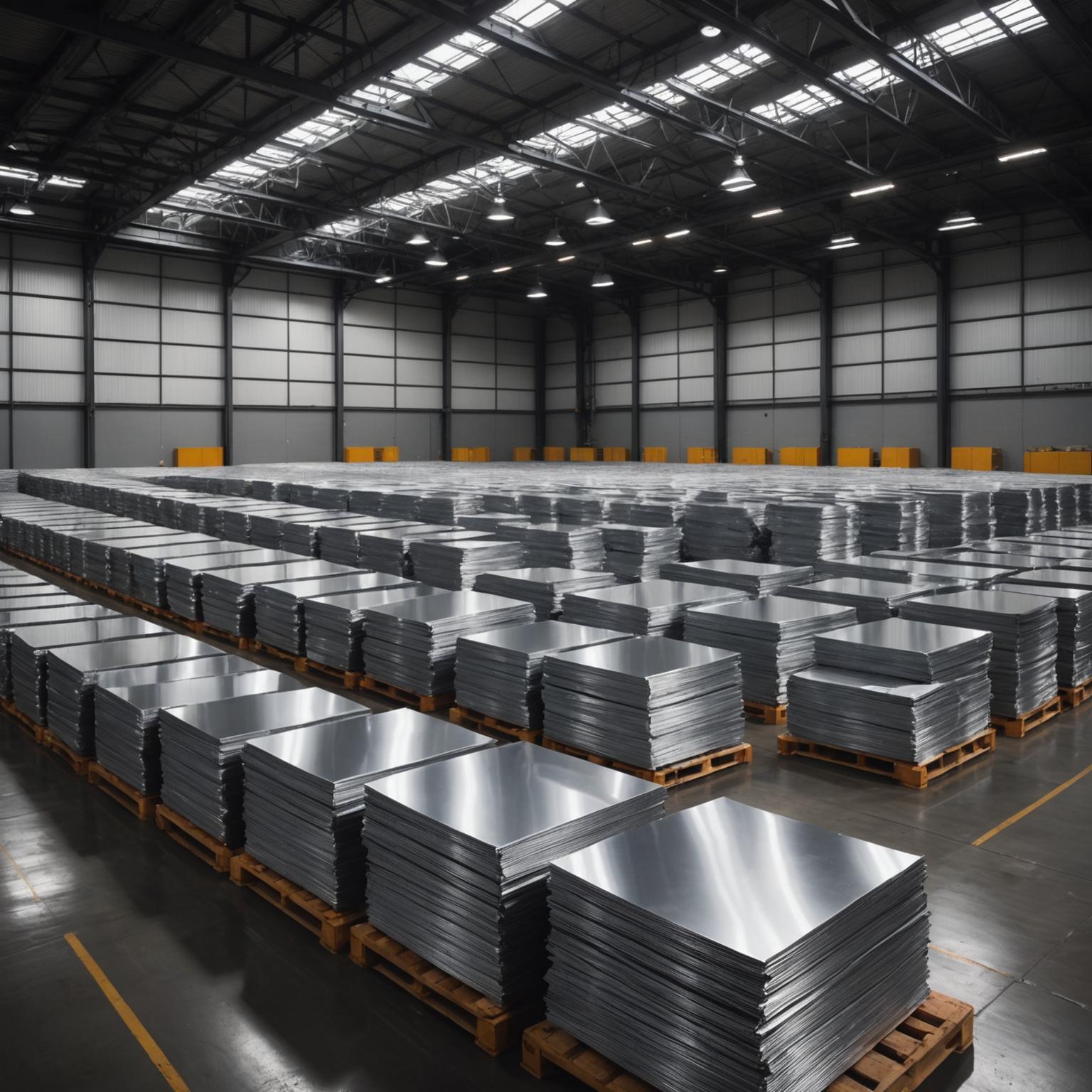
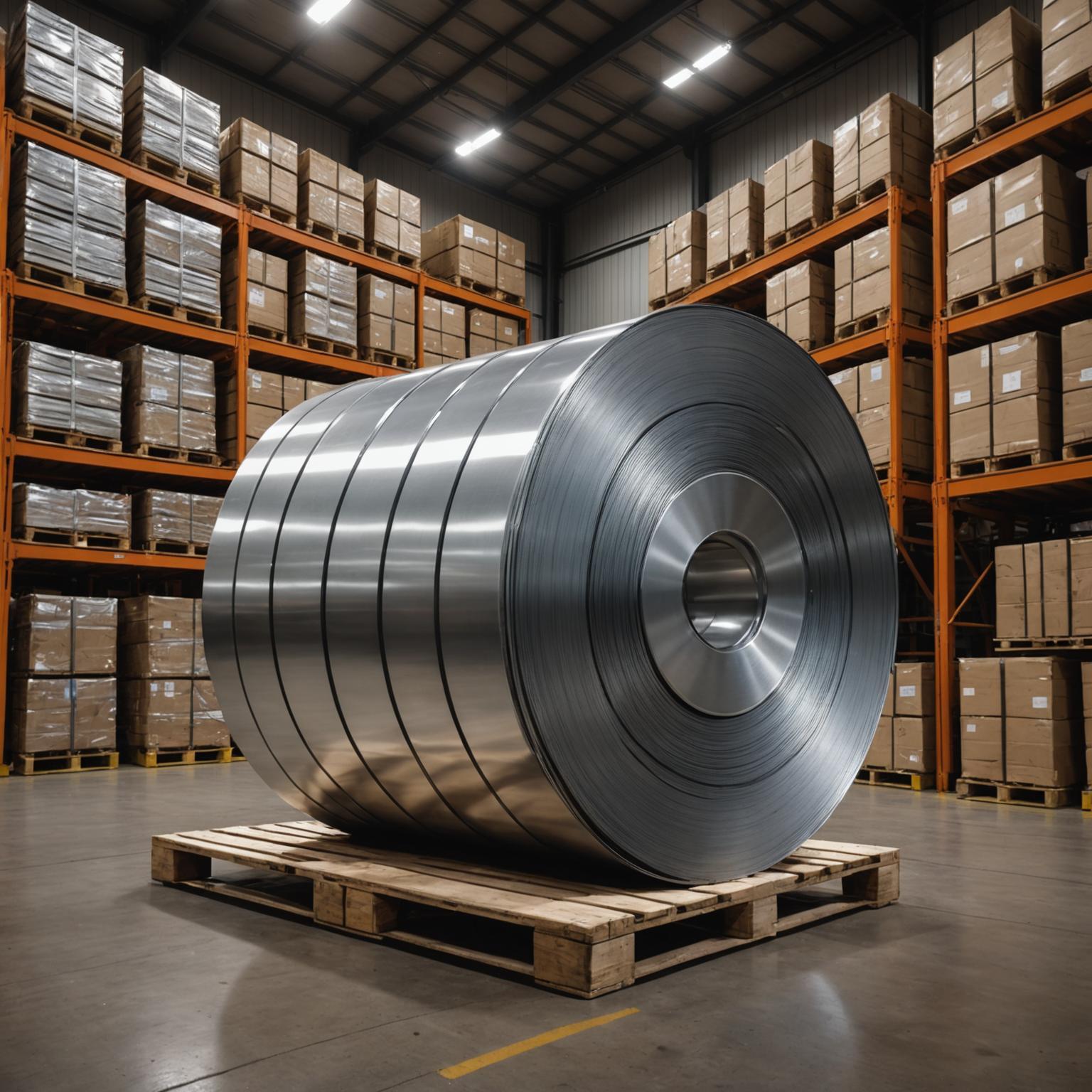
The prevention of stainless steel sheet warping begins long before the welding torch is lit and continues after the last pass is complete. Proper handling and storage are crucial to maintaining the material's integrity. Stainless steel sheets should always be stored flat on a level surface. Using an adequate number of supports, or dunnage, spaced closely together is essential to prevent sagging under their own weight, especially for thinner gauges or larger sheets. Avoid storing sheets vertically or leaning them against a wall, as this can easily lead to bending over time. When moving sheets, never drag them across a floor or each other, as this can cause scratches and induce stress. Use appropriate lifting equipment, such as vacuum lifters or forklifts with wide forks, to provide broad support and prevent kinking or bending. Careful planning during the design phase can also contribute to preventing warping. For example, balancing welds symmetrically on both sides of a joint can help counteract the pulling forces and keep the assembly flat. A holistic approach that considers the material's entire journey, from storage to final assembly, is key to success.
The Critical Role of Material Quality and Selection
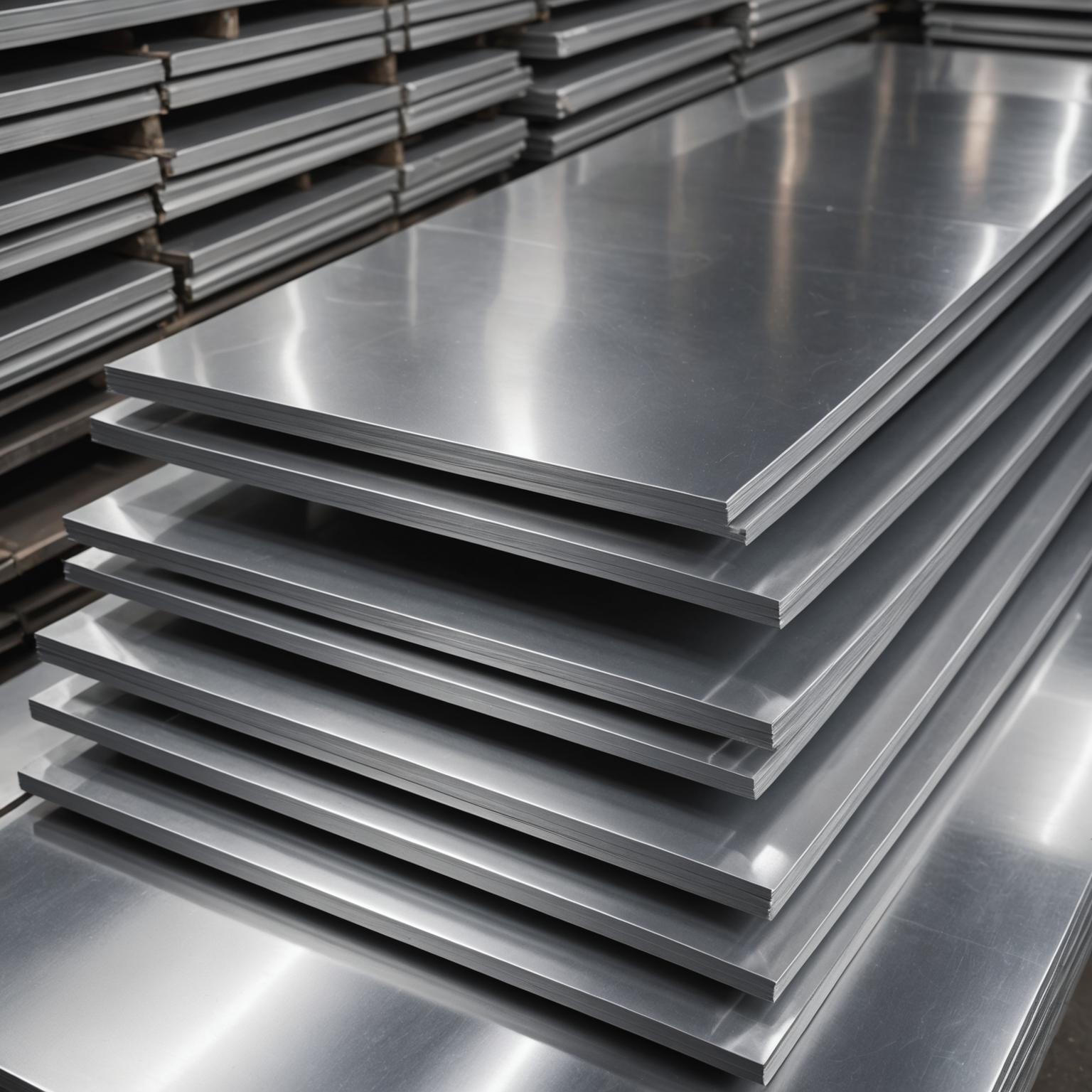
While technique is vital, the quality of the starting material cannot be overstated. Opting for a superior product can save you significant time and resources by providing a more stable foundation. Premium-grade materials, like our innovative SpectraSheet Pro, are produced through precision engineering that minimizes residual stress and ensures exceptional consistency and flatness from the outset. These high-performance sheets are designed for resiliency and robustness, making them inherently less susceptible to the forces that cause warping. Similarly, our brushed stainless steel sheets are crafted from high-grade stainless steel with a focus on durability and a consistent finish. When you start with a material that is dimensionally stable and free from significant internal stress, you are already ahead of the game. The investment in a higher-quality sheet often pays for itself by reducing the need for corrective measures, minimizing waste, and ensuring a predictable, high-end result that reflects the standards of excellence your projects demand.
What to Do If Warping Occurs: Corrective Measures
Even with the best preventative measures, some degree of warping can occasionally occur. When it does, there are several corrective techniques that can be employed, though they often require a high level of skill. Mechanical straightening is a common method that involves using a press, rollers, or hammers to physically force the material back into its flat shape. While effective, it must be done carefully to avoid over-correcting or introducing new stresses into the workpiece. Another advanced technique is thermal straightening, also known as flame straightening. This process involves applying controlled, localized heat in specific patterns to the convex side of the warp. The heated spot expands, and as it cools and contracts, it pulls the warped material back into alignment. This method is highly effective but requires deep expertise to execute without causing further damage. For any corrective work, it is often best to consult with an experienced metalworker to ensure the problem is fixed correctly, preserving the integrity and appearance of the stainless steel sheet.
Conclusion: A Proactive Approach to Perfect Results
In summary, preventing stainless steel sheet warping is a multifaceted challenge that is best addressed with a proactive and knowledgeable approach. Success hinges on a combination of understanding the underlying causes of stress, implementing meticulous fabrication and welding techniques, ensuring proper handling and storage, and, crucially, selecting high-quality, stable materials from the start. By making conscious choices at every stage, from material selection to final assembly, you can mitigate the risks of distortion. For your next project, consider how a superior material like SpectraSheet Pro or our premium brushed stainless steel sheets can provide a foundation of elegance and endurance, helping you achieve perfect, warp-free results that stand the test of time.