

Choosing the right components for any industrial, architectural, or residential project is critical for ensuring long-term performance, safety, and efficiency. Among the most versatile and reliable of these components is the small diameter stainless steel pipe. Valued for its strength, corrosion resistance, and clean aesthetic, this type of piping is fundamental to countless applications, from intricate hydraulic systems and precision medical devices to modern plumbing and decorative fixtures. This guide will walk you through the essential factors to consider, offering a clear roadmap on how to choose the perfect piping solution for your specific needs, ensuring your project is built on a foundation of quality and durability.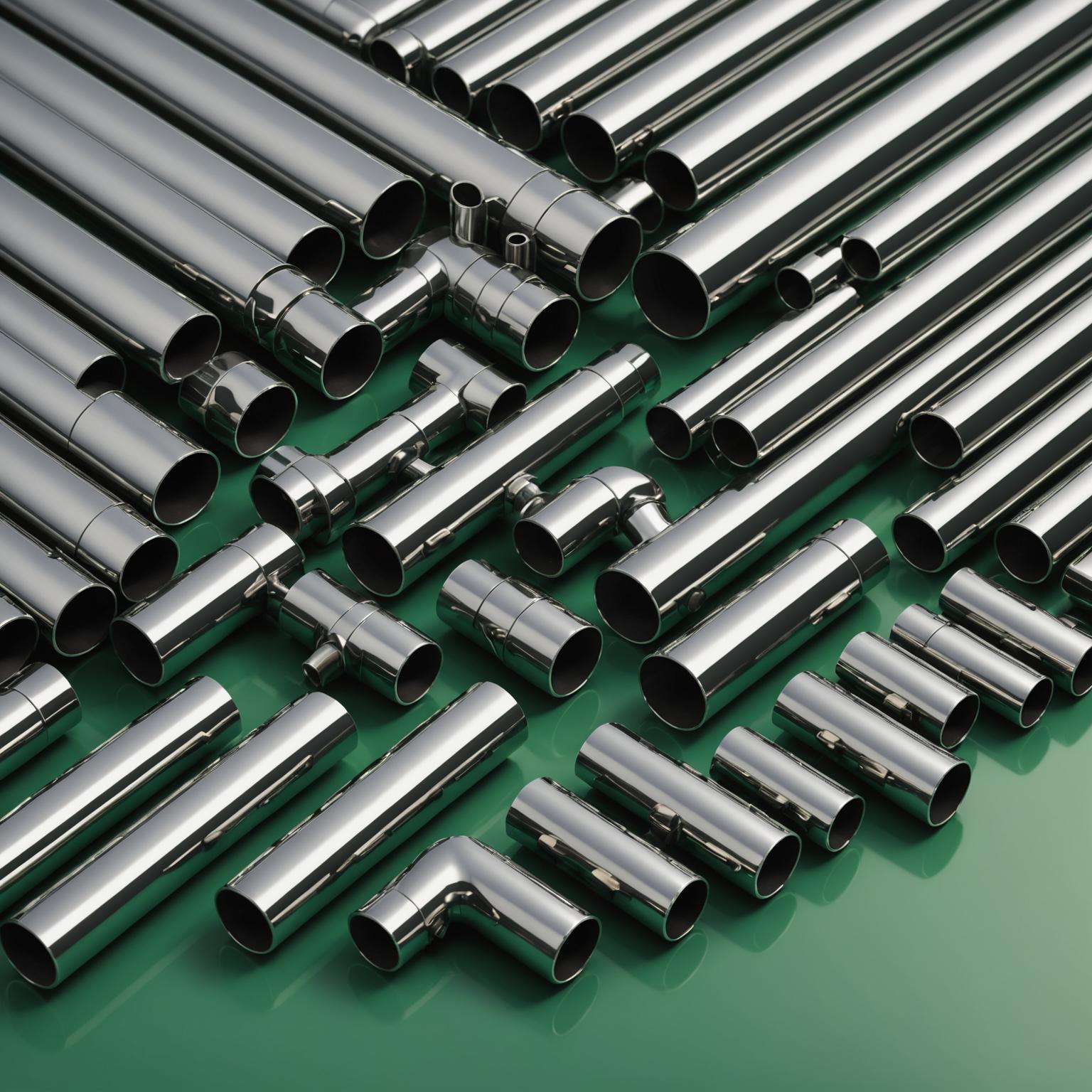
Understanding the Fundamentals of Stainless Steel Piping
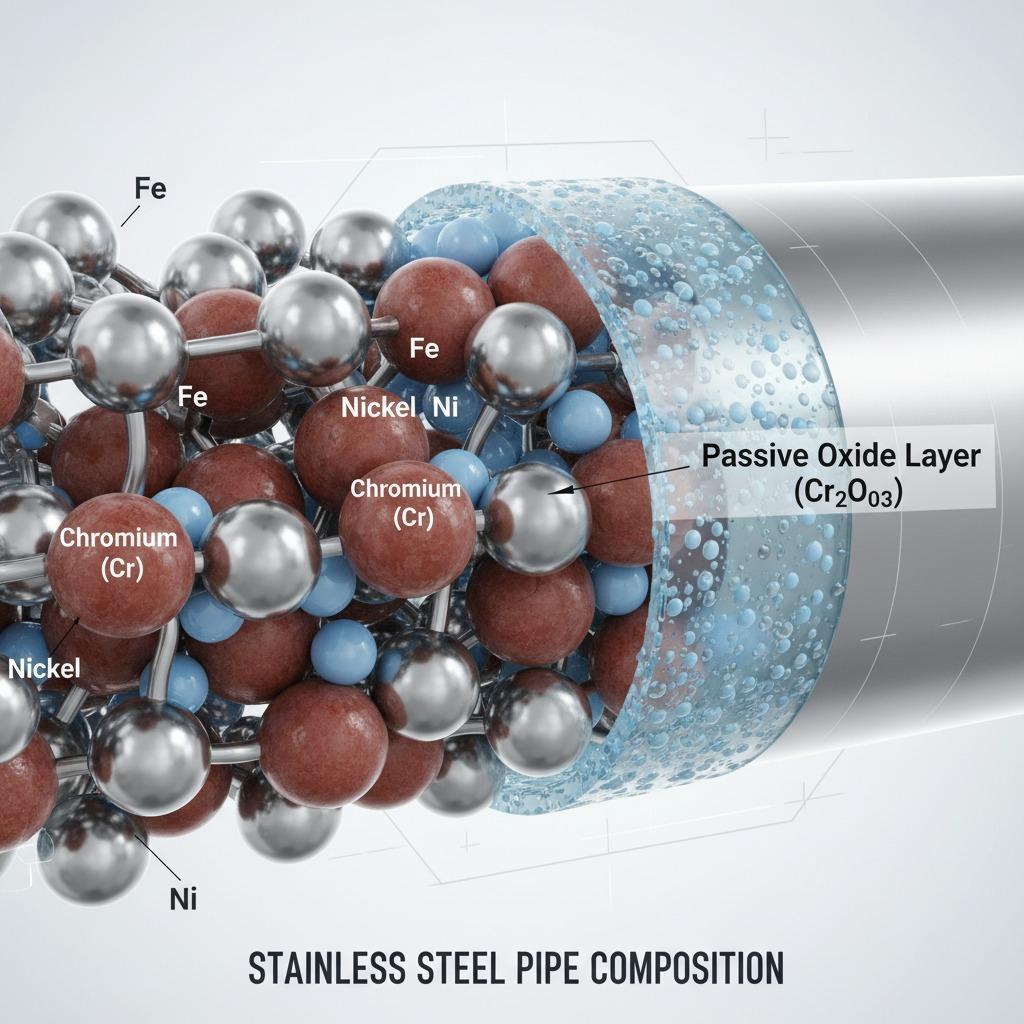
Before diving into the selection process, it's important to grasp what makes stainless steel a superior material. Stainless steel is an iron-based alloy containing a minimum of 10.5% chromium. This chromium content creates a passive, self-repairing oxide layer on the surface of the steel, which provides its signature corrosion resistance. Beyond this basic characteristic, different grades of stainless steel offer varying levels of strength, heat resistance, and protection against specific chemical corrosives. Small diameter pipes, typically referring to those with an outer diameter of less than 2 inches, are engineered for applications requiring precision, controlled flow, and the ability to fit into compact spaces. Their combination of material integrity and precise dimensions makes them indispensable in fields where failure is not an option.
How to Choose: Key Factor 1 - Material Grade
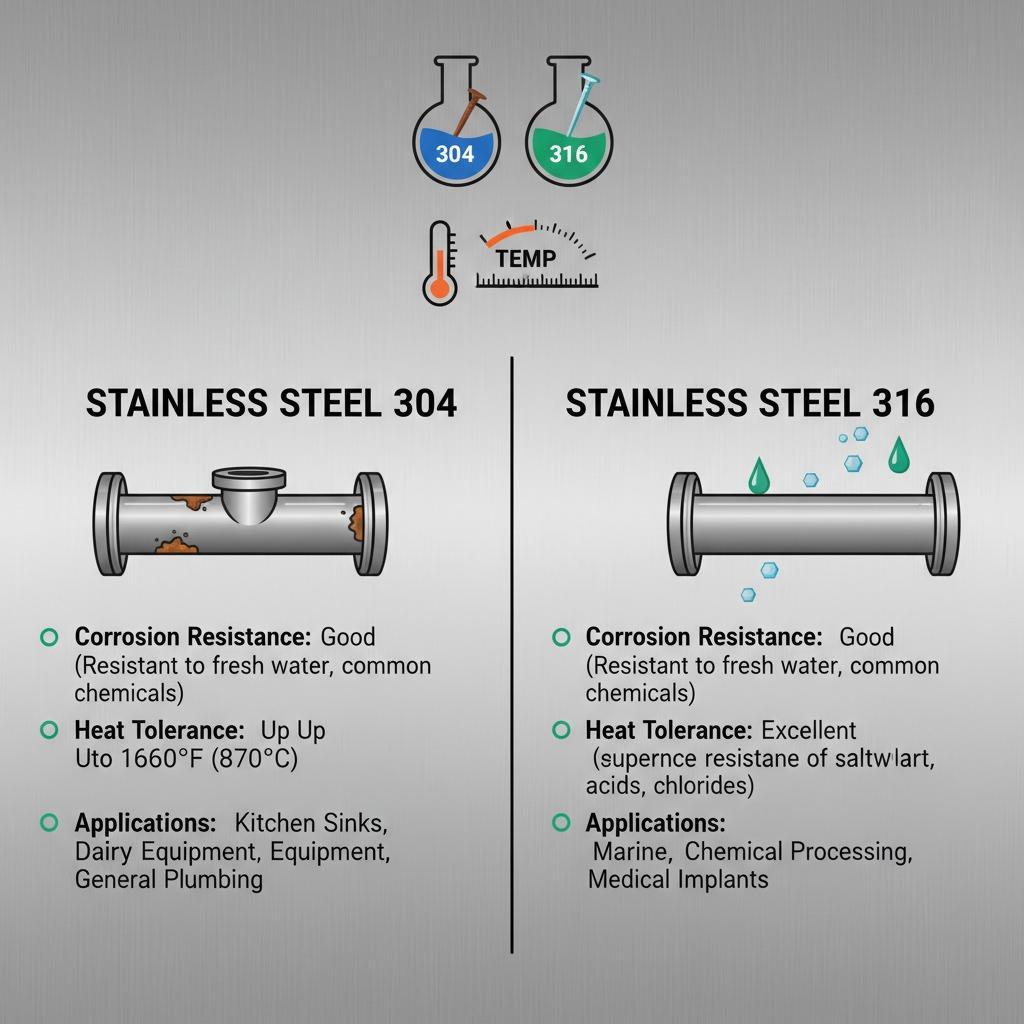
One of the most critical decisions in your selection process is the material grade. Not all stainless steel is created equal, and the right grade directly impacts the pipe's longevity and performance. The two most common grades for small diameter tubing are 304 and 316. Grade 304 stainless steel is an excellent all-purpose choice, offering great corrosion resistance in most environments and is commonly used in food and beverage, architectural, and household applications. However, if your project will be exposed to chlorides—such as saltwater, de-icing salts, or certain industrial chemicals—Grade 316 is the superior option. It contains molybdenum, an element that significantly enhances its resistance to pitting and crevice corrosion, making it ideal for marine, chemical processing, and pharmaceutical applications. Always assess the environmental and operational conditions to determine the appropriate grade.
How to Choose: Key Factor 2 - Sizing and Dimensions
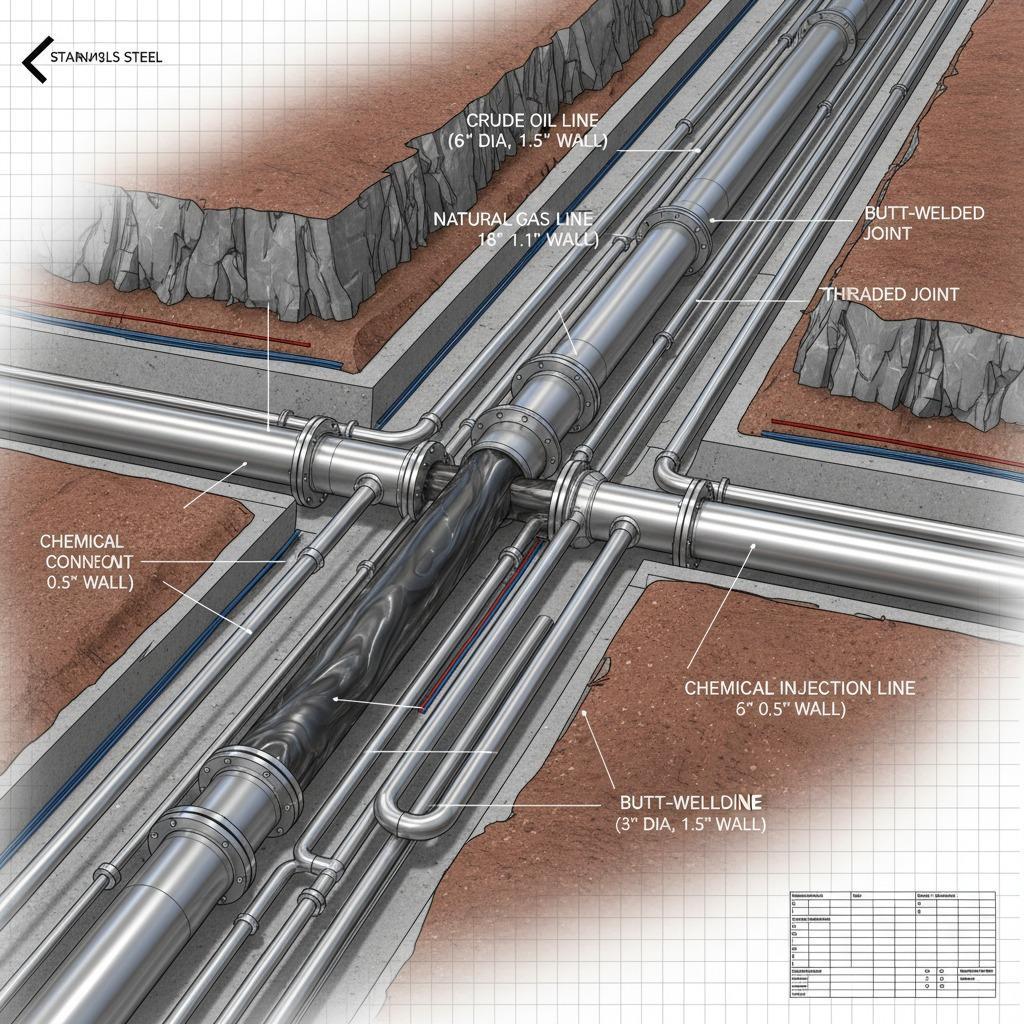
Precision is paramount when working with a small diameter stainless steel pipe. You must consider three key measurements: the Outer Diameter (OD), the Inner Diameter (ID), and the wall thickness. The OD is crucial for ensuring the pipe fits correctly with other components, fittings, and connectors. The ID determines the pipe's flow capacity, which is vital for systems transporting liquids or gases. Wall thickness, often referred to as the schedule or gauge, dictates the pipe's strength and its pressure rating. A thicker wall can withstand higher internal pressures and provides greater structural rigidity. Carefully calculate the flow rate, pressure requirements, and spatial constraints of your system to select the exact dimensions needed for optimal performance and safety.
How to Choose: Key Factor 3 - Seamless vs. Welded Construction
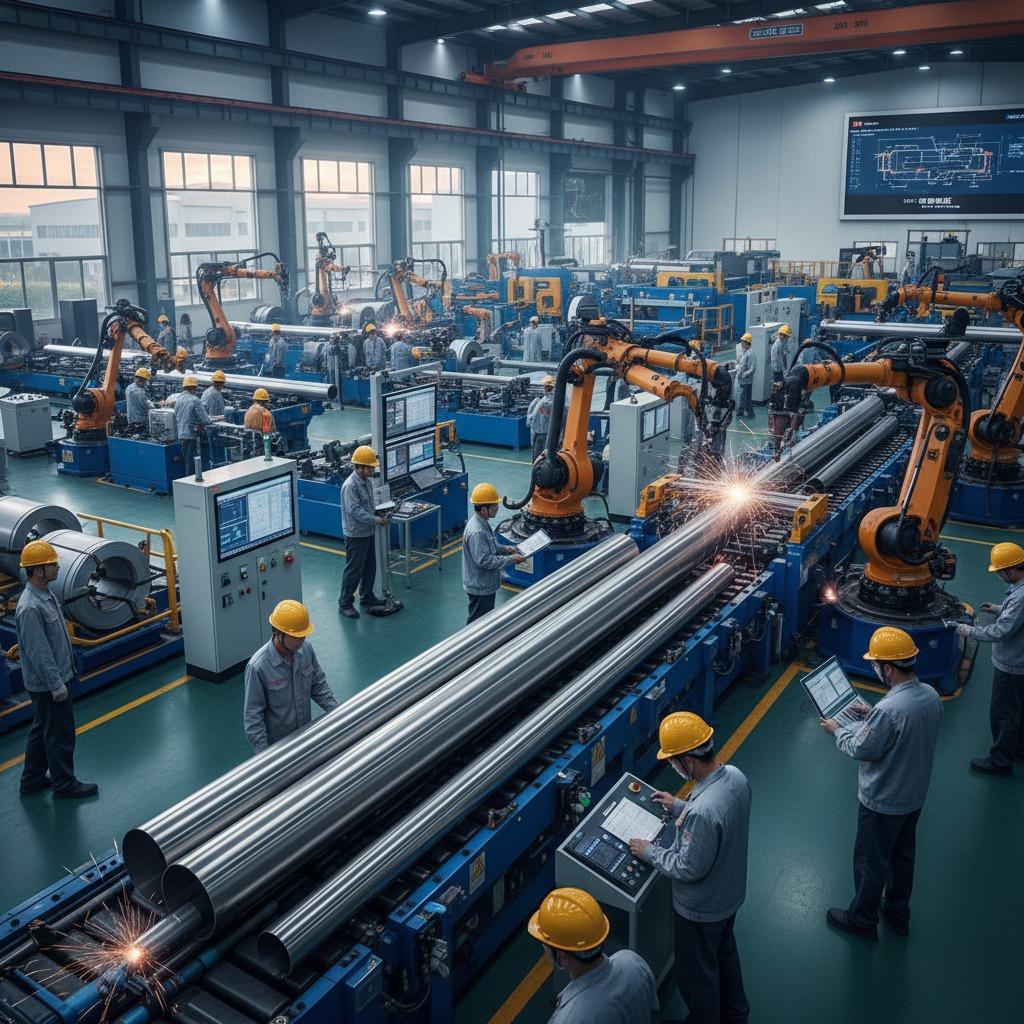
Stainless steel pipes are manufactured in two primary ways: seamless and welded. Seamless pipes are created by extruding a solid billet of steel over a piercing rod, resulting in a smooth, uniform tube with no seams or joints. This process gives them superior strength and pressure-bearing capabilities, making them the preferred choice for high-pressure, high-temperature applications like hydraulic lines, gas transportation, and boiler systems. Welded pipes are made from a strip of steel that is rolled into a tube and welded along the seam. While modern welding techniques have made these pipes incredibly reliable and often more cost-effective, the weld seam can be a potential weak point. For applications where maximum corrosion resistance and uniform strength are non-negotiable, a seamless pipe is often the safer, more durable investment.
How to Choose: Key Factor 4 - Finish and Surface Quality
The surface finish of a stainless steel pipe is not just about aesthetics; it also affects performance. A smooth, polished inner surface minimizes friction, reduces the potential for material buildup, and ensures a more efficient flow. This is particularly important in sanitary applications like food processing or pharmaceuticals, where a clean, non-porous surface prevents bacterial growth. On the exterior, a brilliant finish not only provides a sleek, modern look for architectural or decorative uses but can also offer an additional layer of protection against environmental factors. When evaluating suppliers, inquire about the finishing process and look for pipes with an impeccable, uniform sheen that signifies high-quality manufacturing.
Final Considerations: Certifications and Supplier Reliability
Finally, ensure the products you choose meet recognized industry standards. Reputable manufacturers will provide pipes that conform to specifications from organizations like ASTM (American Society for Testing and Materials) or ASME (American Society of Mechanical Engineers). These certifications guarantee that the material composition, dimensions, and mechanical properties meet rigorous quality benchmarks. Partner with a supplier who not only provides certified products but also offers a comprehensive range of fittings, such as T-joints and elbows, to ensure a complete and compatible system. A trustworthy supplier will provide detailed product information and support to help you make the best choice, ensuring your investment in a small diameter stainless steel pipe delivers unparalleled performance and sophistication for years to come.