

Understanding the importance of stainless steel in industrial applications
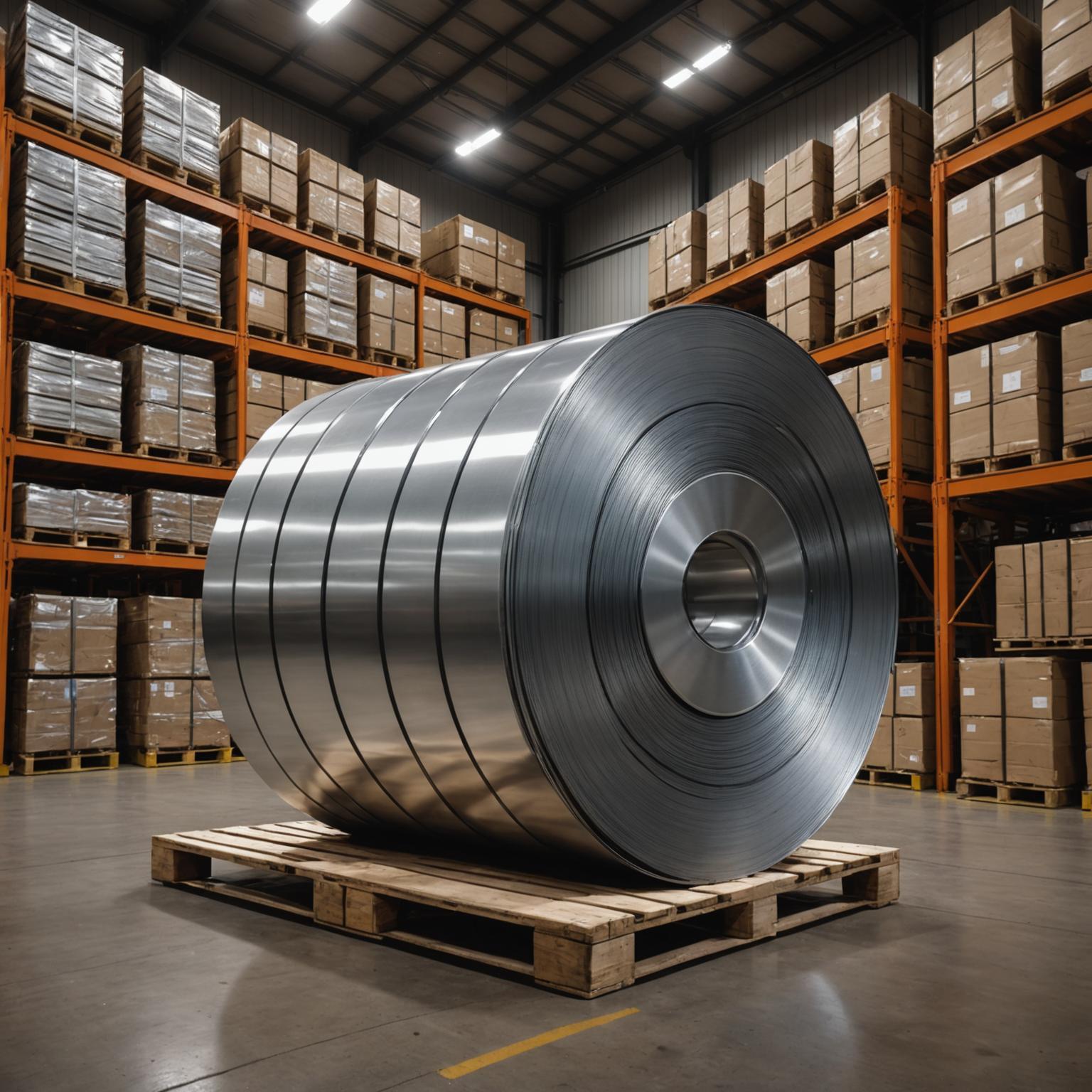
Stainless steel plates are an important part of various industries, from construction to advanced manufacturing. Among the famous genres, grade 304 stainless steel stands out due to its special properties such as corrosion resistance, versatility and aesthetic appeal. But lately, there has been growing curiosity about whether other grades, such as 430 stainless steel, can be used as a viable alternative to grade 304. For example, “Applicable scenarios for 430 stainless steel plate replacement 304” has become a popular problem for professionals seeking cost-effective solutions without compromising quality.
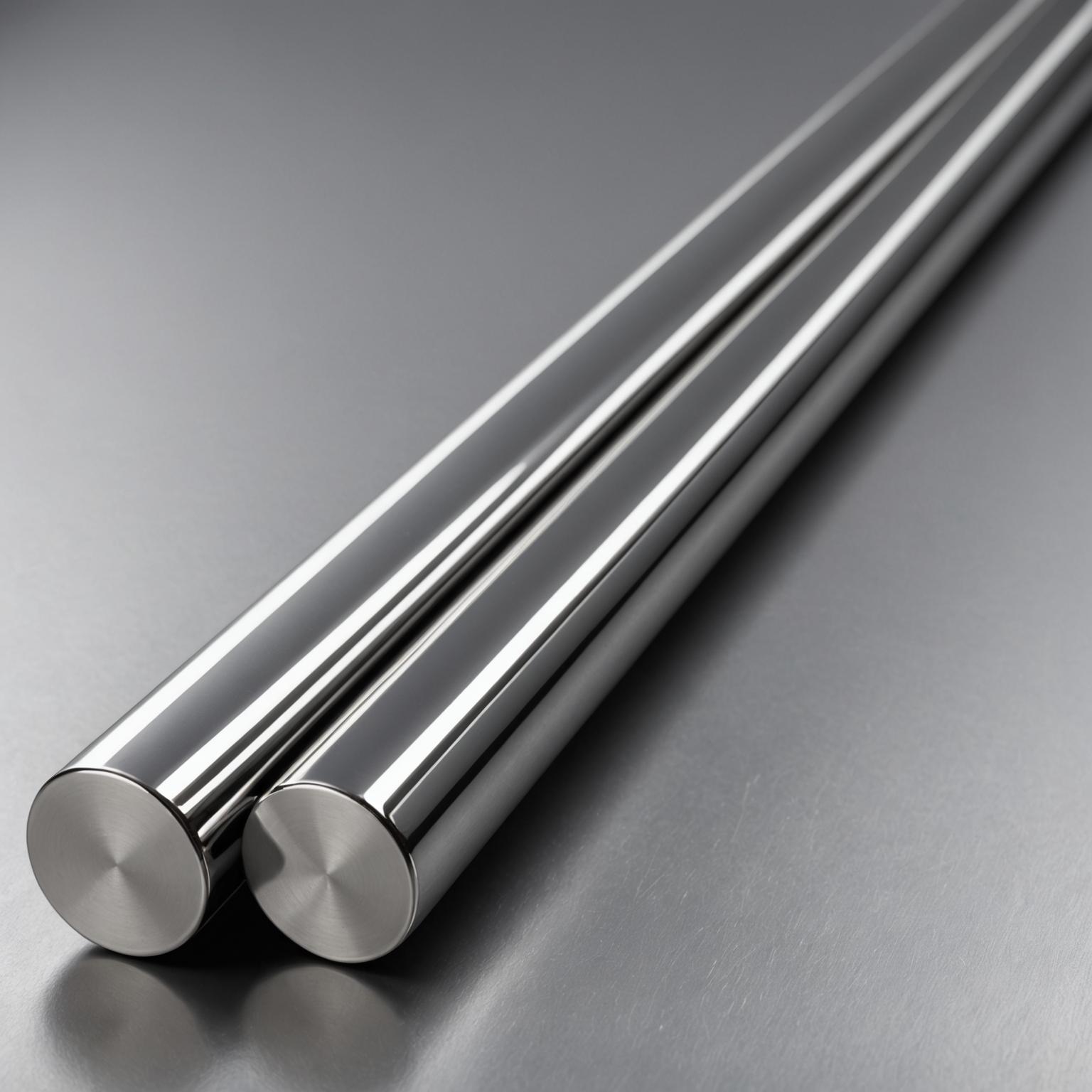
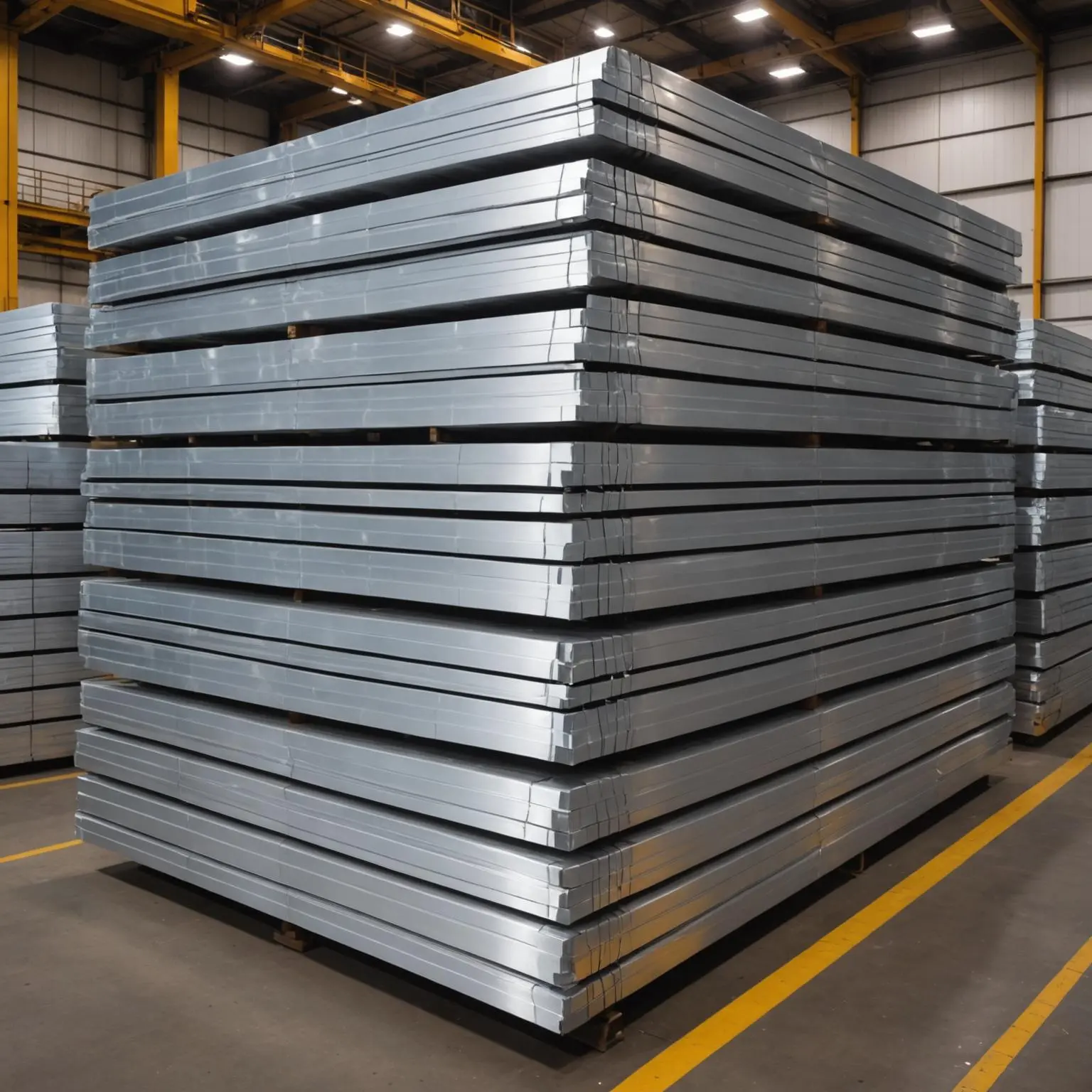
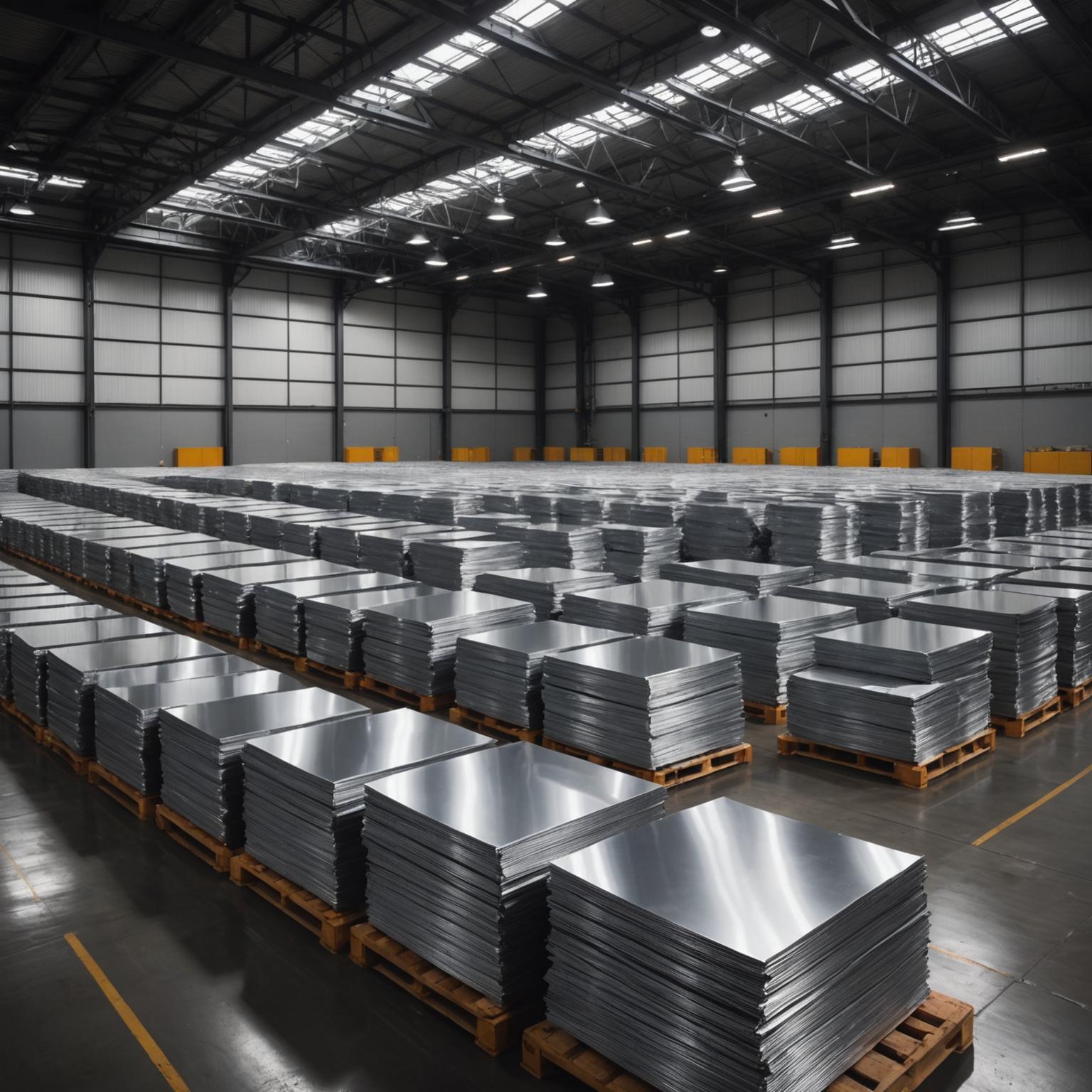
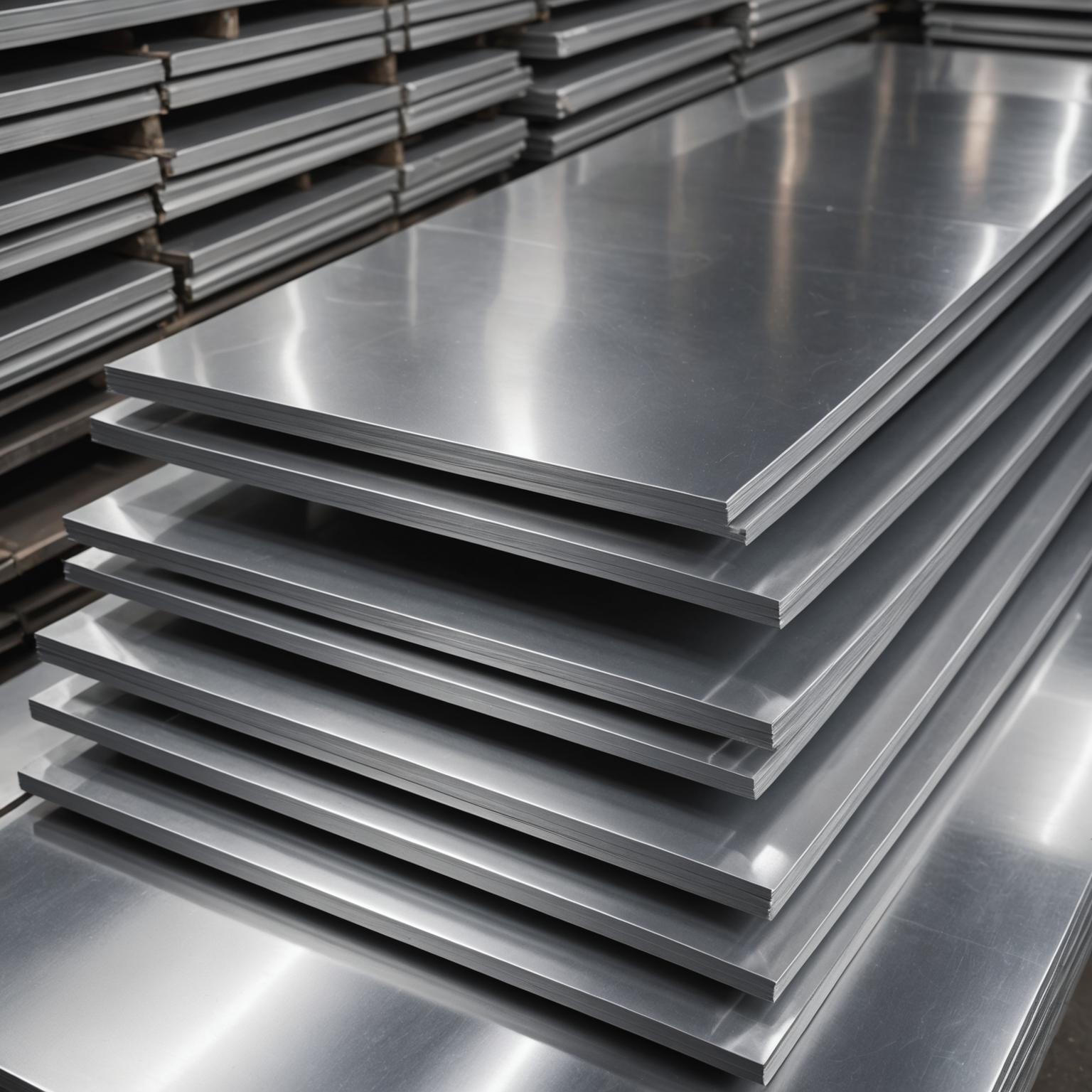
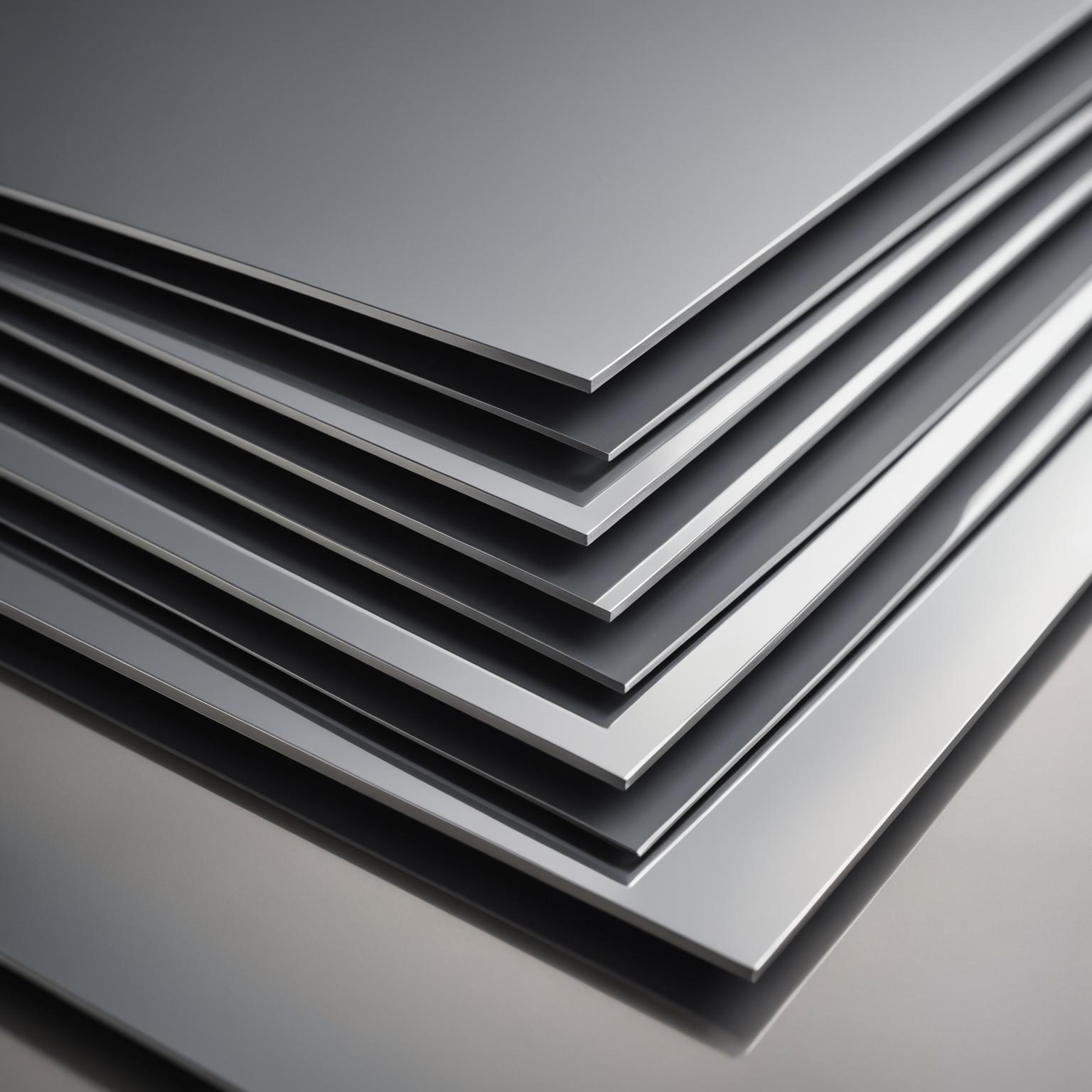
304 grade stainless steel plate, especially the 30mm high-quality finish varieties, reflect industrial innovation. Their unrivalled structural integrity and exquisite mirrored surface ensure durability and modernity are combined. However, to make an informed decision for a particular application, it is necessary to understand the differences, advantages and limitations of 304 and 430 stainless steel grades.
Grade 304 stainless steel: Advantages and applications
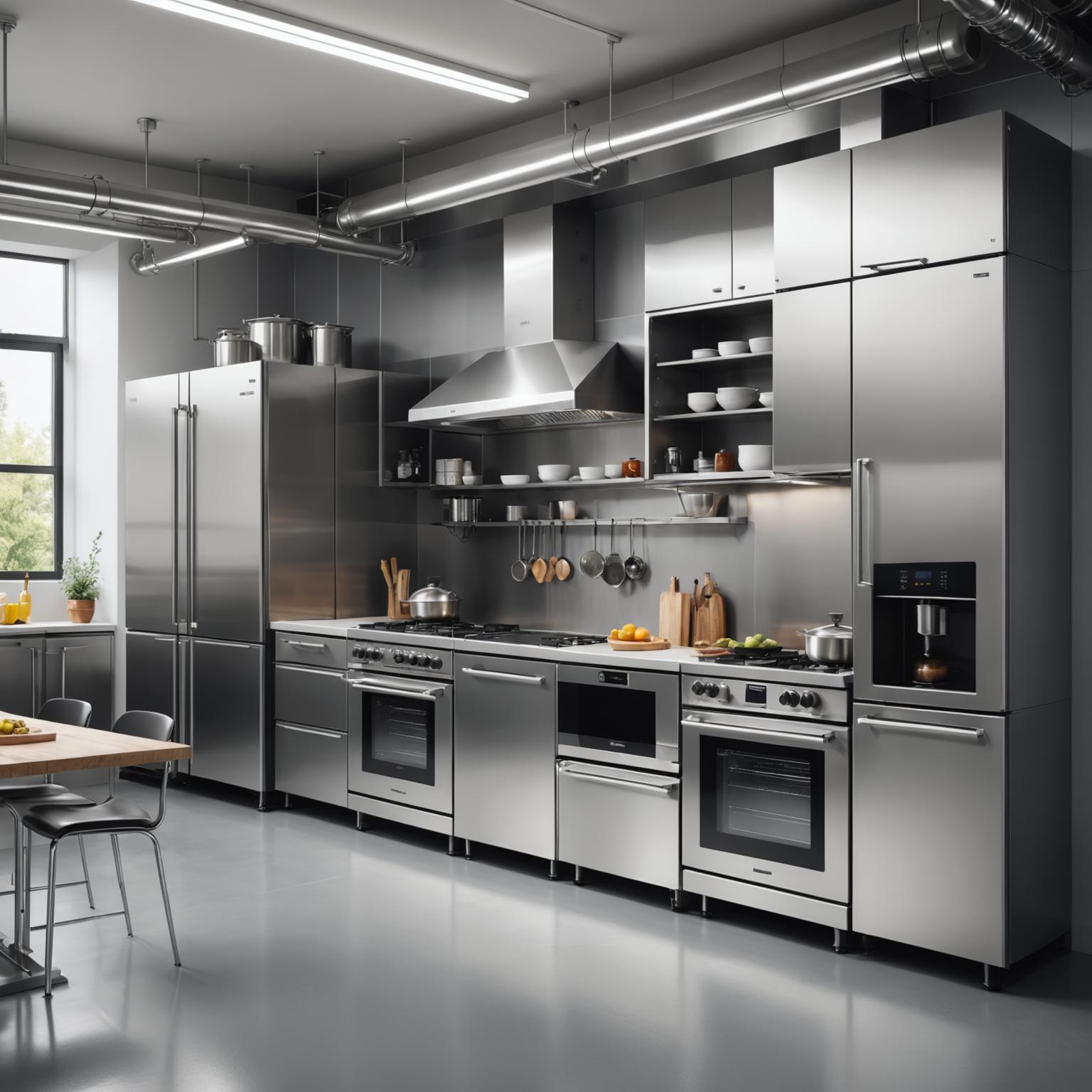
Because of its universal utility, grade 304 stainless steel is often called the "main worker" of stainless steel. The material is known worldwide for many key features, including its advantageous corrosion resistance, high tensile strength and ease of manufacture. With its smooth and reflective surfaces, Level 304 is beneficial for environments requiring high hygiene standards such as kitchens and medical facilities.
The 30mm premium finish variant of the 304 grade stainless steel plate further takes this versatility a step further. High thicknesses can enhance structural robustness, making it ideal for demanding applications such as heavy-duty mechanical components, building facades and complex designs. Its resistance to scratching and wear ensures that the material maintains its aesthetic appeal and functional reliability even in harsh conditions.
In addition, Grade 304 provides excellent solderability and machining, which simplifies manufacturing processes in various industries. This stainless steel is also environmentally friendly and 100% recyclable. For projects that emphasize sustainability and performance, grade 304 stainless steel plates are still the best choice.
Grade 430 stainless steel: a cost-effective alternative
While Grade 304 is the gold standard for many applications, Grade 430 stainless steel is an economically viable alternative when extreme corrosion resistance is not an urgent task. The main difference is the chromium content. The chromium level 430 is less than the 304 level, reducing its resistance to certain corrosive elements, but still makes it very useful for non-attack environments.
The 430 grade has excellent oxidation resistance and provides a bright finish that is well in line with decorative and aesthetic uses. It is often used in interior design, kitchen utensils and other consumer products and automotive decor components. Furthermore, it provides sufficient strength and processability to allow flexibility to be used.
Given its low cost, Level 430 is often used in applications where price sensitivity is critical and the demand for corrosion is less stringent. For example, household appliances and lightweight equipment can benefit from this material without incurring the higher costs associated with grade 304 stainless steel.
Compare 304 and 430: Which one to choose?
The decision between grades 304 and 430 depends heavily on the specific needs of the application. Let's break this comparison:
1. **Corrosion Resistance**:
- Grade 304 stainless steel performs excellently in environments exposed to moisture, brine or chemicals due to its high chromium and nickel content.
- Grade 430 is suitable for smaller hostile conditions and is suitable for indoor or relatively dry environments.
2. **Durability and Strength**:
- 30mm premium finish 304 grade stainless steel plate ensures maximum strength, making it ideal for demanding industrial or construction projects.
- Grade 430 has poor stability but still provides reliable performance for lightweight uses.
3. **Cost Efficiency**:
- Grade 430 stainless steel is a cost-effective option for applications that do not require high corrosion and extreme durability.
- Although the price is higher, Grade 304 proves its expense with unparalleled reliability and versatility.
4. **Aesthetic Appeal**:
- Both grades offer stylish finishes, but the mirrored surface in Grade 304 minimizes scratches and improves hygiene, making it more suitable for high visibility applications.
- Grade 430's bright finish is perfect for decorative purposes, but may not retain its appearance in harsh conditions.
The best scenario to use level 430 replacement
The problem of "applicable scenarios for 430 stainless steel plate replacement 304" is often found in cost-sensitive projects or applications of grade 304 superiority. Examples of these scenarios include:
- **Interior Design**: Level 430 is suitable for fixtures, furniture and decorative panels, with minimal exposure to corrosion elements in the interior.
- **Consumer Products**: Items such as kitchen utensils, stoves and equipment housings benefit from the aesthetic appeal and affordable costs of Grade 430.
- **Auto Decoration**: For parts such as appearance or structural functions, level 430 is often used.
- **Lightweight Manufacturing**: The machinery and tools used in low pressure environments can be effectively constructed using grade 430 materials.
While these conditions demonstrate the versatility of the 430 level, it is important to ensure that the conditions of use are consistent with the limitations of corrosion and strength.
Conclusion: Balanced Performance and Economics
Grade 304 stainless steel remains the first choice for industries that require top-notch performance, durability and appearance. For projects requiring excellent corrosion resistance, heavy load features and sophisticated design, 30mm premium finish 304 grade stainless steel plates deliver unparalleled results.
On the other hand, Grade 430 stainless steel is a cost-effective use case, and its elasticity and corrosion resistance are sufficient. By understanding the strengths and limitations of these two grades, professionals can make informed decisions to balance performance with budgetary constraints.
Ultimately, whether choosing a prestigious Grade 304 or an economical Grade 430, stainless steel continues to symbolize innovation, reliability and sustainability, helping to achieve remarkable results while meeting the various challenges of modern applications.