

When embarking on a new construction, industrial, or even a home improvement project, selecting the right materials is paramount to ensuring longevity, safety, and performance. In the world of piping, the debate over 304 vs 316 stainless steel pipe is a common one, leaving many engineers, builders, and fabricators wondering which is better for your project. The answer isn't always straightforward, as the ideal choice depends heavily on the specific application, environmental conditions, and budget. This guide will walk you through the properties, differences, and ideal use cases for each grade to help you make an informed and cost-effective decision.
Understanding Grade 304 Stainless Steel
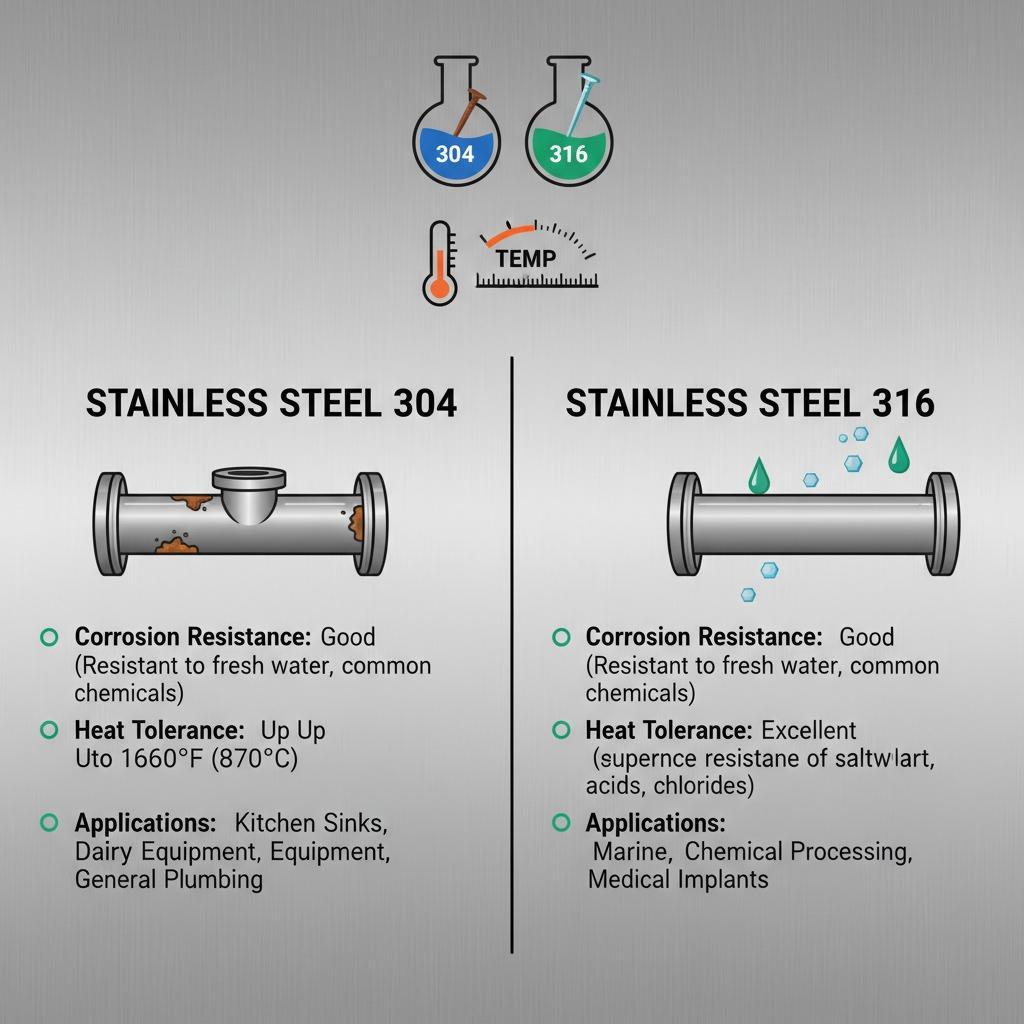
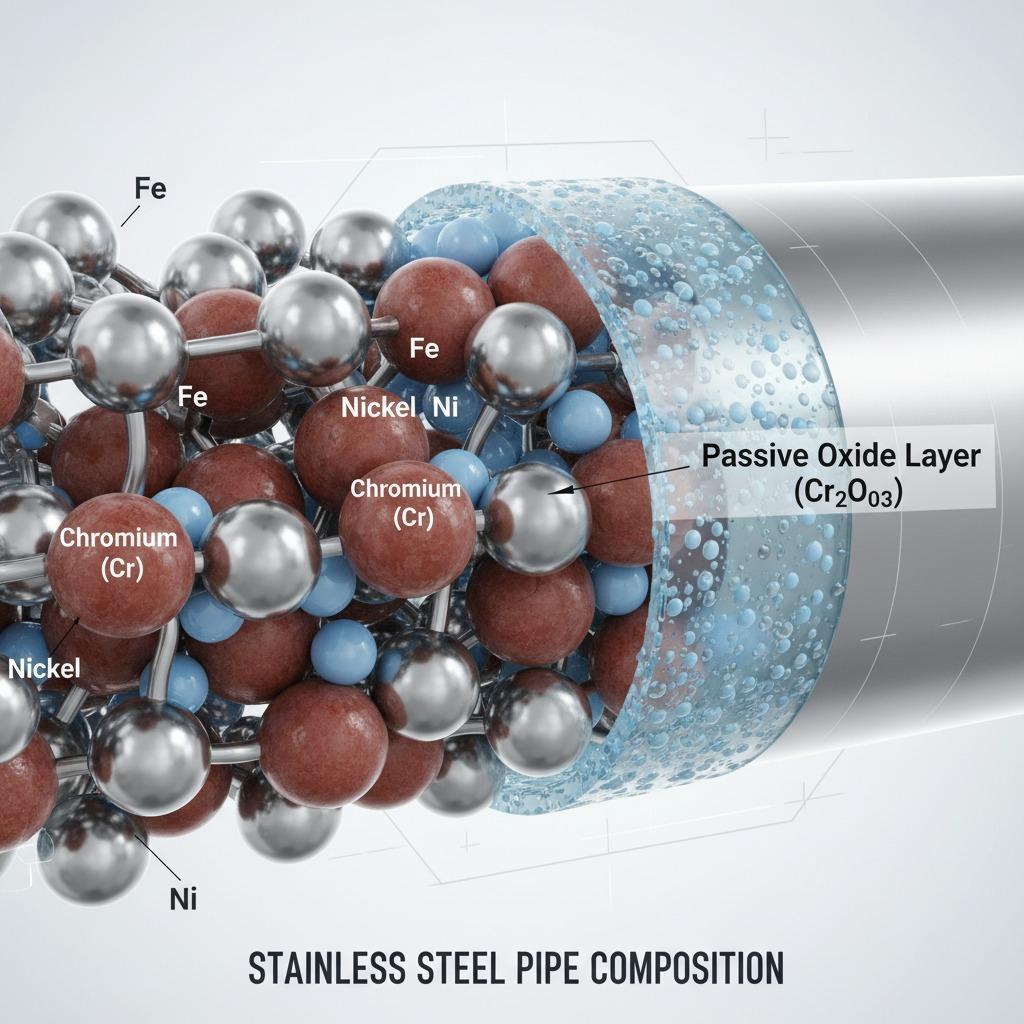
Grade 304 is the most widely used stainless steel in the world, often referred to as 18/8 due to its chemical composition, which typically includes 18% chromium and 8% nickel. This composition gives 304 stainless steel its signature properties. Its primary advantage is excellent corrosion resistance in a wide range of atmospheric environments and against many corrosive media. It is also celebrated for its outstanding formability and weldability, making it easy to fabricate into complex shapes. Furthermore, its clean, hygienic surface makes it a staple in the food and beverage industry. Common applications for 304 stainless steel pipes include architectural elements like handrails and paneling, kitchen equipment, sinks, automotive trim, and storage tanks for various liquids. For projects where the pipe will not be exposed to high chloride concentrations or aggressive chemical agents, 304 often provides the perfect balance of performance and affordability.
Understanding Grade 316 Stainless Steel
Grade 316 stainless steel is the second most common grade and is often considered a step up from 304 in terms of durability. The key difference in its chemical makeup is the addition of molybdenum, typically around 2-3%. This single element significantly enhances its corrosion resistance, especially against chlorides and other industrial solvents. This makes 316 the material of choice for more demanding environments. It is particularly effective at resisting pitting and crevice corrosion, which are common forms of degradation in saltwater or chloride-rich settings. Because of this superior resistance, 316 stainless steel pipes are frequently specified for marine applications, chemical processing equipment, medical and pharmaceutical manufacturing, wastewater treatment facilities, and any outdoor structure located in a coastal region. While it shares the excellent formability and weldability of 304, its enhanced properties come at a higher price point.
Key Differences: 304 vs 316 Stainless Steel Pipe
The primary distinction between these two alloys boils down to corrosion resistance and cost. The molybdenum in grade 316 provides a crucial defense against chloride ions, which can be found in seawater, de-icing salts, and even some industrial chemicals. In an environment containing chlorides, 304 stainless steel is susceptible to pitting corrosion, a localized form of corrosion that can lead to sudden and unexpected failure. Grade 316, however, withstands these conditions much more effectively. This enhanced protection makes it indispensable for certain applications. Naturally, this superior performance is reflected in the cost. The addition of molybdenum, and sometimes a higher nickel content, makes 316 stainless steel pipes more expensive than their 304 counterparts. Therefore, the decision often involves a careful cost-benefit analysis based on the project's specific environmental exposures.
Which is Better for Your Project? A Practical Guide
Making the final decision requires a clear assessment of the service environment of the pipe. Asking the right questions is key to determining which option is truly better for your project. Will the pipe be indoors or outdoors? Will it be exposed to saltwater, salt spray, or de-icing salts? Will it carry or be exposed to harsh chemicals or acids? What is the operating temperature? Answering these questions will point you toward the correct material.
Choose 304 stainless steel pipe when:
- The application is indoors or in a low-corrosion outdoor environment.
- Cost is a significant factor and the enhanced resistance of 316 is not required.
- The pipe will be used for architectural trim, food processing (away from high-salt products), brewery equipment, or general-purpose plumbing in a non-coastal area.
Choose 316 stainless steel pipe when:
- The application is in a marine or coastal environment.
- The pipe will be exposed to chlorides, acids, or other corrosive chemicals.
- The project demands maximum longevity and minimal maintenance in a harsh setting.
- Applications include boat railings, chemical transport, pharmaceutical equipment, laboratory benches, and any structure near a salted roadway or coastline.
Conclusion: Investing in the Right Material
Ultimately, the choice in the 304 vs 316 stainless steel pipe discussion is not about declaring one as universally superior. Instead, it is about selecting the most suitable and economical material for a specific purpose. Grade 304 offers fantastic, reliable performance for a vast number of applications and is a more budget-friendly option. Grade 316 provides an essential upgrade in corrosion resistance for more demanding, chloride-rich, and chemically aggressive environments, justifying its higher cost by ensuring structural integrity and a longer service life. By carefully evaluating the environmental conditions and performance requirements of your project, you can confidently select the right stainless steel pipe, ensuring your investment is durable, safe, and built to last.