

When embarking on a new project that requires stainless steel, one of the most common and critical decisions you'll face is the choice between different grades. The debate over 304 vs 316 Stainless Steel coil is a frequent topic among engineers, fabricators, and designers for good reason. Both are excellent materials, but their subtle differences in composition lead to significant variations in performance, particularly concerning corrosion resistance and cost. Making the right selection is not just a matter of preference; it is essential for ensuring the longevity, safety, and cost-effectiveness of your final product or structure.
Understanding 304 Stainless Steel: The Versatile Workhorse
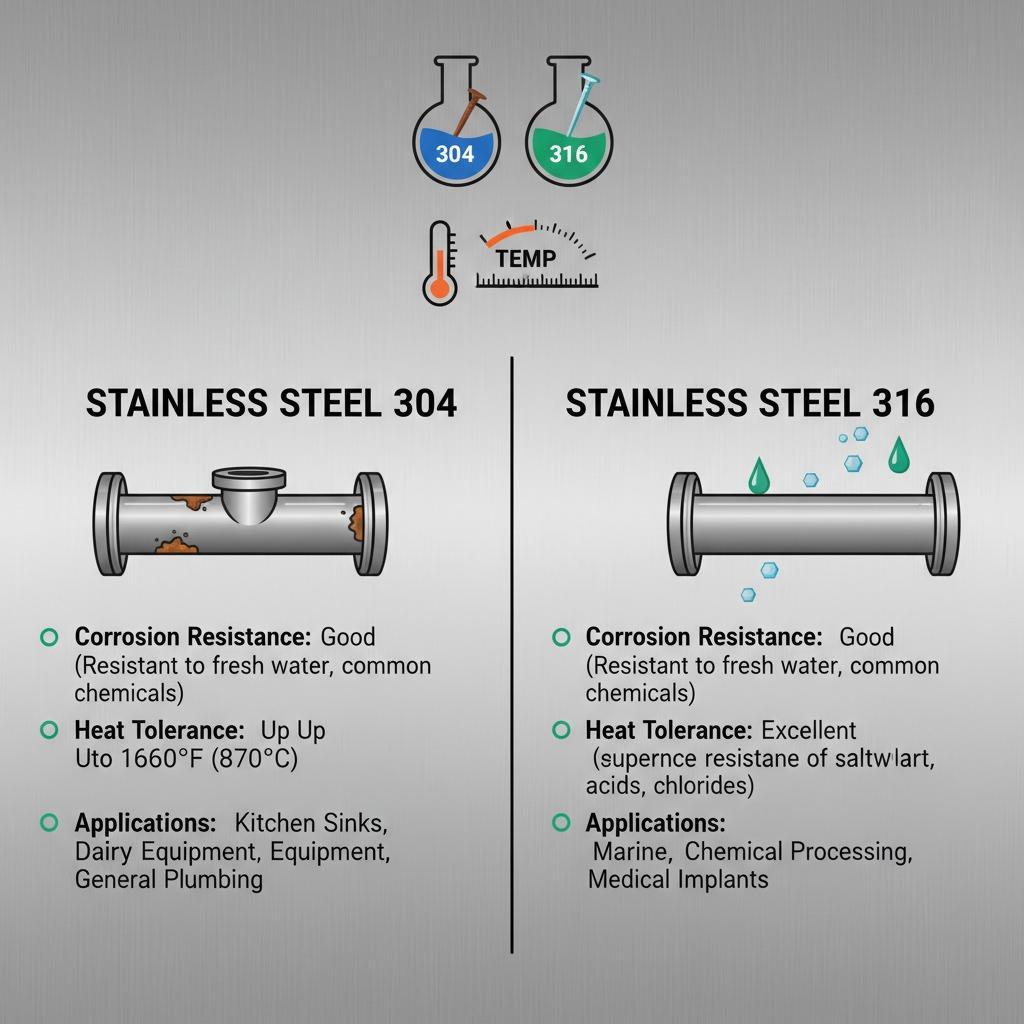
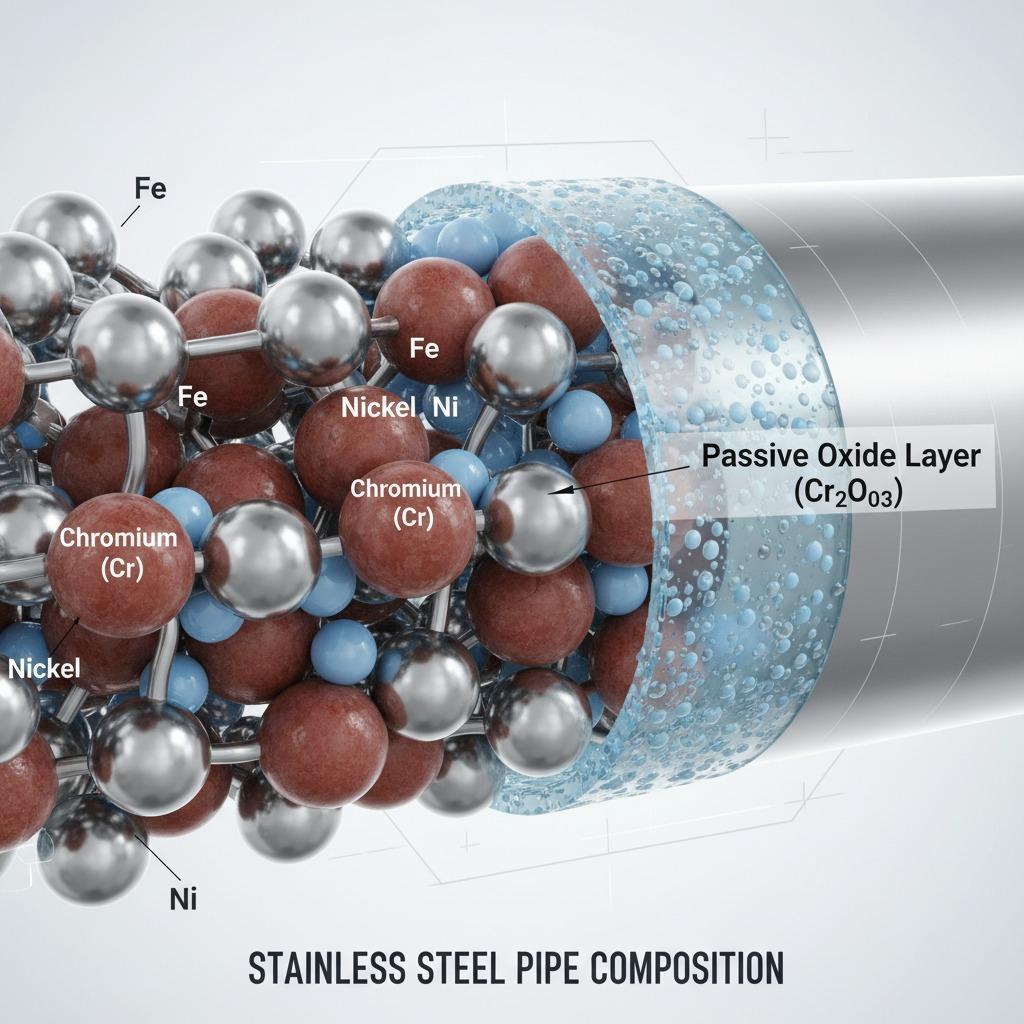
Grade 304 is the most widely used stainless steel in the world, often referred to as 18/8 due to its composition of approximately 18% chromium and 8% nickel. This composition gives 304 stainless steel its signature properties: excellent corrosion resistance in a wide range of atmospheric environments, outstanding formability, and superb weldability. It is a highly durable and versatile alloy that is relatively easy to clean and maintain. Because of its balance of performance and affordability, 304 stainless steel coils are a popular choice for an extensive array of applications. You can find it in kitchen sinks, cookware, food processing equipment, architectural paneling, storage tanks, and automotive trim. It performs exceptionally well indoors and in mild outdoor settings where it is not exposed to high levels of chlorides or saline.
Understanding 316 Stainless Steel: The Marine-Grade Protector
Grade 316 stainless steel is the second most common austenitic grade. Its chemical makeup is similar to 304, with a key addition: molybdenum. Typically, 316 stainless steel contains about 2-3% molybdenum, which dramatically enhances its resistance to corrosion, especially against chlorides and other industrial solvents. This addition makes it far superior to 304 in aggressive environments. For this reason, 316 is often called 'marine-grade' stainless steel. Its ability to resist pitting and crevice corrosion in saltwater and brine solutions makes it indispensable for marine applications. It is also the preferred material for chemical processing equipment, pharmaceutical manufacturing, medical implants, and architectural structures located in coastal areas or regions where de-icing salts are heavily used.
Key Differences: A Direct Comparison
The primary distinction in the 304 vs 316 Stainless Steel coil decision lies in corrosion resistance. The inclusion of molybdenum in grade 316 provides a significant advantage in resisting pitting and crevice corrosion, particularly from chloride ions found in seawater, de-icing salts, and certain industrial chemicals. While 304 offers good resistance to oxidation and common corrosive agents, it is susceptible to 'tea staining' and more severe corrosion when exposed to chloride-rich environments. Another major difference is cost. Due to the addition of molybdenum and often a higher nickel content, 316 stainless steel is generally more expensive than 304. While the initial investment is higher, the extended lifespan and reduced maintenance costs in harsh conditions can make 316 the more economical choice in the long run. In terms of mechanical properties, both grades are strong and ductile, but 316 often exhibits slightly better strength and creep resistance at elevated temperatures.
Which is Better for Your Project? A Practical Guide
Determining which is better for your project requires a careful evaluation of the application's environment and performance requirements. This choice is crucial for ensuring the durability and success of your investment. You don't want to overspend on 316 if 304 is sufficient, nor do you want to risk premature failure by using 304 in an environment that demands 316. Answering this question involves a simple environmental assessment.
Choose a 304 stainless steel coil if:
- The project is for an indoor application or a controlled environment.
- The outdoor environment is mild and has low pollution and no exposure to salt.
- Cost is a significant constraining factor, and the application does not demand superior corrosion resistance.
- The application includes kitchen equipment, food processing machinery (away from high salt content), decorative architectural features, or automotive headers.
Choose a 316 stainless steel coil if:
- The project will be exposed to saltwater, coastal air, or de-icing salts.
- The application involves contact with corrosive chemicals, acids, or industrial solvents.
- Superior corrosion resistance and long-term durability are the highest priorities, justifying a larger initial investment.
- The application is for marine hardware, boat fittings, chemical storage tanks, pharmaceutical equipment, or coastal architectural cladding.
Making the Final Decision
Ultimately, the discussion around 304 vs 316 Stainless Steel coil is about matching the right material to the right job. Both are high-quality, reliable alloys that serve as the backbone of countless industries. Grade 304 stands out as the cost-effective, all-purpose solution for a vast range of applications where conditions are not overly aggressive. In contrast, grade 316 provides an essential upgrade in performance for environments where corrosion is a serious threat. By thoroughly analyzing the specific environmental exposures and mechanical demands of your project, you can confidently select the stainless steel coil that will provide optimal performance, value, and longevity, ensuring your project stands the test of time.